Solarium Augusti, Monumental sundial in Campus Martius, Italy
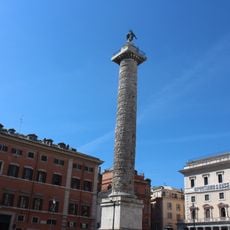
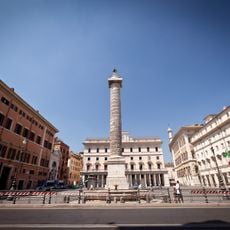
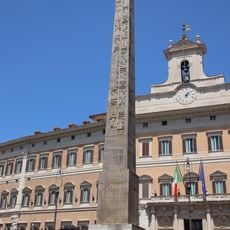
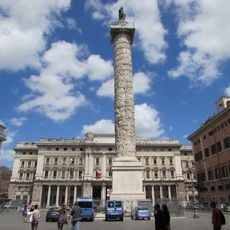
The Solarium Augusti was an enormous sundial in ancient Rome where an Egyptian obelisk served as the shadow-casting element, marking time and dates on a marble floor. The obelisk, standing about 21 meters tall, was the centerpiece of this astronomical installation and has defined this location for nearly 2000 years.
Augustus commissioned this structure around 10 BCE after bringing an Egyptian obelisk from Heliopolis to Rome following his conquest of Egypt. The work combined astronomical science with a display of imperial authority and became a symbol of Roman control over Egyptian territories.
The place once brought together ordinary timekeeping with imperial symbolism, allowing Romans to mark their days while experiencing the emperor's reach. This mixture of practical astronomy and power made it a special gathering point in the city's daily life.
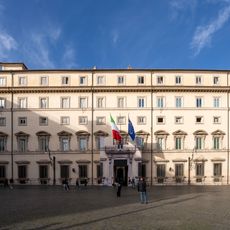
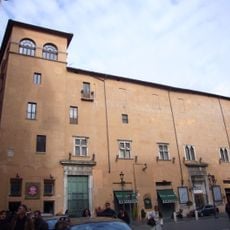
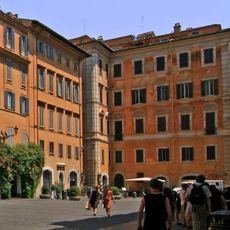
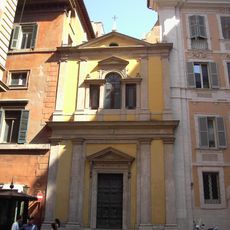
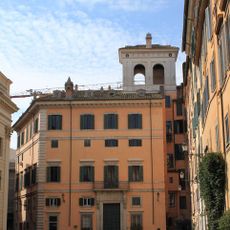
The obelisk now stands in front of the Italian Parliament building and can be viewed from outside, allowing visitors to see its dimensions and details from various angles. The location is in central Rome and easily accessible on foot, though visitors should know that the original ground surface is no longer preserved.
On specific dates each year, the obelisk's shadow fell in a straight line toward Augustus's Mausoleum, creating a hidden connection between two imperial structures. This precise alignment was not accidental but rather part of deliberate planning to manifest the emperor's authority through the built environment.
The community of curious travelers
AroundUs brings together thousands of curated places, local tips, and hidden gems, enriched daily by 90,790 contributors worldwide.