Palazzo San Macuto, Parliamentary palace in Via del Seminario, Rome, Italy
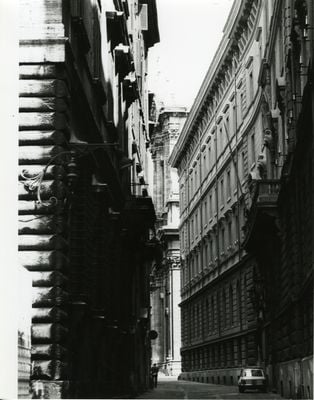
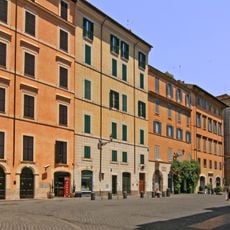
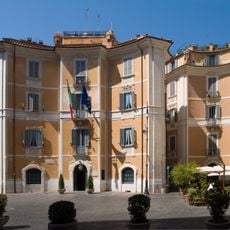
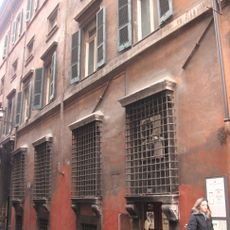
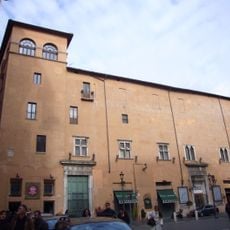
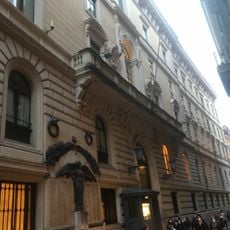
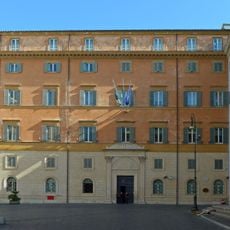
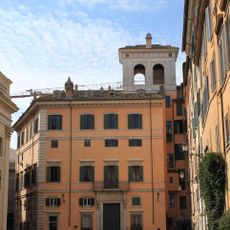
Palazzo San Macuto is a three-story palace building on Via del Seminario in Rome, featuring a grand travertine entrance portal and a Renaissance facade decorated with geometric patterns. The structure displays carefully crafted stone details typical of its architectural period.
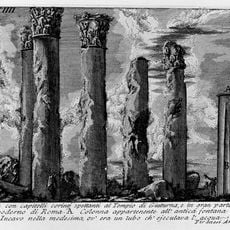
Built in 1641 by Paolo Maruscelli for Cardinal Antonio Barberini, protector of the Dominican order, the palace rose on the site of the old Dominican monastery of the Minerva, itself over the Temple of Minerva and the Temple of Isis and Serapis. A century later it housed the Congregation of the Holy Office and the Inquisition; on 22 June 1633 Galileo Galilei abjured his theses here. From 1889 it held the Ministry of Posts and Telegraphs until its transfer to EUR in 1974, when it became a secondary seat of the Chamber of Deputies.
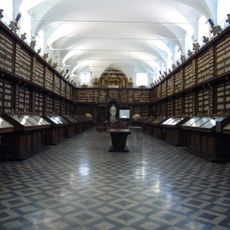
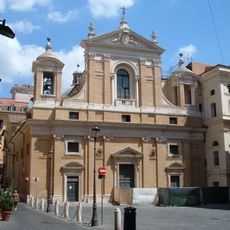
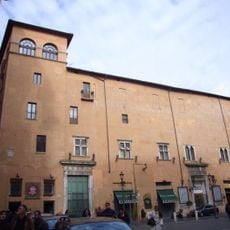
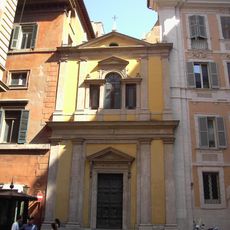
The palace takes its name from the adjoining church of San Macuto, and its facade on Piazza San Macuto most likely housed the prison of the Inquisition. Since 1974 it has been a secondary seat of the Chamber of Deputies, and its library opened to the public in December 1988.
The building is not open to the public, so visitors can only view the exterior facade from Via del Seminario and Piazza San Macuto. It remains a worthwhile stop for those exploring Rome's architecture from different periods.
The passage reopened with the Senate library building recreates the Insula Sapientiae, the "island of wisdom" formed by the Palazzo San Macuto, the Biblioteca del Senato and the Biblioteca Casanatense on Via di Sant'Ignazio. The link runs between buildings, not underground.
The community of curious travelers
AroundUs brings together thousands of curated places, local tips, and hidden gems, enriched daily by 92,790 contributors worldwide.