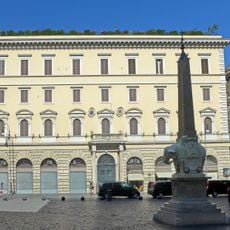
Palus Caprae, Ancient marsh in Campo Marte, Rome, Italy
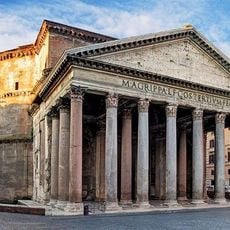
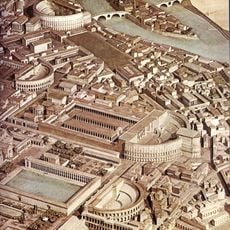
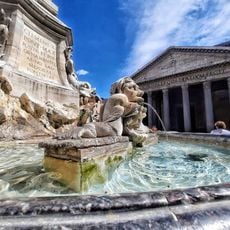
Palus Caprae was a small marsh basin located where the Pantheon stands today, fed by the Petronia stream in ancient Rome. This body of water extended through the lower Campus Martius toward the Tiber River.
This marsh arose from natural conditions in the Campus Martius and eventually vanished due to drainage projects under Emperor Augustus. This transformation fundamentally reshaped the landscape of central Rome.
The disappearance of Romulus at this marsh sparked the creation of the Caprotinia festival in ancient Roman religious life. This event left a lasting mark on how Romans understood their founder's divine transformation.
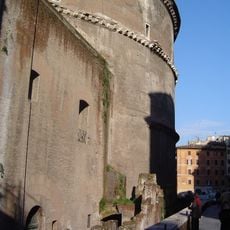
The marsh lay in the flat area of Campus Martius and was difficult to cross during wet seasons. Today there are no visible remains, but its location beneath and around the Pantheon is easy to grasp when visiting the area.
According to legend, the soldier Julius Proculus claimed that Romulus appeared to him at this location and announced his transformation into the god Quirinus. This vision shaped how Romans understood their founder's divine nature.
The community of curious travelers
AroundUs brings together thousands of curated places, local tips, and hidden gems, enriched daily by 91,249 contributors worldwide.