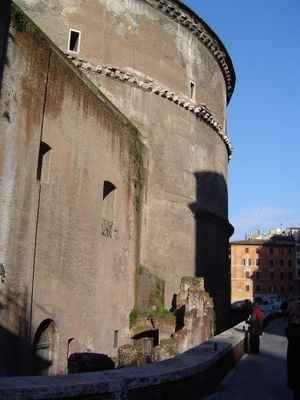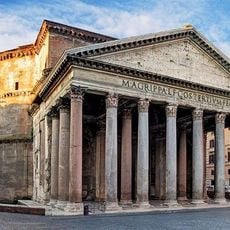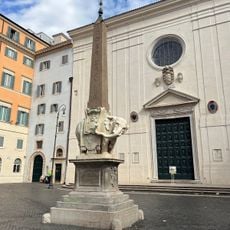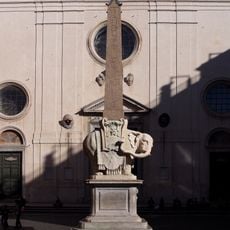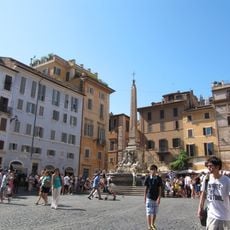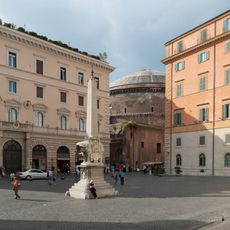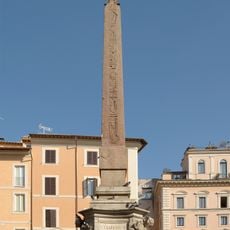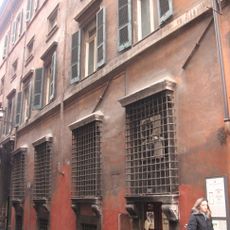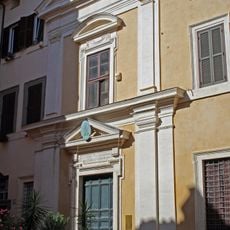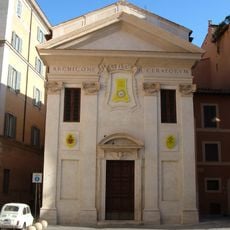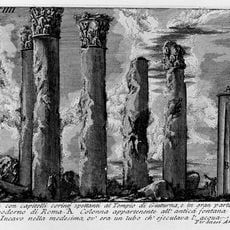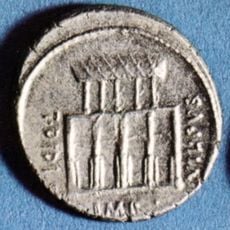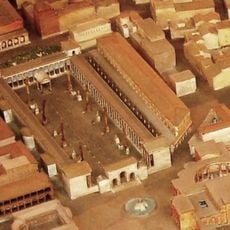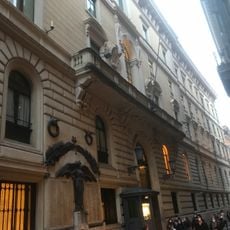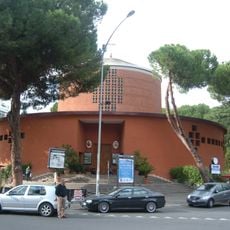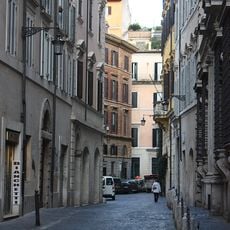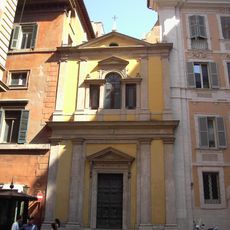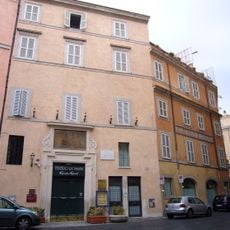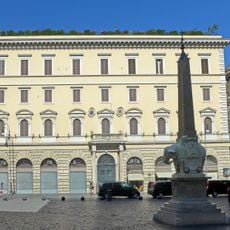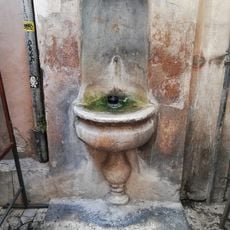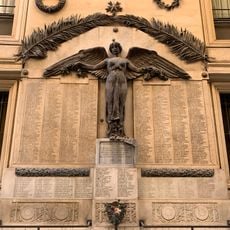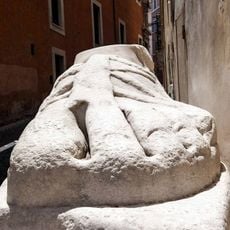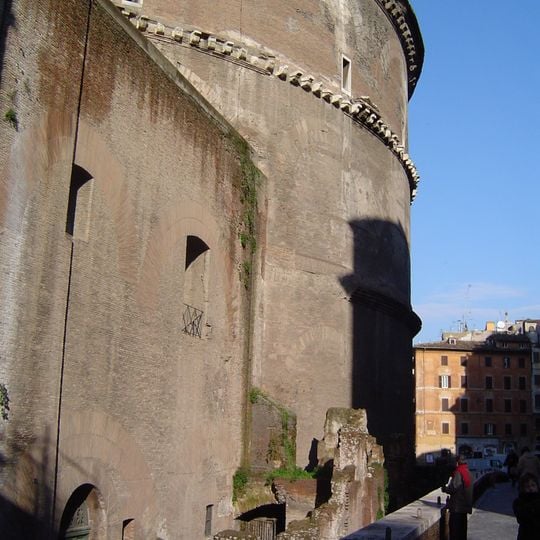
Saepta Julia, Archaeological site in Campus Martius, Rome, Italy.
Saepta Julia was a rectangular complex with marble walls and elaborate porticos, decorated with Greek paintings. The structure measured roughly 310 meters long and 120 meters wide, occupying a substantial area of the Campus Martius.
Julius Caesar began construction in 54 BC, but Marcus Vipsanius Agrippa completed and dedicated the project in 26 BC. After completion, it initially served as a voting precinct before being repurposed for gladiatorial games and other spectacles.
The two porticos bore the names of Meleager and the Argonauts, displaying valuable artworks from ancient times. Visitors walking through could admire the wall paintings and sculptures that decorated the building.
The building stood directly adjacent to the Diribitorium, where election results from assembly votes were managed. This close proximity allowed the voting process to operate smoothly.
After its completion as a voting center, the complex was later transformed into an event venue where Emperor Augustus hosted gladiatorial games. Emperor Caligula later used the space for reenacted naval battles with flooded basins.
The community of curious travelers
AroundUs brings together thousands of curated places, local tips, and hidden gems, enriched daily by 91,257 contributors worldwide.