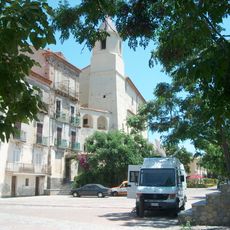
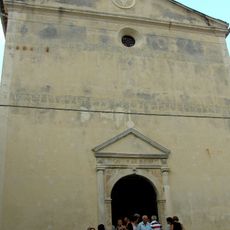
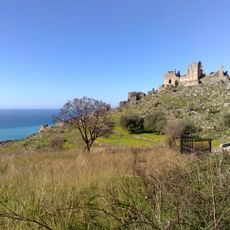
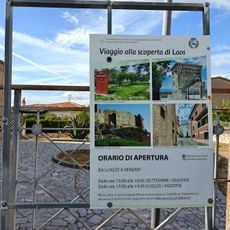
Laüs, Ancient polis in Santa Maria del Cedro, Italy.
Laüs is an archaeological complex of an ancient city on the Tyrrhenian coast with remains from Greek and Roman periods spanning across the terrain. The site reveals grid-pattern streets, domestic structures, and public buildings that help visitors understand the urban layout and daily activities of its inhabitants.
The city was founded around 510 BCE by survivors from destroyed Sybaris after their original home was attacked by Croton forces. The settlement flourished for centuries before eventually coming under Roman control, which brought new construction and organization to the site.
The necropolis displays burials with red-figured pottery and bronze objects that reflect the skill of craftspeople who lived here in the fourth century BCE. These finds allow visitors to understand the everyday life and prosperity of the ancient community.
The site is open terrain that requires sturdy footwear due to uneven ground and vegetation covering the ancient remains. It helps to bring a guide or informational material to better understand the different areas and their original purposes as you walk through.
Excavations in the southeastern area have uncovered evidence of ceramic production workshops, showing that residents engaged in manufacturing rather than just consuming goods. These workshop remains suggest the settlement functioned as a craft center that likely exported its products to other regions.
The community of curious travelers
AroundUs brings together thousands of curated places, local tips, and hidden gems, enriched daily by 91,181 contributors worldwide.