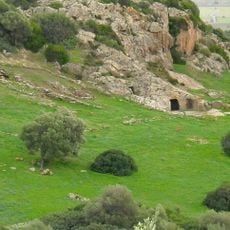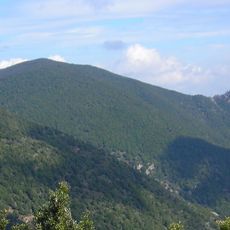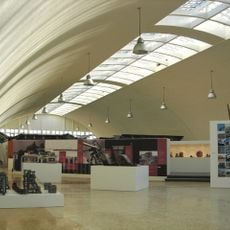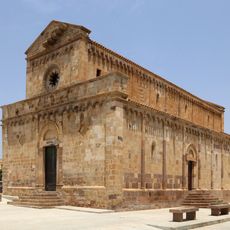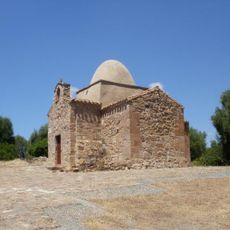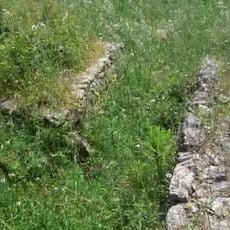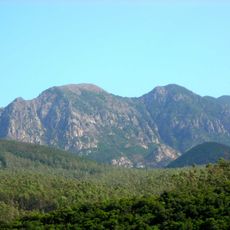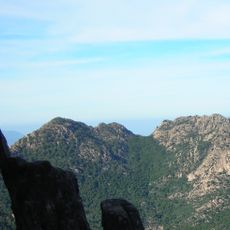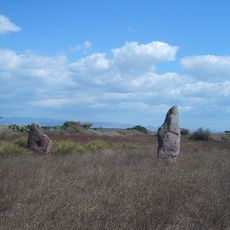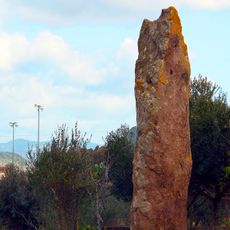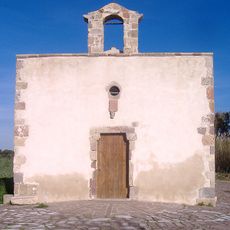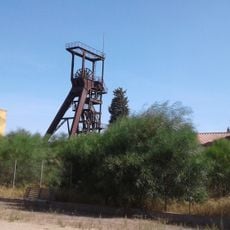
Pani Loriga, Archaeological site in Santadi, Italy.
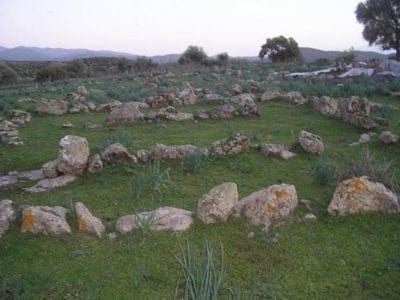
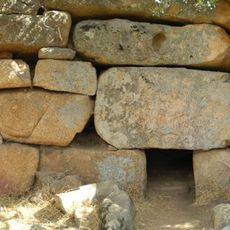
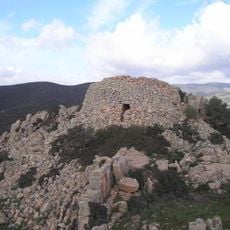
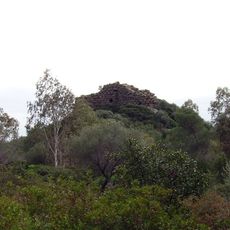
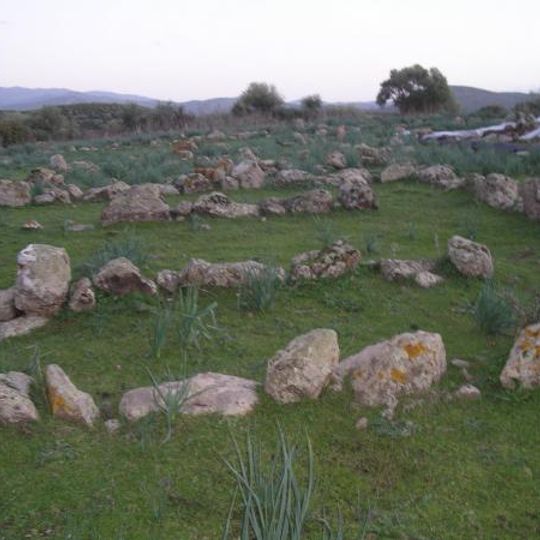
Pani Loriga is an archaeological park on a hilltop containing Phoenician residences, multiple ancient burial grounds, and the remains of Nuraghe Diana in the northern section. The site reveals layers of occupation and use spanning many centuries.
The settlement began in the 7th century BCE and grew into a major urban center during the Punic period, declining by the 3rd century BCE. It experienced distinct phases of economic activity before finally losing importance.
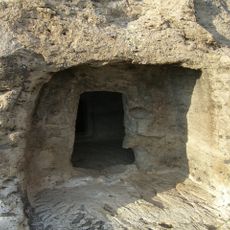
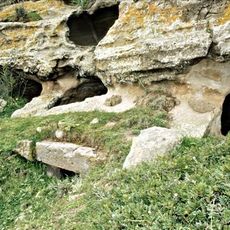
The burial areas reveal different ways people honored their dead across time: early rock-cut tombs, simple pit graves dug by Phoenicians, and later chambers carved deep into stone by Punic communities.
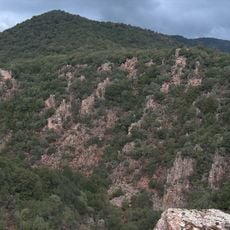
Plan to visit with a guide or use the available audio guide, since there are few information signs throughout the site. Early morning visits work best to avoid heat and get better views across the terrain.
The site stands out because no later Roman settlement covers the Phoenician and Punic layers, preserving the original cultural layers intact. This absence of later occupation makes it unusually valuable for understanding how ancient Mediterranean communities lived without modern disturbance.
The community of curious travelers
AroundUs brings together thousands of curated places, local tips, and hidden gems, enriched daily by 92,023 contributors worldwide.