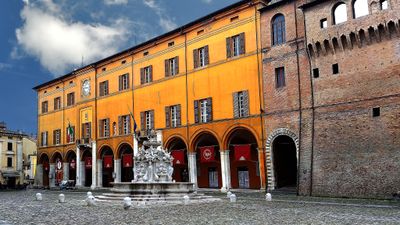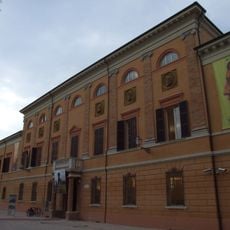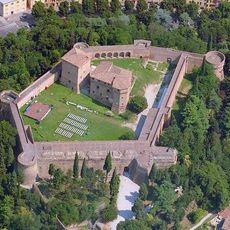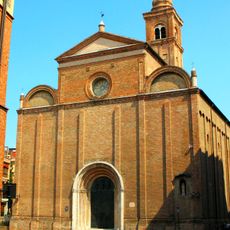
Palazzo Comunale, Town hall in Cesena, Italy
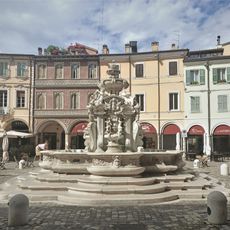
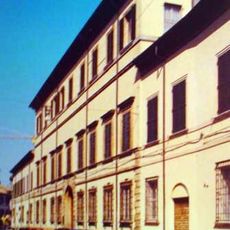
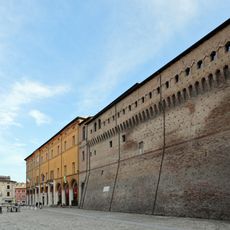
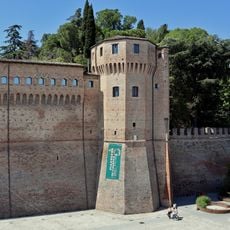
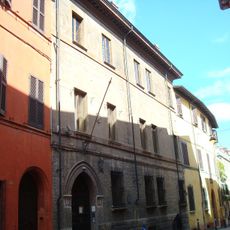
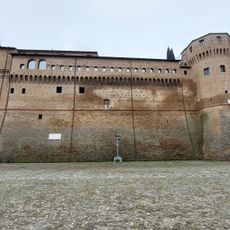
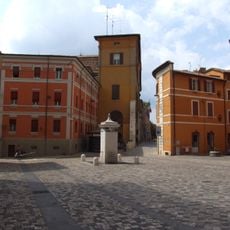
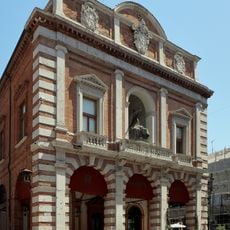
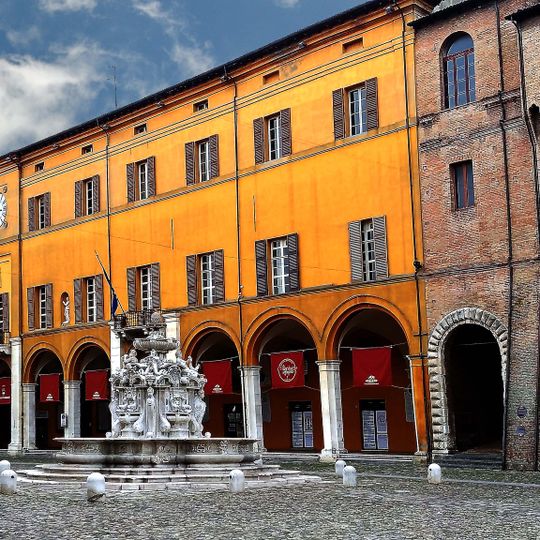
Palazzo Comunale occupies a prominent position on Piazza del Popolo and merges what were originally two separate medieval structures into one unified building. It displays a neoclassical facade with a central portico and features a clock tower that rises above the surrounding roofline.
Cardinal Gil Alvarez Carrillo de Albornoz initiated construction in 1359 to unite two earlier palaces into a single coherent structure. This merger established the building as Cesena's principal administrative hub for centuries to come.
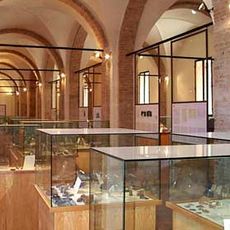
The interior rooms like the Hall of Mirrors feature 18th-century frescoes that still convey how affluent residents decorated their spaces during that era. The painted walls and period furnishings show the tastes and living standards of the time.
The building is freely visible from the outside and can be viewed from Piazza del Popolo at any time, with the facade and tower visible from multiple angles. Interior access depends on administrative schedules, so visitors should check ahead if they wish to explore the halls and frescoes inside.
The building once contained three original doorways that connected directly to the city walls, forming what was known as the Matteo Nuti Path. This hidden passage linking the palace to the fortifications eventually closed off in the late 18th century and is no longer visible to visitors.
The community of curious travelers
AroundUs brings together thousands of curated places, local tips, and hidden gems, enriched daily by 92,023 contributors worldwide.