Tomb of the Reliefs, Etruscan tomb in Cerveteri, Italy.
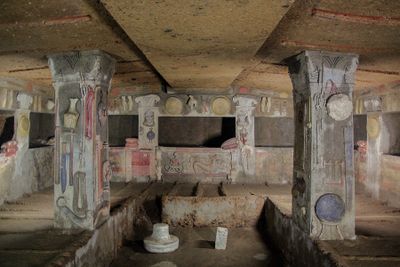
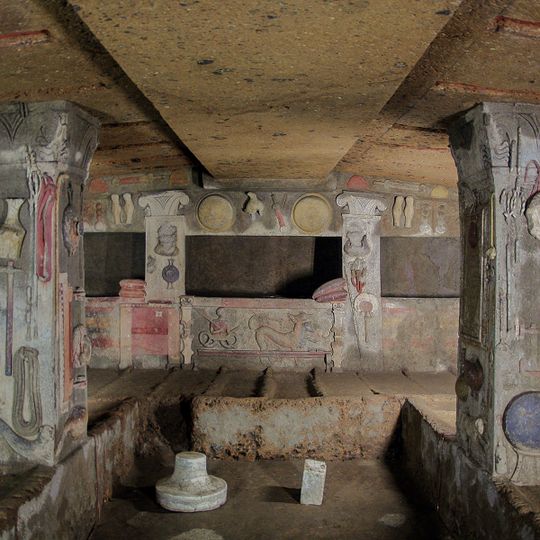
The Tomb of the Reliefs is a rectangular underground chamber, 7.7 m long, 6.5 m wide and 2.6 m high, carved to resemble the interior of an Etruscan house. Two square pillars with painted capitals frame a rear wall divided by a central pillar. Twelve oblong niches, modeled as beds with stucco pillows, line the walls above a raised platform divided into 32 burial spaces; a sunken pit lies in the floor.
This underground tomb was discovered in 1847 within the Banditaccia Necropolis and belonged to the wealthy Matunas family during the fourth century before Christ. The structure demonstrates how elite Etruscans honored and cared for their deceased.
The walls feature carved reliefs showing weapons, household objects, and mythological creatures that reveal how the Etruscan people lived and what they believed. These images provide a window into their daily world and spiritual ideas.
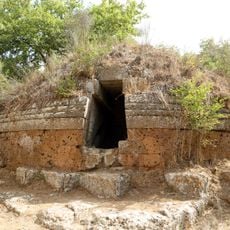
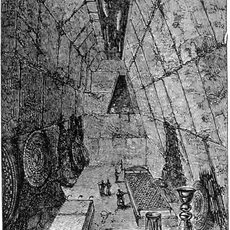
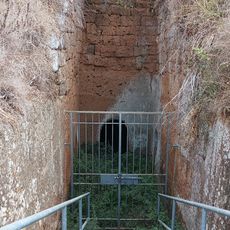
Access is through a steeply descending stepped dromos, not a level corridor, so watch your footing on the way down. The chamber measures 7.7 by 6.5 metres and stands 2.6 metres high; the central niche in the rear wall is cut deeper than the others to hold a couple side by side.
The central niche on the rear wall is deeper than the others, allowing the Matuna couple to be buried side by side. Below it, stucco reliefs show the underworld demon Kerberos and a figure with a fish tail holding a rudder and a serpent.
The community of curious travelers
AroundUs brings together thousands of curated places, local tips, and hidden gems, enriched daily by 94,405 contributors worldwide.