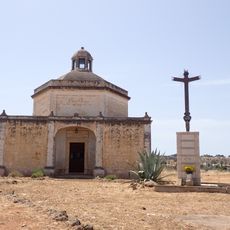
Madonna della Coltura, Minor basilica and shrine in Parabita, Italy
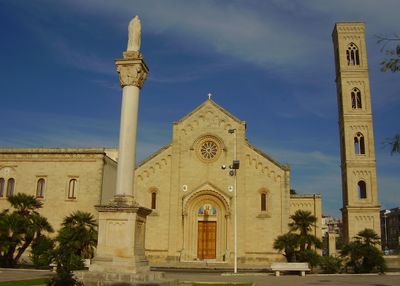
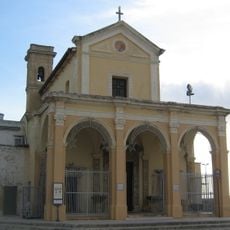
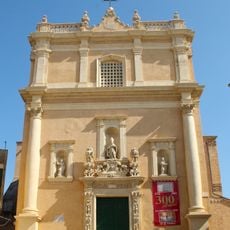
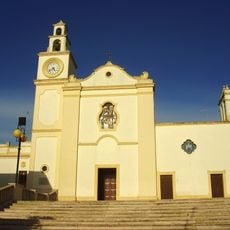
Madonna della Coltura is a Gothic Revival shrine in Parabita featuring three naves separated by pointed arches that descend from the original 14th-century chapel structure. At its center stands an ancient monolith decorated with frescoes of the Virgin and Child, forming the spiritual core of the site.
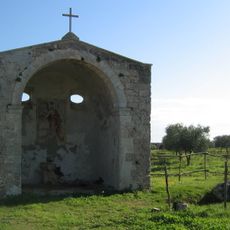
A chapel from the 14th century marked the site's origin but underwent multiple changes before the 20th century arrived. In 1913, architect Napoleone Pagliarulo designed the current Gothic Revival structure that gave the sacred stone a new architectural home.
The name "della Coltura" shortens Madonna dell'Agricoltura, and one explanation traces it to cullura, the dialect word for bread, with the Cuddura being a decorated Easter bread with an egg. The Madonna is thus seen as protector of the fields and of bread, and of the survival of the local people.
The shrine stands a few metres from the site of the old chapel demolished in 1912. The five-storey bell tower, finished in 1976, rises beside the whole building. The side chapels were completed in 1980: the right one holds a marble baldachin, the left an altar with a Christ statue carved by Tomagnini.
The venerated image is a Byzantine fresco of the Virgin and Child from the 11th–12th century, painted on a stone slab. In the 17th century it was hidden behind a carparo limestone arch for about three and a half centuries, and it reappeared intact when the unsafe chapel was demolished in April 1912. The name Coltura shortens Madonna dell'Agricoltura, and cutura may come from cullura, the dialect word for the Easter bread cuddura.
The community of curious travelers
AroundUs brings together thousands of curated places, local tips, and hidden gems, enriched daily by 93,359 contributors worldwide.