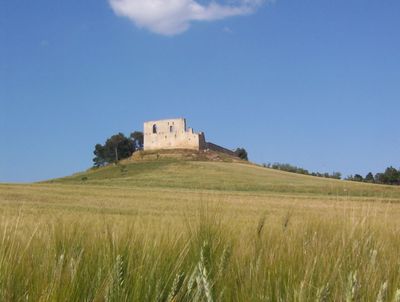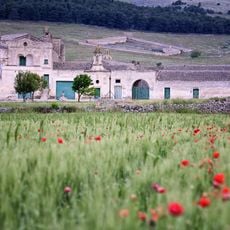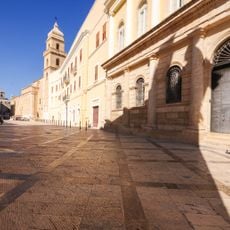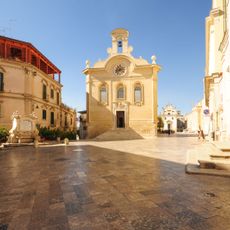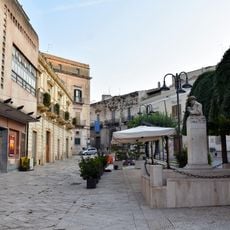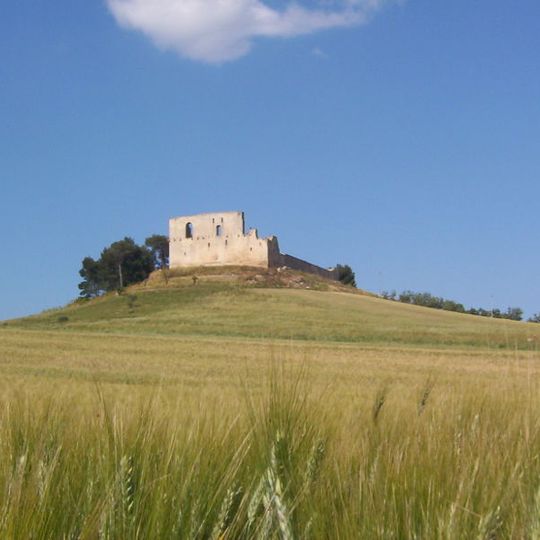
Castello di Gravina, Hohenstaufen castle in Gravina in Puglia, Italy
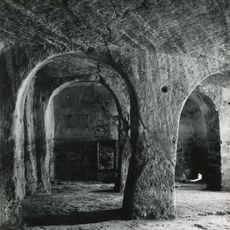
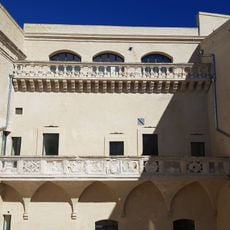
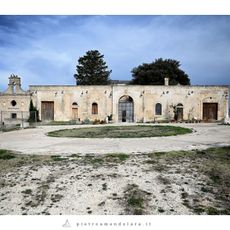
Castello di Gravina is a rectangular fortress built by the Hohenstaufen dynasty in southern Apulia with four corner towers and walls of dressed stone. The structure preserves underground chambers and ground-floor rooms that once functioned as stables, kitchens, storage facilities, and dining spaces.
Emperor Frederick II commissioned its construction between 1223 and 1231 as a hunting lodge and administrative center for his court. The fortress was part of his broader effort to consolidate power across southern Italy through strategically positioned strongholds.
The castle reflects the medieval imperial passion for hunting with trained birds and the elaborate courtly traditions surrounding this pursuit. Spaces within the fortress were specifically arranged to support these hunting practices, revealing much about how rulers of that time lived.
A large courtyard serves as the main entry point and leads to various ground-floor chambers with different purposes that are relatively easy to navigate. The surviving structures allow visitors to envision how daily life functioned within this fortified residence.
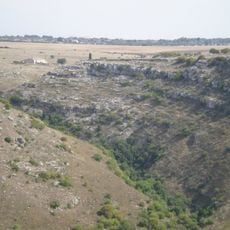
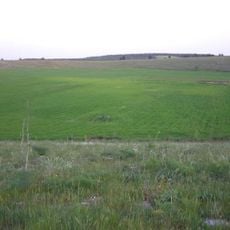
From the upper-floor windows, views reach across to distant mountains and the rolling Murge plateau that stretches across the surrounding landscape. These vantage points reveal how the fortress location was selected to monitor the region below.
The community of curious travelers
AroundUs brings together thousands of curated places, local tips, and hidden gems, enriched daily by 91,655 contributors worldwide.