Centro storico di San Salvo, Historical district in San Salvo, Italy.
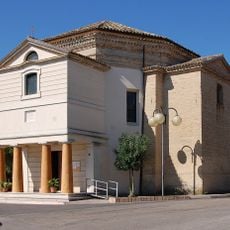
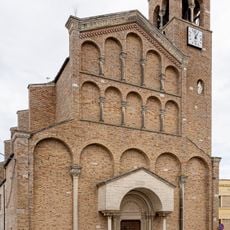
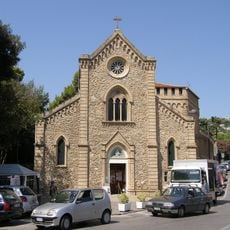
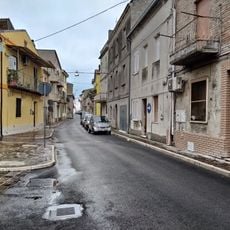
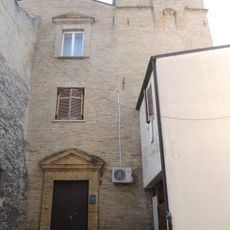
The historic center of San Salvo is an old town district with narrow streets lined with traditional buildings, centered around Piazza San Vitale and the parish church of San Giuseppe. The street layout follows a medieval pattern and offers views of how the town developed over centuries.
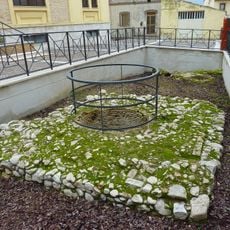
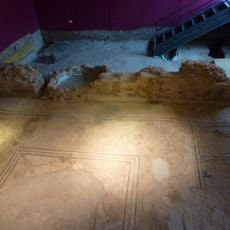
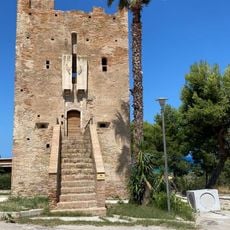
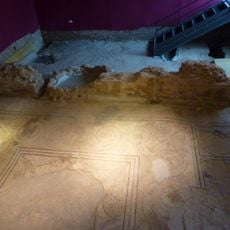
The area of the Quadrilatero, corresponding to today's historic centre, was a Roman town and trading emporium near the Adriatic, as shown by a Roman cistern by Piazza San Vitale and an aqueduct at Fonte Vecchia. From the 9th to the 11th century a Benedictine monastery, later Cistercian, stood over the Roman settlement of Cluvia. Its perimeter walls were gradually replaced by houses, leaving only the Porta della Terra, demolished in 1968 and rebuilt in 1997.
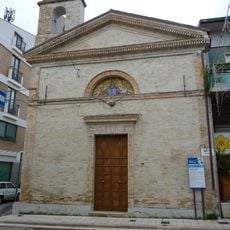
The name San Salvo comes from the abbey of San Salvo del Trigno, whose church now corresponds to the parish of San Giuseppe on Piazza San Vitale. The Cistercian monks of San Vito del Trigno, French monks settled near the river from 1257, introduced new farming techniques to reclaim the marshy land around the town.
The old centre is entered from Corso Umberto I through Porta della Terra, rebuilt in modern form in 2002; the perimeter runs along Corso Umberto I, Via Fontana, Via Orientale and Via Martiri d'Ungheria, with Piazza San Vitale as the main open space. The Roman cistern lies near Piazza San Vitale and the Roman aqueduct near Fonte Vecchia, so the two are seen on foot at opposite ends of the district.
The perimeter of the old monastic enclosure, the Quadrilatero, still runs along Corso Umberto I, Via Fontana, Via Orientale and Via Martiri d'Ungheria, with Piazza San Vitale as its main open space. The Porta della Terra entrance on Corso Umberto I was demolished in 1968 and rebuilt in modern forms in 2002.
The community of curious travelers
AroundUs brings together thousands of curated places, local tips, and hidden gems, enriched daily by 92,801 contributors worldwide.