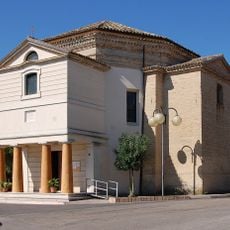
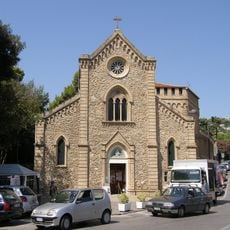
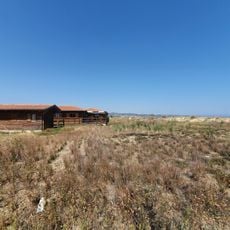
Histonium, Archaeological site in Vasto, Italy.
Histonium is an archaeological site in Vasto with remains from Roman times, including baths, a theater, and granite columns. The visible ruins include part of the amphitheater's elliptical perimeter, incorporated into the cellars of Vasto Castle and the walls on the eastern side of Piazza Rossetti, as well as the Santa Chiara cisterns in opus signinum on Via Cavour.
Histonium was a city of the Frentani, an Italic people on the Adriatic coast. After the Roman conquest of 305 BC it gained public buildings, and in 91 BC its people joined the Italic confederation seeking municipal status. The Liber Coloniarum mentions a Roman colony supposedly under Julius Caesar, but inscriptions show it was a municipium, not a colony. It was devastated by Sulla, rebuilt, and assigned to the regio of Samnium in AD 117.
The site preserves inscriptions and sculptures that show how Romans lived and worked here. These objects reveal details about crafts, religion, and everyday life in ancient times.
Visitors should expect uneven ground and exposed foundations, especially in older excavation areas. Wearing comfortable shoes is advisable, and caution is needed if weather conditions are poor.
The granite and marble columns came from distant quarries, showing this coastal city had strong trade links. These stone imports reveal economic connections stretching to far regions around the Mediterranean.
The community of curious travelers
AroundUs brings together thousands of curated places, local tips, and hidden gems, enriched daily by 94,587 contributors worldwide.