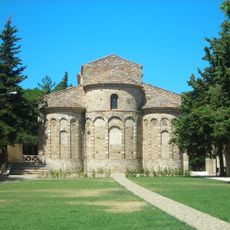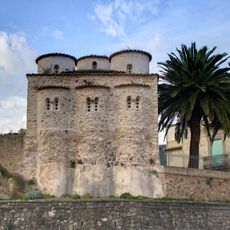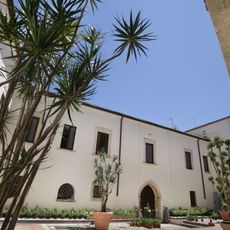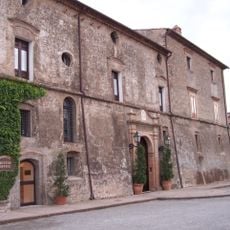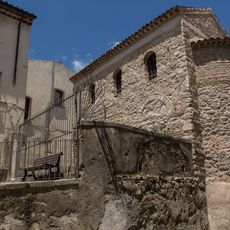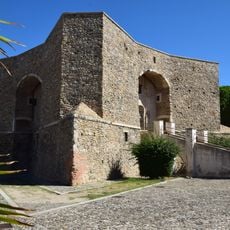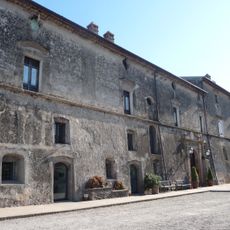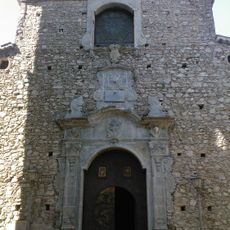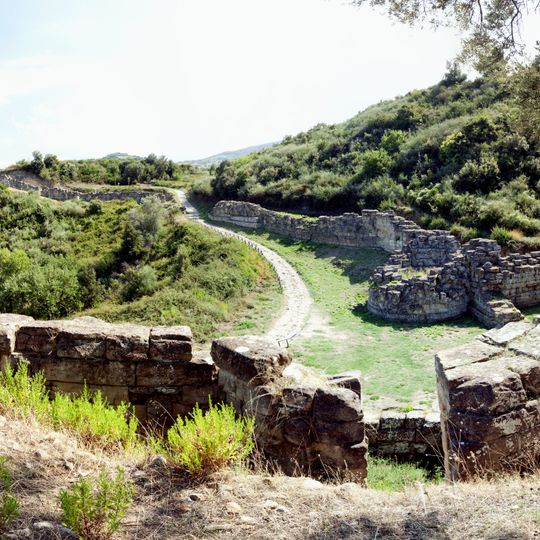
Castiglione di Paludi, Archaeological site in Paludi, Italy.
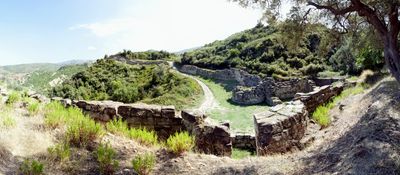
Castiglione di Paludi is an archaeological site set on a hilltop roughly 8 kilometers from the Ionian Sea, featuring stone walls, circular towers, and a theater carved into the rock. The ruins display both residential quarters and fortification structures spanning different periods.
The site shows two main settlement phases: first a necropolis from the 9th-8th century BCE, then a fortified center from the 4th-3rd century BCE. This sequence reflects significant shifts in how the community organized itself over time.
Ceramic votive offerings found outside the main gate suggest this was a sacred space where residents made religious dedications. These rituals reveal the spiritual concerns that mattered to the people living here.
The site was reopened in 2016 following restoration work and is open to visitors walking through residential areas and defensive structures. Plan your visit for cooler months, as the hilltop location offers little shade.
Inscriptions in the Oscan language found on roof tiles indicate this was a Bruttian settlement, possibly the ancient city of Cossa. These written traces allow archaeologists to piece together who lived here and what the place was called.
The community of curious travelers
AroundUs brings together thousands of curated places, local tips, and hidden gems, enriched daily by 92,118 contributors worldwide.