Sila National Park, National park in Calabria, Italy
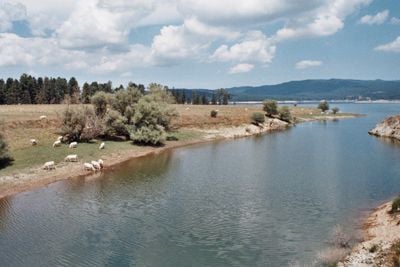
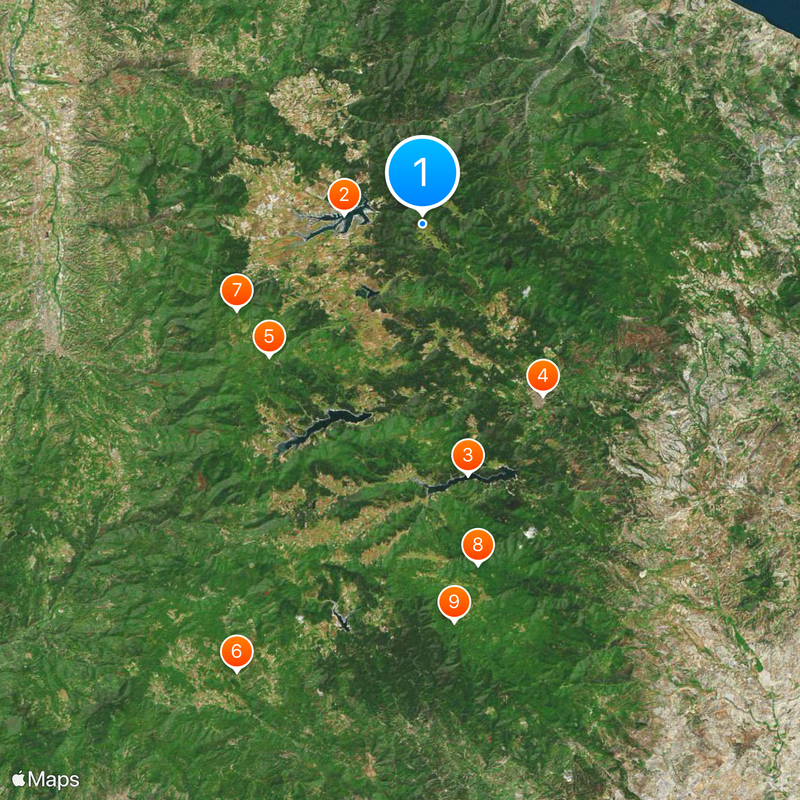
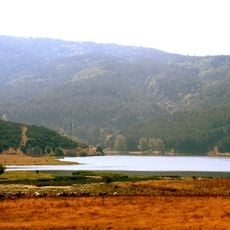
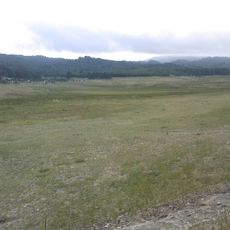
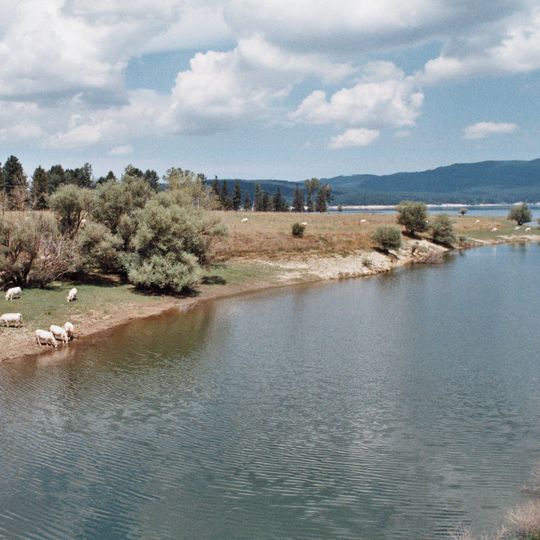
Sila National Park is a protected area in Calabria spanning the provinces of Cosenza, Catanzaro, and Crotone, covering more than 73,000 hectares. The terrain alternates between broad plateaus, forested slopes, and several lakes fed by rivers.
A national park was first proposed in 1923, when a bill by Antonino Anile failed to pass. After decades of deforestation and disputes over boundaries, the park was created by law in 1997 and given its own management body by presidential decree of 14 November 2002. Its territory includes areas formerly part of the Calabria National Park of 1968.
The park's emblem is the wolf, a species persecuted for centuries and removed from Italy's list of harmful animals only in 1971. Pastoral life continues on the ridges, where transhumance and alpine grazing persist, and farms grow the Sila potato, awarded IGP status.
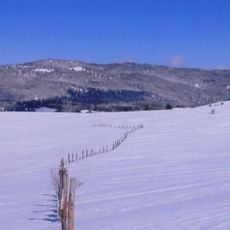
The terrain is suitable for walking and cycling on marked trails that pass through forests and along lakes. In winter, skiing is possible in Lorica and Camigliatello, while in summer the higher areas remain cooler than the coastal regions.
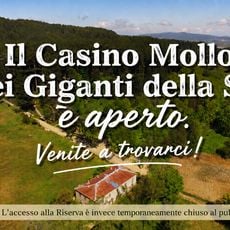
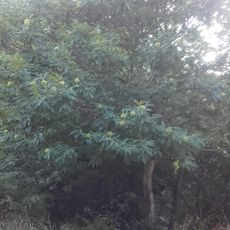
The Fossiata and Gallopane forests near Lake Cecita are home to ancient Laricio pines, some over 350 years old and reaching heights of 45 meters (148 feet). These trees are locally called Giants of Sila and rank among the tallest in southern Italy.
The community of curious travelers
AroundUs brings together thousands of curated places, local tips, and hidden gems, enriched daily by 94,670 contributors worldwide.