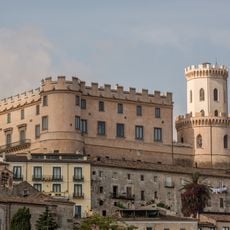
Castello di Acri, Castle ruin in Acri, Italy
Castello di Acri is a medieval fortress in the Calabrian town of Acri, of which the most significant surviving element is a standing tower. The structure sits on elevated ground surrounded by thick defensive walls that reach up to four meters in thickness at their base.
Archaeological finds show the site was occupied from the Stone Age through the Bronze Age, long before the medieval fortress was built. Later occupants including ancient peoples modified and reused the location, layering their own additions onto earlier structures.
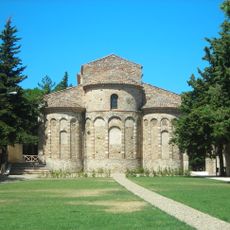
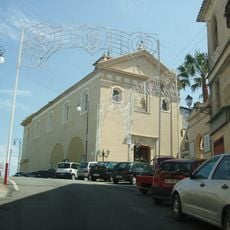
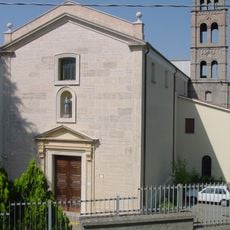
The name "Rocca dei Bruzii" links the site to the Bruttii, and the medieval name "Castel Vetere" means "very old". The church of Santa Nicola ante ad Castillum, once inside the walls and now just outside, is dated to the 10th–11th century. The poet Vincenzo Julia (1838–1894) wrote a poem, "Al Castello di Acri", addressed to the castle's medieval walls.
The ruins sit on an elevated position with open access to explore the grounds. The site offers broad views across the surrounding landscape, making visits on clear days more rewarding for seeing the distant territories from the hilltop.
The cistern north of the surviving tower was about six metres high and twenty metres wide, and it remained visible until the early 20th century. In 1999, coins of Greek origin were found in the castle walls, including issues of Sybaris, Thurii and a single one of Croton, now held by the Soprintendenza Archeologica della Sibaritide.
The community of curious travelers
AroundUs brings together thousands of curated places, local tips, and hidden gems, enriched daily by 94,159 contributors worldwide.