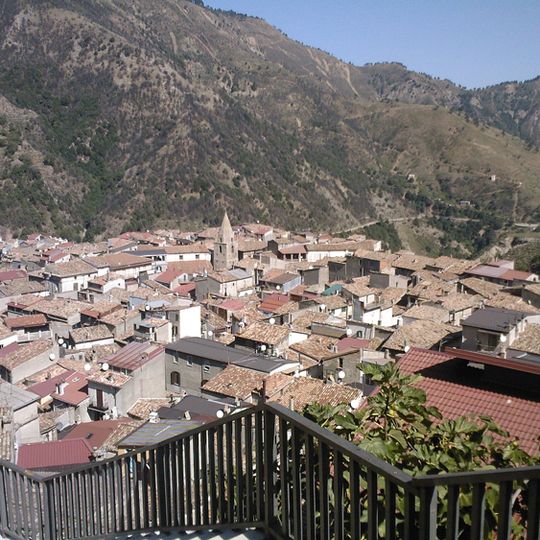
Longobucco, Italian comune
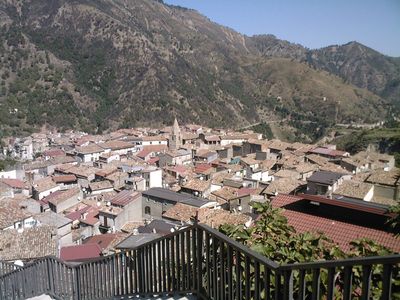
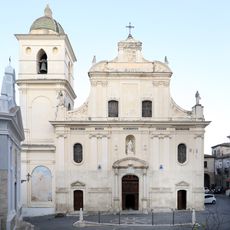
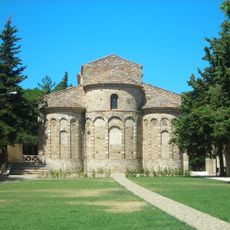
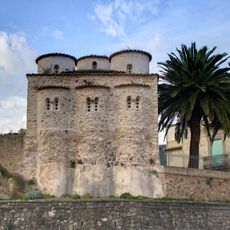
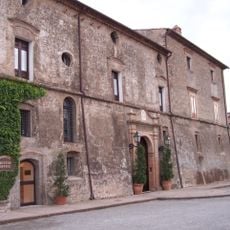
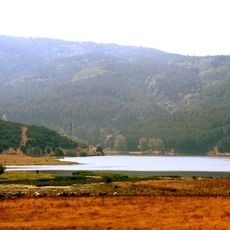
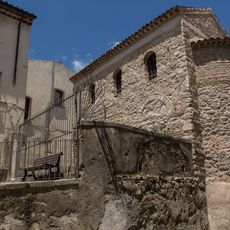
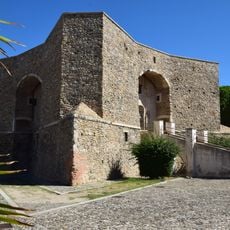
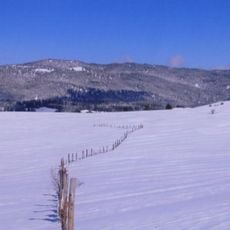
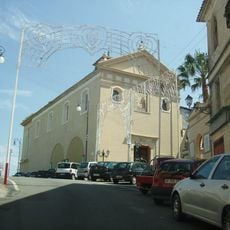
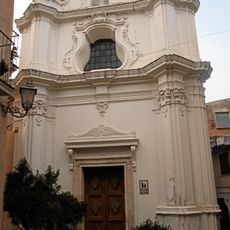
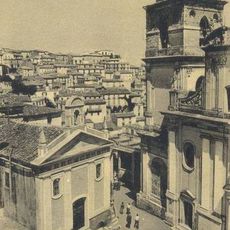
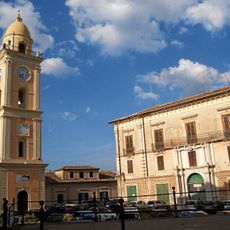
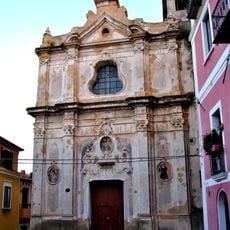
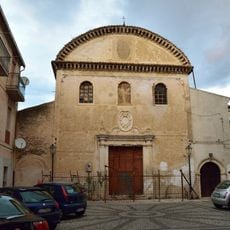
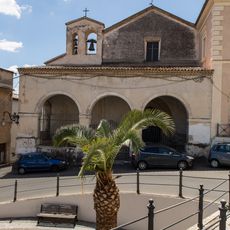
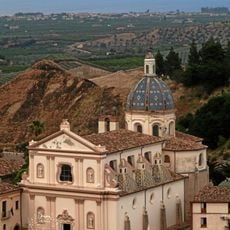
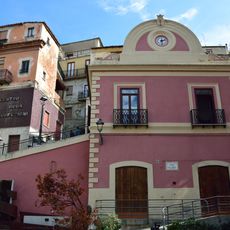
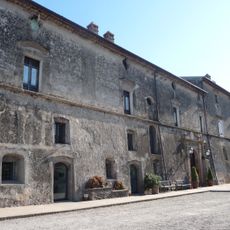
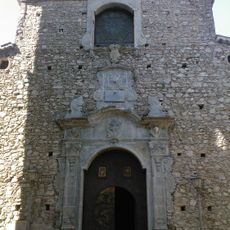
Longobucco is a small commune in the Calabrian mountains within Sila National Park, surrounded by forests and natural beauty. The town features narrow streets, old stone buildings, and several historic churches including the 12th-century Santa Maria Assunta, notable for its carved stone facade and the adjacent bell tower that rises prominently above the town.
Longobucco was founded in the Middle Ages and takes its name from the Lombards who settled in the region. From the 12th to 16th centuries, the town was known for silver mining, but earthquakes eventually closed the mines, after which the economy shifted to traditional crafts like weaving.
The name Longobucco comes from the Lombards, a Germanic people who settled in medieval Italy. Weaving remains central to daily life, with artisans still crafting fabrics on traditional wooden looms using patterns and techniques passed down for centuries. These textiles reflect the community's dedication to preserving its craft heritage.
Wear comfortable hiking shoes since the town sits on hilly terrain with steep, narrow streets. Spring and autumn offer the best weather for walking through town and exploring the nearby park trails without heat or cold extremes.
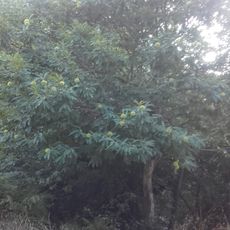
A giant larch tree called Pino Laricio near the town reaches about 100 feet (30 meters) tall with a trunk circumference exceeding 33 feet (10 meters), serving as a symbol of the region's rich forest heritage. Its twisted root system reveals a long history adapting to the mountain terrain.
The community of curious travelers
AroundUs brings together thousands of curated places, local tips, and hidden gems, enriched daily by 91,596 contributors worldwide.