Catacomb of Santa Mustiola, Archaeological site in Italy
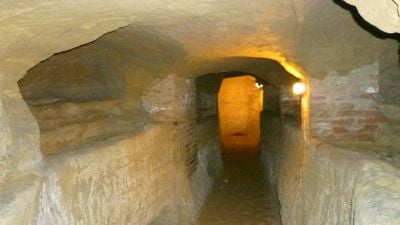
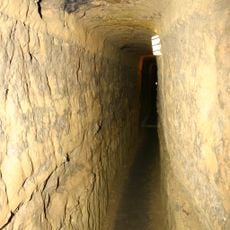
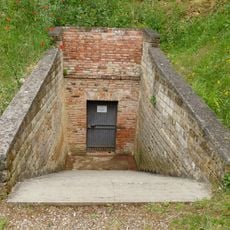
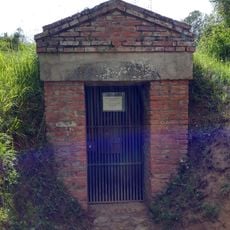
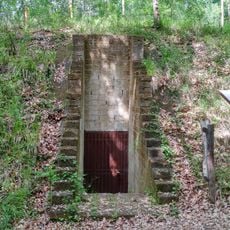
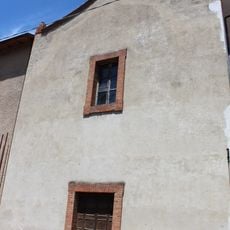
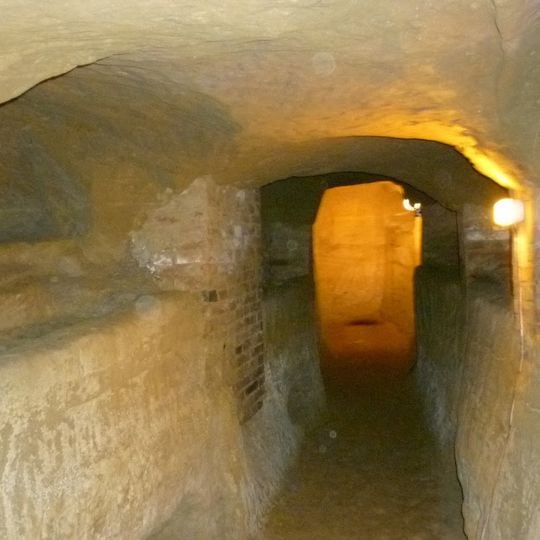
The Catacomb of Santa Mustiola is an underground necropolis from the third century with two main corridors and a small chapel known as a basilichetta. The walls are lined with burial chambers built as loculi and arcosolia, including a large polysomic arcosolium designed for multiple bodies.
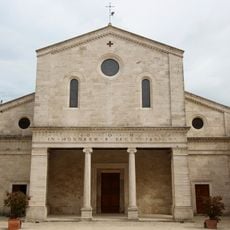
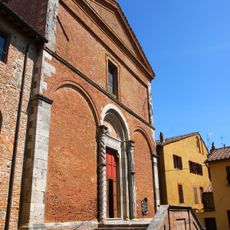
The catacomb was created in the third century as a burial site for the early Christian community and was rediscovered in the seventeenth century, possibly in 1634 or 1643, when Franciscan friars dug a well. Its importance grew when a basilica was built above the tomb in the fifth century and later rebuilt in 728 before being demolished in the nineteenth century.
The name Santa Mustiola refers to an early Christian martyr whose veneration is documented from the fourth century and shaped the local community. The walls bear Latin inscriptions and simple cross symbols that show how believers honored their dead and expressed their faith in these underground spaces.
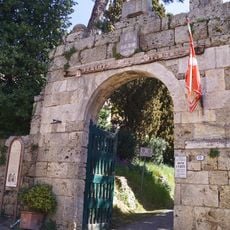
The site is located northeast of Chiusi along the road to Lake Chiusi and can only be visited by appointment. Opening hours change by season, with afternoon openings during warmer months and later morning openings during colder months, so check ahead before planning your visit.
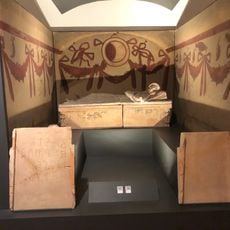
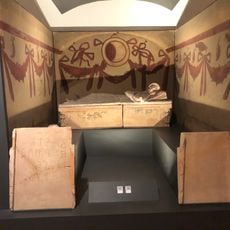
The tomb of Lucius Petronius Dexter, Chiusi's first bishop, bears an inscription by his children dated to 322 and sits in the crypt's central area near the altar. This personal inscription offers rare insight into the city's early Christian leaders and their family ties.
The community of curious travelers
AroundUs brings together thousands of curated places, local tips, and hidden gems, enriched daily by 60,000 contributors worldwide.