Cripta e museo di Sant'Anastasio, Archaeological museum in historic center, Asti, Italy
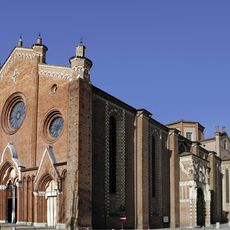
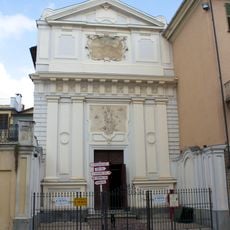
The Crypt and Museum of Sant'Anastasio displays the remains of a former Benedictine church with a three-aisle nave, cross vaults, and columns from different periods. The building houses stone elements and capitals that span from the 7th to 16th century, revealing multiple construction phases over time.
The Benedictine nunnery of Sant'Anastasio likely began during the Lombard period and was documented from 1008 until its closure in 1802. Archaeological digs show that people lived and built at this location continuously from Roman times onward.
The name recalls Saint Anastasius of Sergiopolis, the Persian martyr whose cult spread through the Lombard kingdom; in the 13th century it merged with the memory of an early bishop of Asti also named Anastasio. The museum keeps 12th-century sandstone capitals from the second Romanesque church, carved in Genoese and Milanese style, plus capitals and corbels from the demolished Gothic church of the Maddalena.
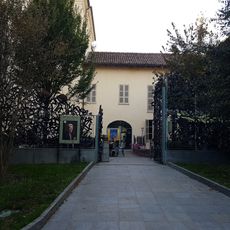
Access is arranged through the nearby Palazzo Mazzetti, where visitors can get information and tickets. The visit works best outside the hottest months, since the underground location means the space stays cool and dimly lit.
The west area of the museum holds large stone slabs in opus caementicium, datable to the 1st century AD, that once paved the forum of the Roman city of Hasta. Nearby lie tombs of the 7th and 8th centuries and traces of a wall of the 17th-century church demolished in 1907.
The community of curious travelers
AroundUs brings together thousands of curated places, local tips, and hidden gems, enriched daily by 94,484 contributors worldwide.