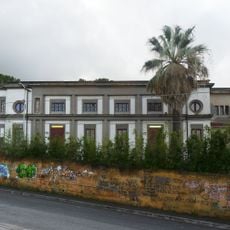
Santa Maria alla Sambuca, 13th-century hermitage ruins in Collesalvetti, Italy
Santa Maria alla Sambuca is a 13th-century hermitage located at 175 meters above sea level in a valley carved by the Ugione stream, surrounded by mountains and forests. The church section features original stone construction with a single nave and semicircular apse, and contains fragments of frescoes from the 14th century.
The hermitage is first documented in 1237, when Rainerio del fu Belluccio left half of his lands to the romitorio of Santa Maria di Parrana, as the Sambuca was called before 1317. In 1267 it depended on the Vallombrosan monastery of San Paolo in Ripa d'Arno. By 1375 it housed followers of Blessed Giovanni Colombini, founder of the Gesuati, not Jesuits.
The name Sambuca comes from "buca santa", holy hollow, after the valley site and the hermits who lived there. Legends collected in hagiographies tell of Satan appearing to the friars in the Ugione valley; Giuseppe Vivoli's 1842 annals of Livorno recount a demon in the form of a "Romitone" appearing to the Benedictine friar Bianco da l'Ancolina.
The site is located within a forested area accessible on foot, and sturdy footwear is recommended due to uneven terrain and vegetation. Only the partially restored church section is easily reached, while other ruins require careful navigation through the surrounding landscape.
A petrified forest dating back roughly 10 million years was discovered near the site in 2010, adding geological interest to the location. This discovery connects the spiritual history of the hermitage with ancient natural history of the region.
The community of curious travelers
AroundUs brings together thousands of curated places, local tips, and hidden gems, enriched daily by 94,566 contributors worldwide.