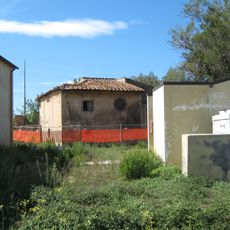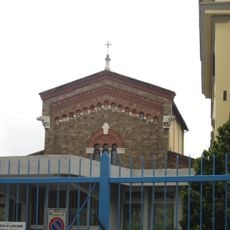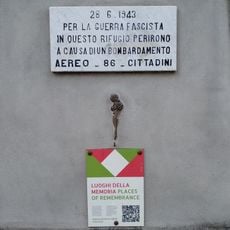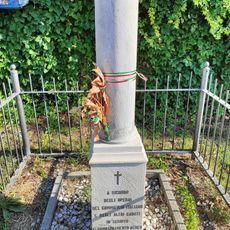
Acquedotto leopoldino, Neoclassical aqueduct in Collesalvetti and Livorno, Italy
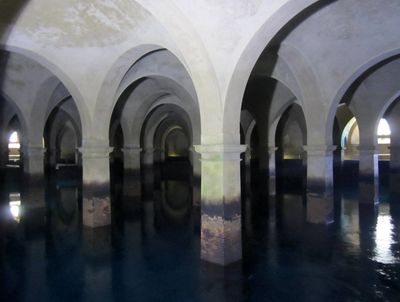
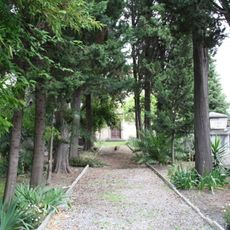
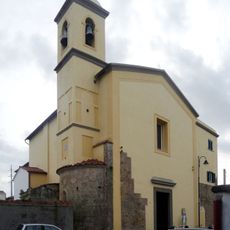
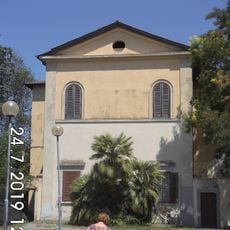
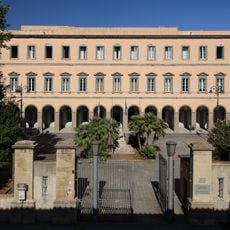
The Acquedotto Leopoldino is an aqueduct that stretches roughly 18 kilometers through hilly terrain, connecting Colognole to Livorno. It features a series of arches, underground tunnels, and water basins that transported water from the source to the city.
Commissioned by Grand Duke Ferdinand III in 1792 and begun in 1793 to plans by Giuseppe Salvetti, the aqueduct replaced a 16th-century conduit built under Ferdinand de' Medici. Work halted in 1799 with Salvetti's death and the Napoleonic upheavals, resuming in 1806 under Riccardo Calocchieri and from 1809 under Pasquale Poccianti. Water first reached Livorno in 1816; Poccianti's successor Angiolo della Valle continued the works after his death in 1858.
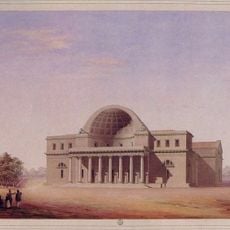
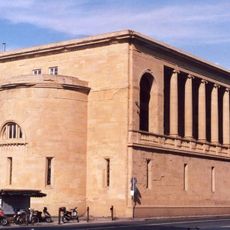
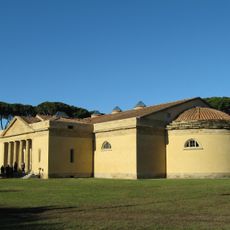
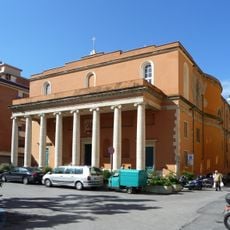
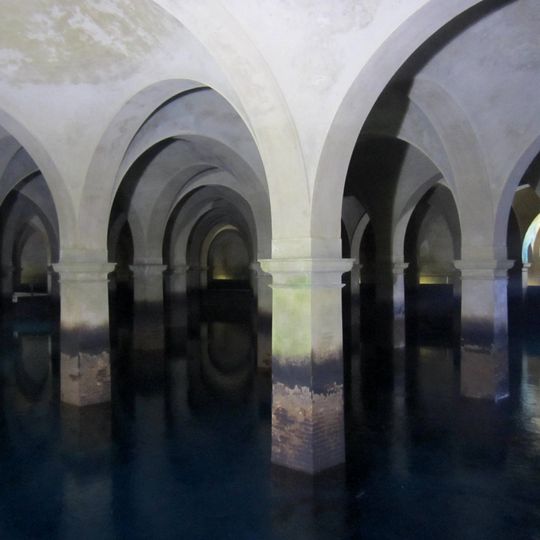
The Cisternone displays a dome design that echoes Rome's Pantheon, embodying the engineering skill of the era. This structure shaped the landscape and remains central to local identity today.
Visitors can explore the structure on a roughly 6-kilometer trail starting from the Fociarella quarry parking area on the SP5 road between Colognole and Valle Benedetta. The path is walkable and offers views of different sections of the aqueduct and the surrounding landscape.
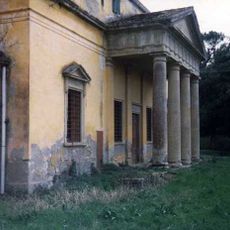
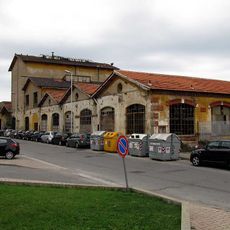
The aqueduct's spring buildings and collection tanks shelter the Schiavazzi cave cricket (Dolichopoda schiavazzii), a lightless-cave species discovered there by entomologist Giuseppe Schiavazzi (1868–1952). The cisterns themselves were planned by Pasquale Poccianti in 1827: the Cisternone still works, while the Cisternino di città never entered service.
The community of curious travelers
AroundUs brings together thousands of curated places, local tips, and hidden gems, enriched daily by 94,631 contributors worldwide.