Grotta della Bigonda, Cave system in Valsugana, Trentino, Italy
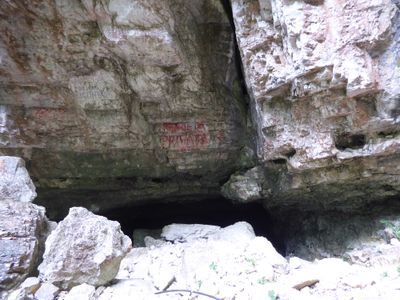
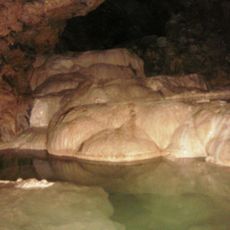
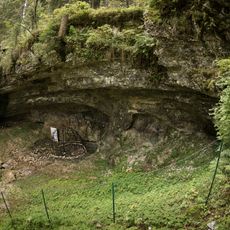
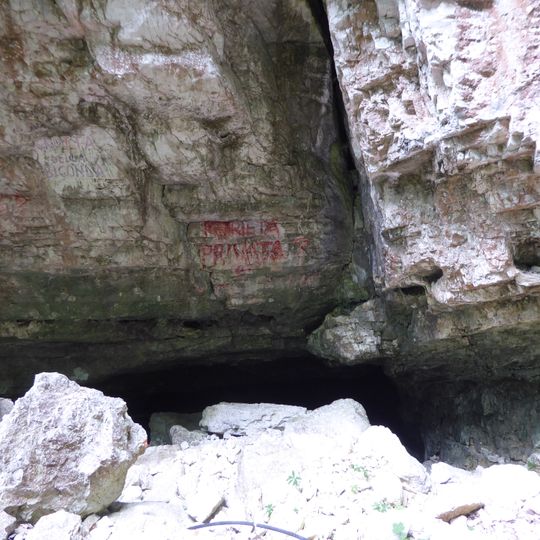
Grotta della Bigonda opens on the right bank of the Brenta at 458 m above sea level, in the municipality of Ospedaletto, and runs north-south through three levels linked by shafts and fissures. It is Italy's third-longest cavity, with more than 30 km surveyed and a vertical range from -108 to +350 m. Its dolomite walls carry stalactites and stalagmites, and 25 small ponds and 21 siphon lakes form inside.
The cave system was discovered in 1952 during aqueduct construction work near Ospedaletto and subsequently explored by local mountaineering groups. These early expeditions established the foundation for understanding this underground network.
The cave's name appears in two forms, Bigonda and Vigondola, both used locally. Exploration continues today: after the SAT surveyors mapped the first 2.9 km, the Gruppo Grotte Selva di Grigno carried the survey past 30 km. Visits run only in winter, led by that same Selva group, and stop at the first kilometre.
Access to the site is from Ospedaletto, with guided visits available primarily during winter months when water levels are lower. Visitors should bring warm clothing and sturdy footwear as the underground environment is cool and can be slippery.
The cave's interior changes with rainfall: 25 small pools can be waded in high boots or crossed by dinghy, while 21 siphon lakes require diving gear. In very wet seasons the whole cave floods and closes. Surveys in 1999 measured a vertical range from -108 to +350 m, over 450 m in all.
The community of curious travelers
AroundUs brings together thousands of curated places, local tips, and hidden gems, enriched daily by 94,639 contributors worldwide.