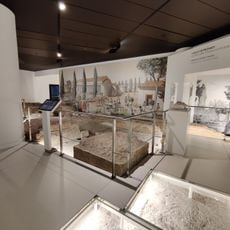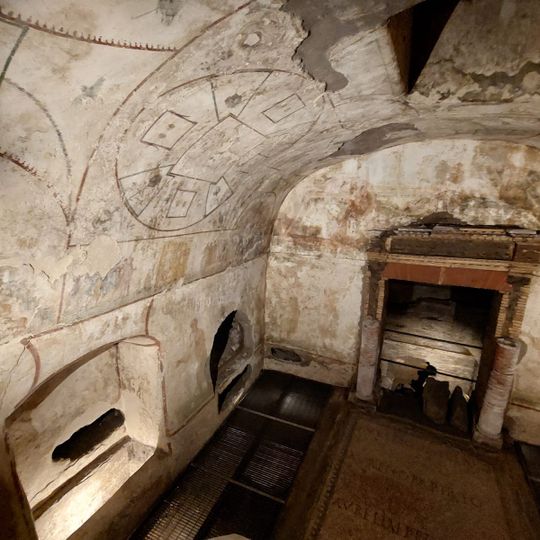
Hypogeum of the Aurelii, Underground burial chamber of Via Labicana, Rome, Italy
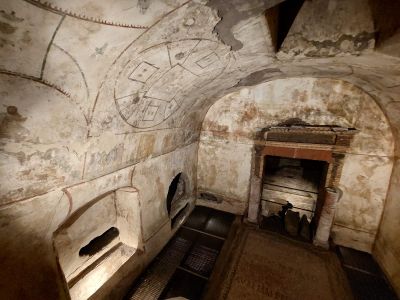
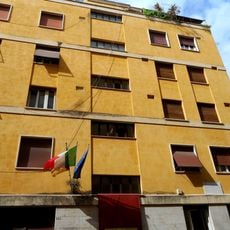
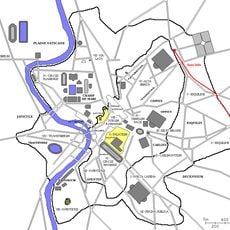
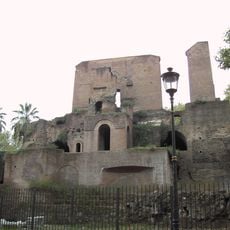
The Hypogeum of the Aurelii lies at the junction of viale Manzoni and via Luzzatti, behind the ancient via Labicana. Its upper level was a semi-underground hall of which only the lower part survives; five metres below, two mirrored rooms are fully underground. The walls carry frescoes dated to about 230 AD whose interpretation is still debated.
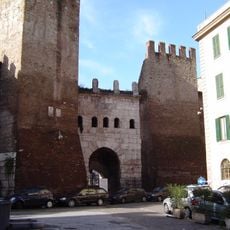
The tomb was found by chance in 1919 during the construction of a garage at the junction of viale Manzoni and via Luzzatti. No ancient, medieval or Renaissance source mentions it. Its frescoes date to around 230 AD. After the Aurelian Wall was built and the pomerium enlarged, the cemetery was abandoned.
The name comes from the Cubiculum of the Aurelii, where a floor mosaic records Aurelius Felicissimus dedicating the tomb to his siblings Aurelius Onesimus, Aurelius Papirius and Aurelia Prima. Beside it, a marble plaque commemorates Aurelia Myrsina, set up by her parents Aurelius Martinus and Iulia Lydia. The frescoes of about 230 AD remain hard to interpret.
The Pontifical Commission for Sacred Archaeology manages entry and requires advance reservations by phone or email. Allow time for booking, as visits happen only at scheduled times.
The frescoes show the names of family members like Onesimus Aurelius, Aurelius Papirius, and their sister Aurelia Prima depicted in burial scenes. These personalized images are uncommon and give the site a human touch.
The community of curious travelers
AroundUs brings together thousands of curated places, local tips, and hidden gems, enriched daily by 93,166 contributors worldwide.