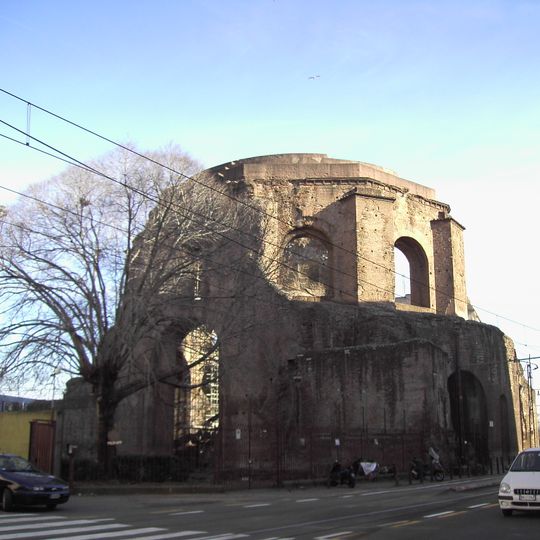
Temple of Minerva Medica, Nymphaeum ruins on Esquiline Hill in Rome, Italy
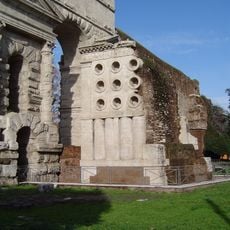
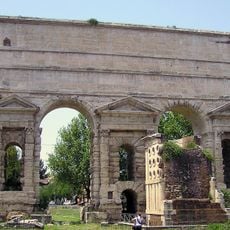
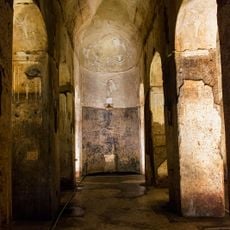
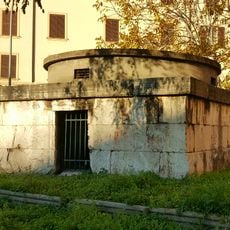
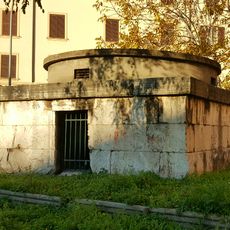
The Temple of Minerva Medica is a twelve-sided ruin on the Esquiline Hill that once served as a nymphaeum surrounded by nine semicircular niches. The interior was lit by ten round-arched windows and still displays the original brick construction of the ancient structure.
The building was constructed in the fourth century and originally served as a nymphaeum providing water and refreshment to Roman visitors. It received its current name in the seventeenth century due to a misidentified statue discovered at the site.
Locals and visitors recognize this ruin as a sacred space, though its original purpose remains debated between scholars who see it as both a religious sanctuary and a practical retreat. The elegant hall with its curved spaces shaped how Romans of means designed their leisure areas.
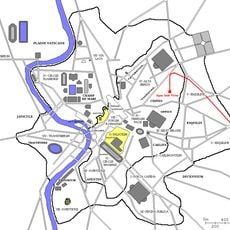
The site is located within the city and is accessible by various public transport options that bring you to this archaeological area. Wear good shoes since the ground is uneven and the ruins vary in height.
The ancient structure houses one of the largest domes from Roman antiquity with a diameter of 25 meters, making it the second most impressive after the Pantheon. Few visitors notice how this technical achievement would later shape religious architecture for centuries to come.
The community of curious travelers
AroundUs brings together thousands of curated places, local tips, and hidden gems, enriched daily by 91,793 contributors worldwide.