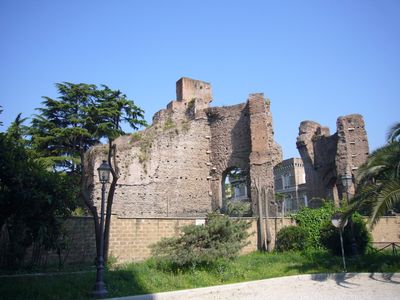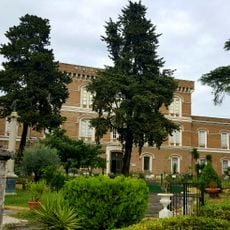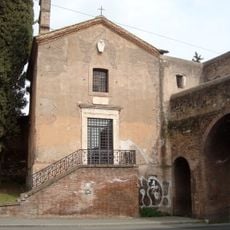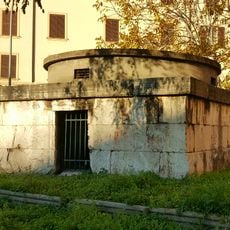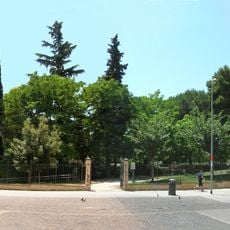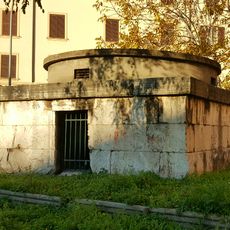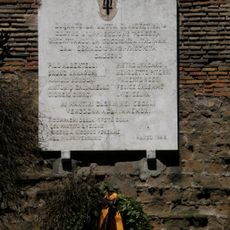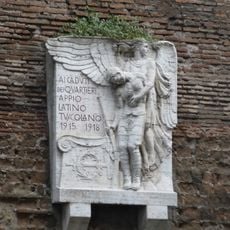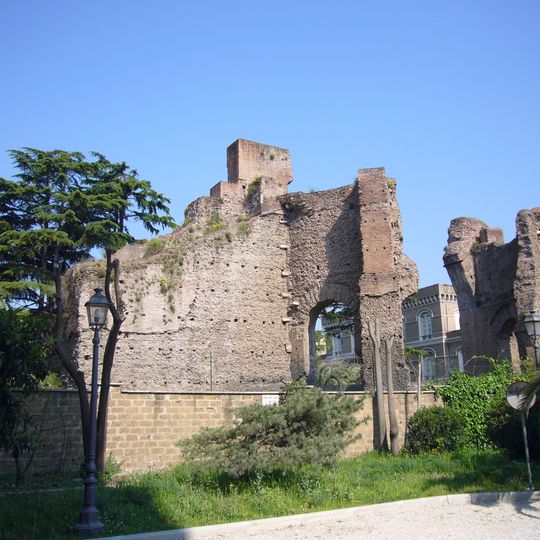
Sessorium, Palace and archaeological site in Esquiliae district, Rome, Italy
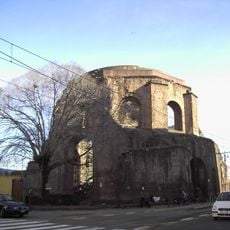
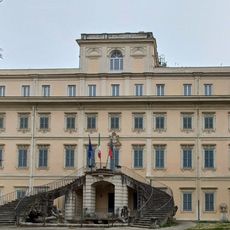
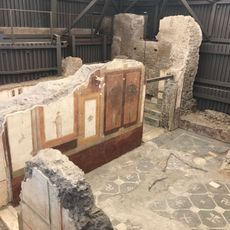
The Sessorium was an imperial palace complex in Rome featuring thermal baths, an amphitheater, and extended gardens near the Claudius Aqueduct. The site contained multiple structures added and modified across different periods.
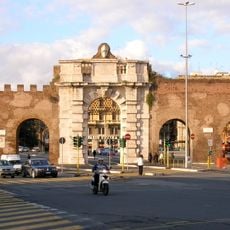
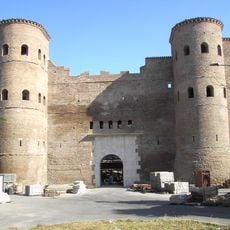
Emperor Septimius Severus initiated construction of this imperial residence in the early 3rd century, which Elagabalus completed. Later, much of the complex was incorporated into the Aurelian Wall that protected Rome.
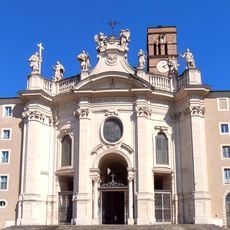
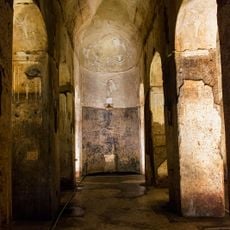
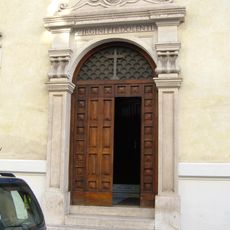
The site gained religious significance when Constantine converted a large hall into the basilica of Santa Croce in Gerusalemme. This transformation shaped how people have experienced and used the location for centuries.
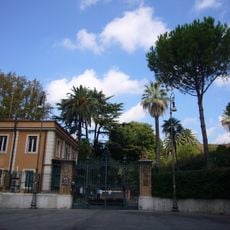
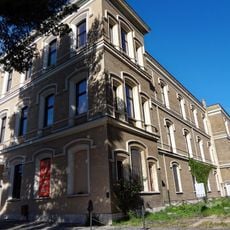
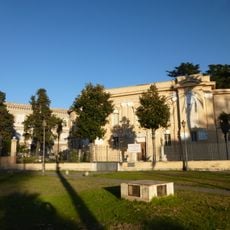
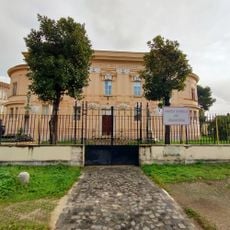
The remains are located on the grounds of Viale Castrense 5 in Rome and accessible by public transportation. The site is walkable, though some areas may have limited access and sturdy footwear is advisable.
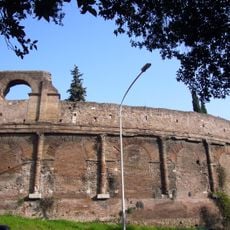
An amphitheater on the grounds was converted into the Aurelian Wall and served for centuries as a defensive structure protecting the city. This reuse demonstrates how Roman structures were recycled in later periods for the city's defense.
The community of curious travelers
AroundUs brings together thousands of curated places, local tips, and hidden gems, enriched daily by 91,271 contributors worldwide.