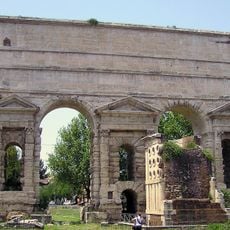
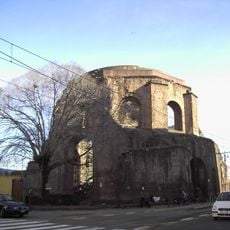
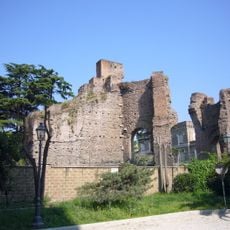
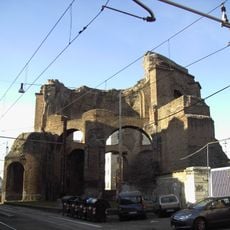
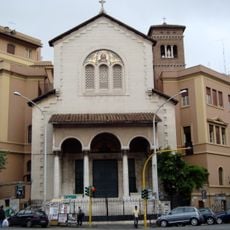
Thermae Helenianae, Roman bath ruins near Porta Maggiore, Italy
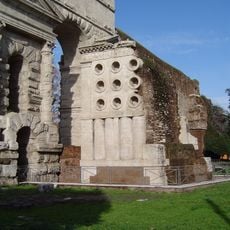
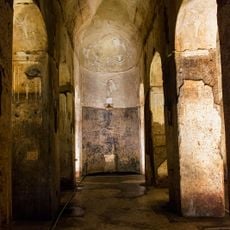
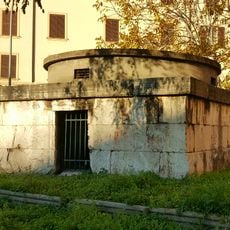
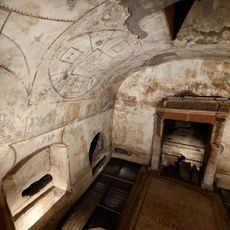
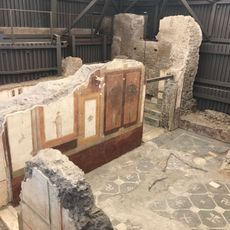
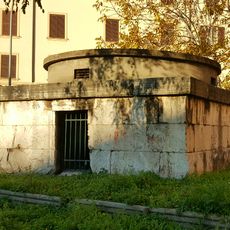
Thermae Helenianae is an ancient Roman bathing complex in Rome featuring twelve underground chambers arranged in two parallel rows between Via Eleniana and Via Sommeiller. The remaining structures sit approximately 4.5 meters below current street level with visible portions of the water reservoir that supplied the thermal system.
These baths were originally constructed during the Severan period and underwent major reconstruction between 323 and 326 CE under Helena, mother of Emperor Constantine I. Her renovation represented a significant transformation of the complex during a pivotal era in Roman history.
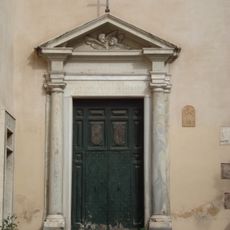
Medieval inhabitants repurposed one water chamber as a sacred space, showing how ancient structures adapted to new spiritual needs. Renaissance scholars became fascinated with the complex and recorded its design through careful drawings.
Access to the remains requires descending into underground areas located far below the modern street surface. It helps to prepare for uneven and damp surfaces while wearing layers, as the buried chambers remain cool and dark below ground.
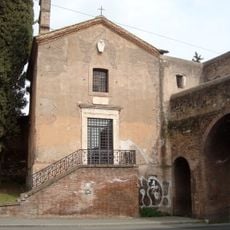
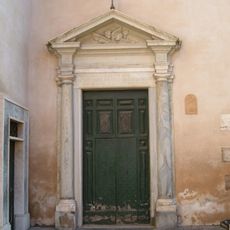
In medieval times, one water chamber was transformed into a Christian chapel dedicated to Saint Angelo. This repurposing demonstrates how ancient structures took on sacred functions in later centuries.
The community of curious travelers
AroundUs brings together thousands of curated places, local tips, and hidden gems, enriched daily by 60,000 contributors worldwide.