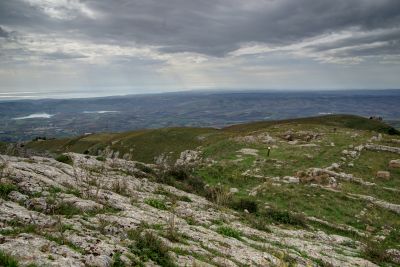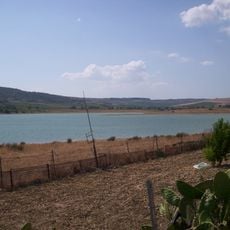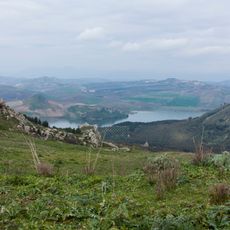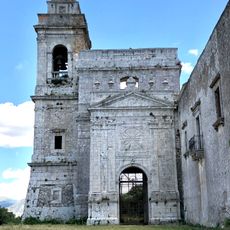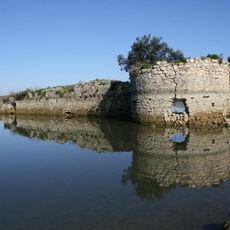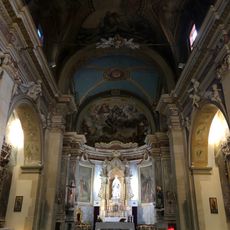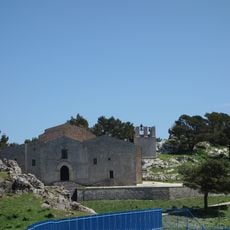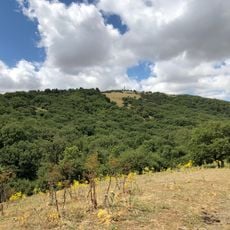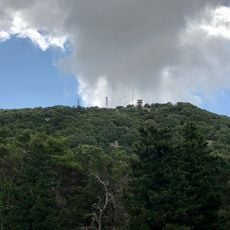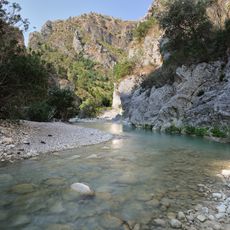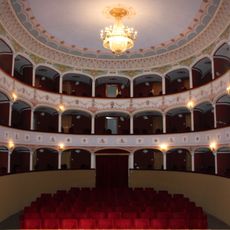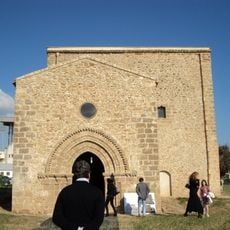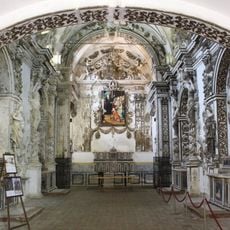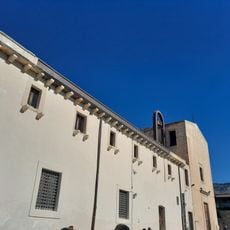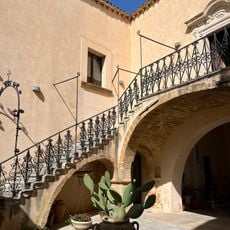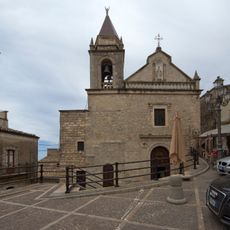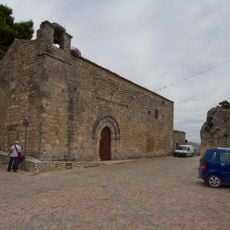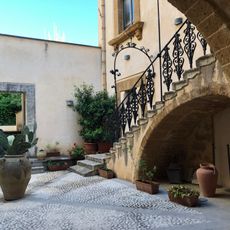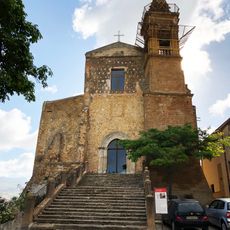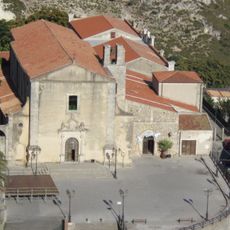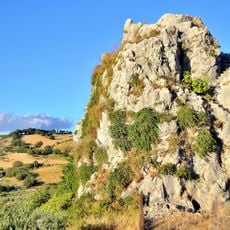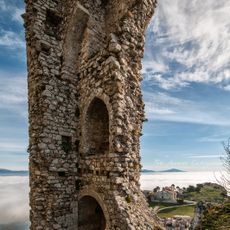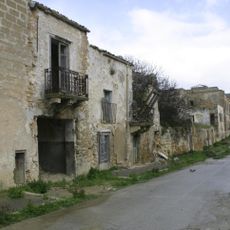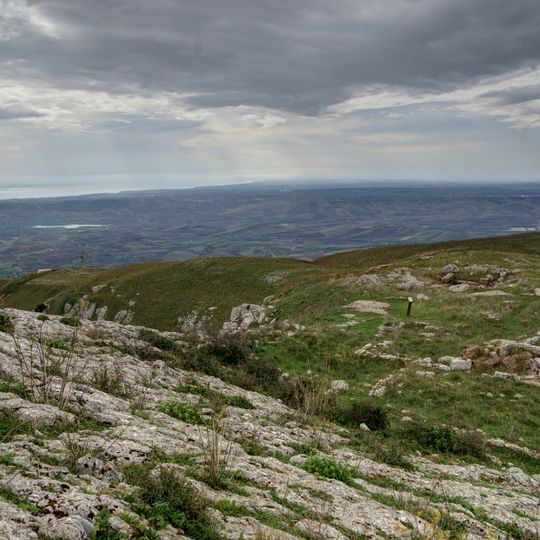
Monte Adranone, Archaeological site at 899 meters in Sambuca di Sicilia, Italy.
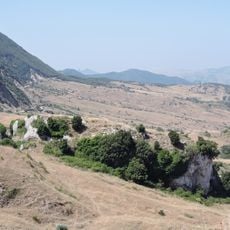
Monte Adranone is an archaeological site in the hills above Sambuca di Sicilia with remains of an ancient city spanning multiple periods. Excavations have uncovered temple structures, residential quarters, defensive walls, and a craftspeople's district that reveal the layout of a well-organized settlement.
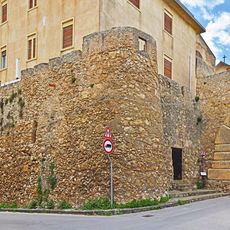
The city was founded at the start of the 5th century BC as a colony of Selinunte, between the Hellenized Sican area and the Punic Elymian area, with a Punic pre-eminence from the early 4th century BC. Its walls, over 6 km long, were built at the end of the 6th or start of the 5th century BC and rebuilt by the Carthaginians in the 4th century with towers and buttresses. Excavations show the city was violently destroyed around the middle of the 3rd century BC, with only sporadic presence, perhaps garrisons, during the Second Punic War.
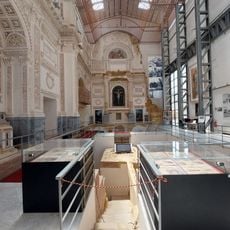
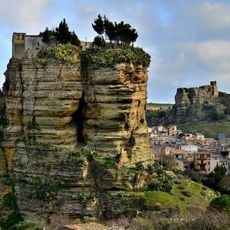
The name Adranon is linked to the Adragna district below the mountain, whose crags the site overlooks; Klüver proposed the identification and Holm supported it with this toponymic evidence. Excavations since 1968 have yielded votive offerings, terracottas, busts of divinities, Attic pottery and bronze items, many displayed at Palazzo Panitteri in Sambuca di Sicilia.
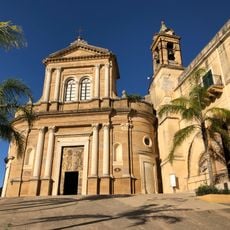
Visiting the site requires sturdy footwear and time to explore the extensive ruins spread across the hilltop. To learn more about findings and details, visit the Palazzo Panitteri Museum in Sambuca di Sicilia, which displays artifacts and explanatory materials.
The Tomba della Regina is a monumental tomb in the necropolis near the entrance to the archaeological area, south of the inhabited centre. Its name is traditional; the sources record no queen buried there. Regular excavations from 1968 onward brought the necropolis and the tomb to light.
The community of curious travelers
AroundUs brings together thousands of curated places, local tips, and hidden gems, enriched daily by 93,646 contributors worldwide.