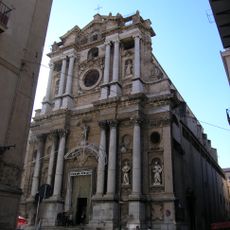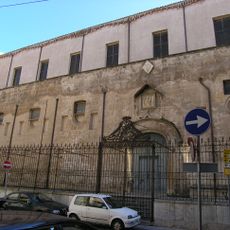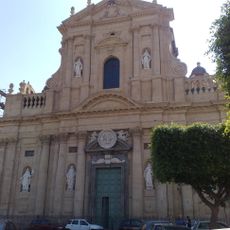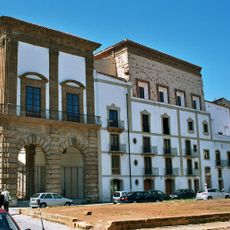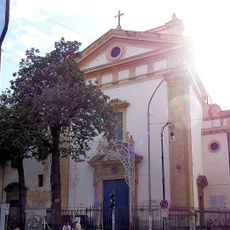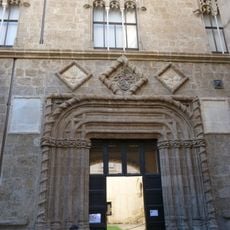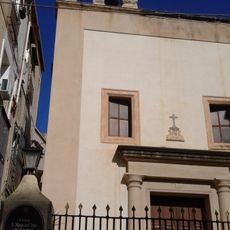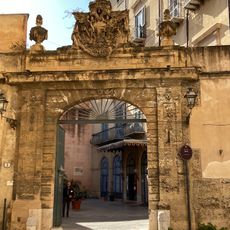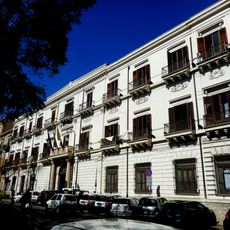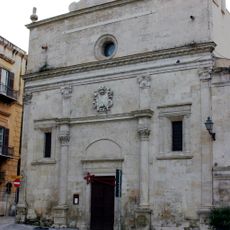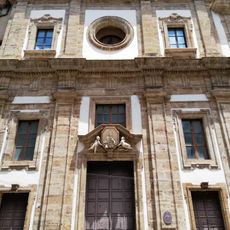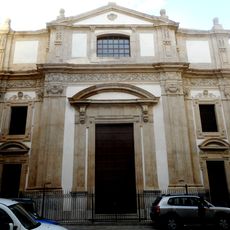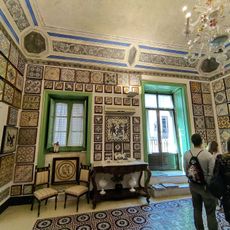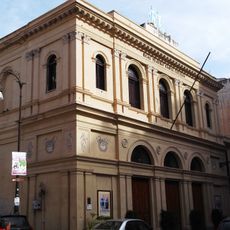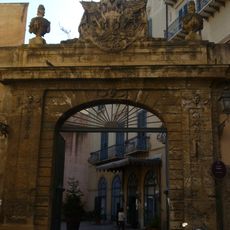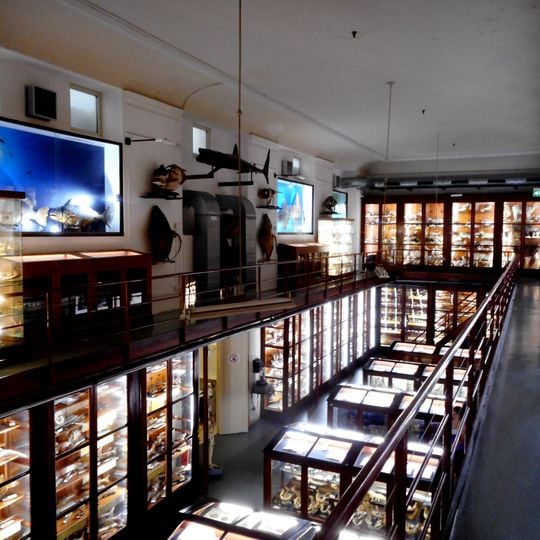
Pietro Doderlein, Natural history museum in Palermo, Italy.
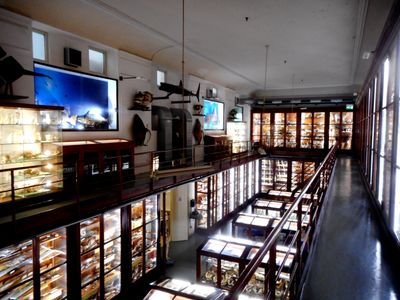
The museum holds an extensive collection of animal specimens from the Mediterranean region, including fish, birds, mammals, reptiles, and invertebrates arranged in scientific order. The displays are organized systematically and show the range of life forms found in this region.
The natural history museum was established in 1863 when Pietro Doderlein became professor of zoology and comparative anatomy at the University of Palermo. His drive to document the region's animal life scientifically led him to start this zoological collection.
The collection reflects how Palermo became a hub for scientific study in the 19th century and how university scholars systematically examined organisms from their region. The rooms give you a sense of how scholars worked and why they valued understanding the natural world around them.
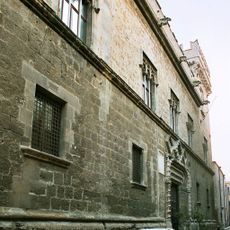
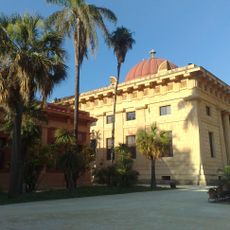
The museum is located near the University of Palermo and is easy to reach on foot from central areas. Plan your visit for the morning hours on weekdays, as that is when the museum is open to the public.
The collection contains roughly 1100 Mediterranean fish specimens that were treated with a special preservation method developed by Doderlein himself. The exact formula for this treatment has been lost over time, making these specimens scientific mysteries.
The community of curious travelers
AroundUs brings together thousands of curated places, local tips, and hidden gems, enriched daily by 92,722 contributors worldwide.