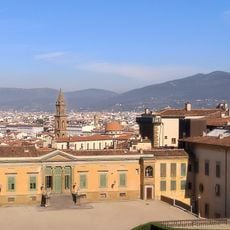
Villa Barbaro, Carriage museum in Florence, Italy
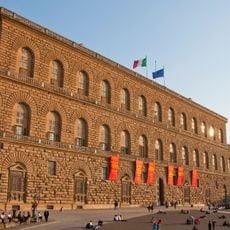
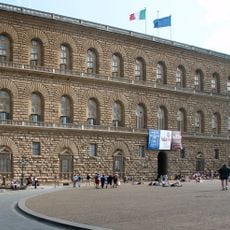
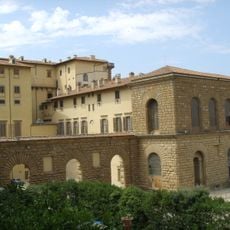
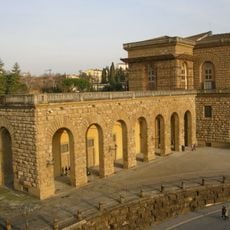
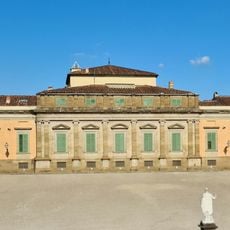
The Museo delle carrozze occupies the rondò di Porta Romana, the right-hand side wing of Palazzo Pitti as seen from Piazza Pitti. It holds ten original carriages and two sedan chairs from the Lorraine and Savoy courts, mostly late 18th and 19th century, plus a set of old horse harnesses. The oldest piece is an 18th-century two-seat coupé of the Giugni house; the most prized is Ferdinando III of Lorraine's carriage, carved in 1816 by Paolo Santi and painted by Antonio Marini with pairs of rulers and famous Florentines.
The carriages come from the grand-ducal court, mainly from the late 18th and 19th centuries under the Lorraine and Savoy dynasties. The oldest piece is an 18th-century two-seat coupé from the Giugni house, followed by the carriage of Scipione de' Ricci, bishop of Pistoia. The most prized is Ferdinando III of Lorraine's carriage, carved in 1816 by Paolo Santi and painted by Antonio Marini. A future reopening is planned, perhaps in the Rondò di Bacco.
The carriages on display reflect how the Florentine nobility used these vehicles to display wealth and status in daily life and public events. The decorative choices and construction methods reveal what mattered to aristocratic families in expressing their position within society.
The museum occupies the rondò di Porta Romana, the right-hand side wing as you face Palazzo Pitti from Piazza Pitti. The collection is reached through the palace complex, so plan the visit together with the palace and Boboli Gardens. A future reopening is planned, possibly in the Rondò di Bacco, where the former royal stables stand.
The museum occupies the rondò di Porta Romana, the right-hand side wing of Palazzo Pitti as seen from Piazza Pitti. A planned reopening may move the collection to the Rondò di Bacco, site of the former royal stables.
The community of curious travelers
AroundUs brings together thousands of curated places, local tips, and hidden gems, enriched daily by 93,562 contributors worldwide.