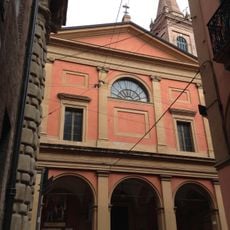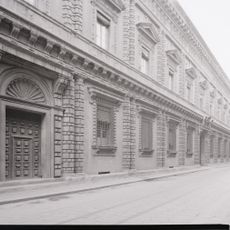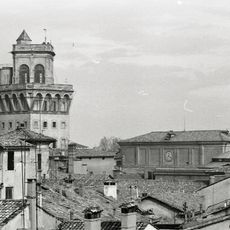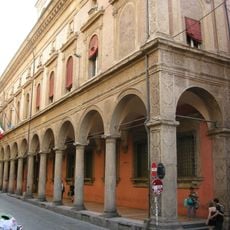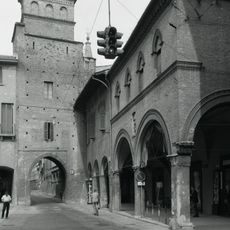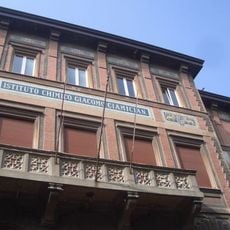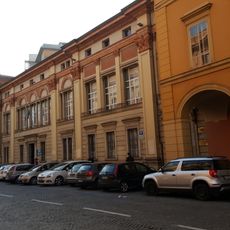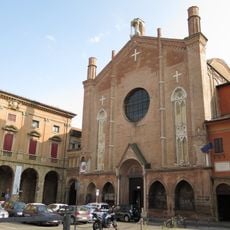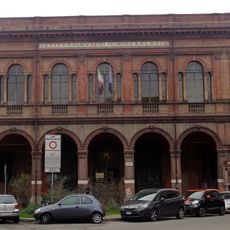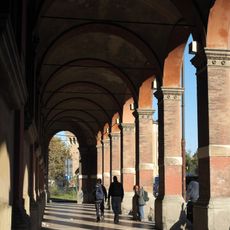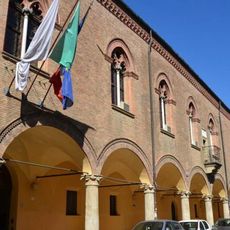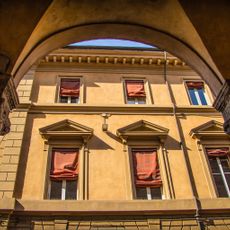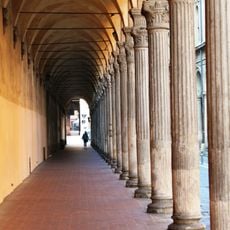
Museo di Palazzo Poggi, Natural history museum in Via Zamboni, Bologna, Italy.
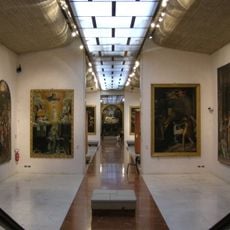
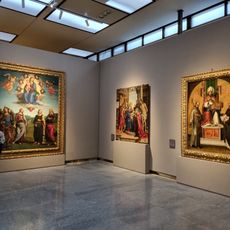
Museo di Palazzo Poggi is a natural history museum housed in an ornate palace on Via Zamboni in Bologna, displaying collections spanning geography, navigation, physics, chemistry, anatomy, and natural specimens. The exhibitions unfold across decorated halls that reveal how scientific inquiry and artistic craftsmanship were intertwined in the 18th century.
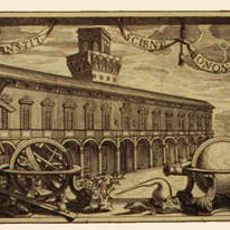
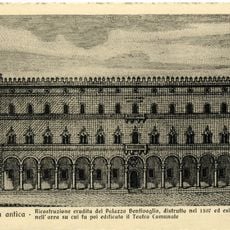
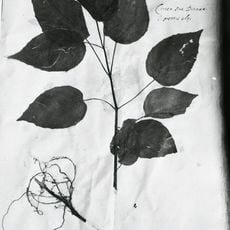
Bologna's Senate acquired Palazzo Poggi in 1711 and established an Institute of Sciences and Arts there under Luigi Ferdinando Marsili's leadership. The museum later integrated the extensive natural history collections assembled by scholar Ulisse Aldrovandi, transforming it into a major center of knowledge.
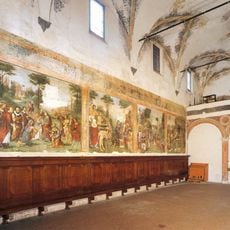
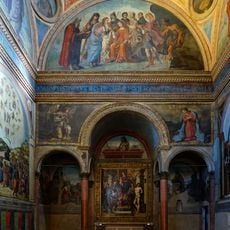
The Renaissance frescoes adorning the palace walls were painted by masters like Pellegrino Tibaldi and represent the artistic ambitions of 16th-century Bologna. This decoration reflects how the city valued art and learning as expressions of civic pride.
The museum sits within easy walking distance in Bologna's university district, and its collections spread across multiple floors, so comfortable footwear is advisable. The rooms are well-lit and clearly marked, but obtaining a floor plan or guide before your visit helps you navigate the different sections without getting turned around.
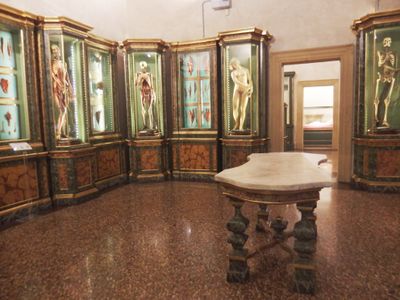
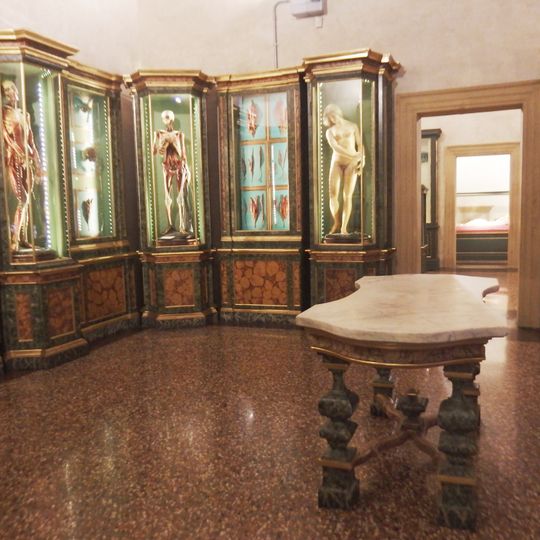
The museum houses anatomical wax models crafted by Ercole Lelli, an artist who reproduced human bodies in wax with scientific precision. These models stand as masterworks of medical illustration and reveal how art and anatomy were inseparable in early modern science.
The community of curious travelers
AroundUs brings together thousands of curated places, local tips, and hidden gems, enriched daily by 60,000 contributors worldwide.