See the monuments around you in AROpen chests in the app
Around Us is built for your phone — point your camera at the streets and discover the monuments and places around you in augmented reality.Around Us is built for your phone — chests unlock when you walk, explore and capture nearby places.
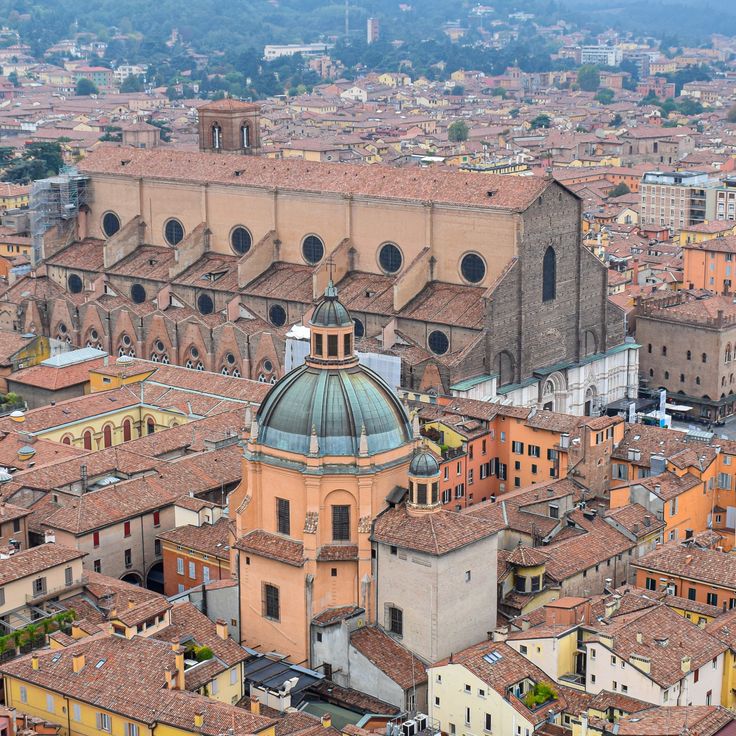
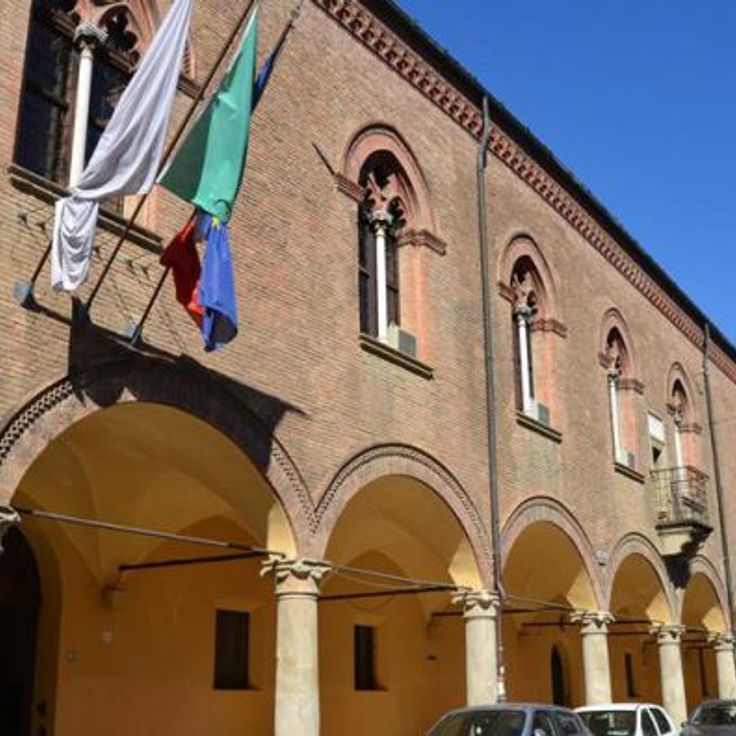
Bologna offers many photography subjects, from medieval towers to Renaissance palaces. The covered arcades stretch for miles, connecting squares, churches, and historic buildings. The Neptune Fountain stands beside Piazza Maggiore, the heart of the city. The Two Towers rise above the streets and have been landmarks for centuries. Santo Stefano Basilica consists of several connected churches, while the Sanctuary of the Madonna of San Luca sits on a hill, reached by one of the longest porticoes in the world.
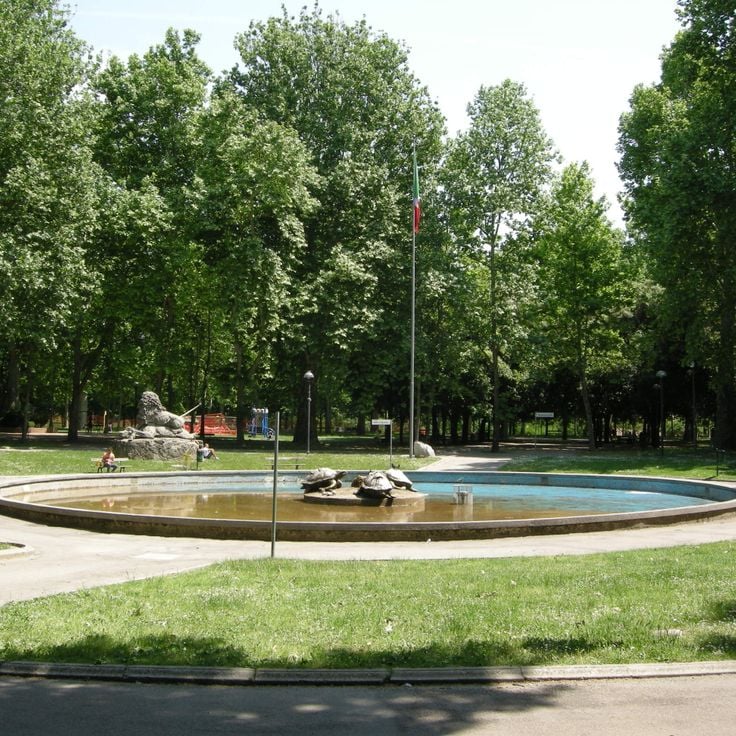
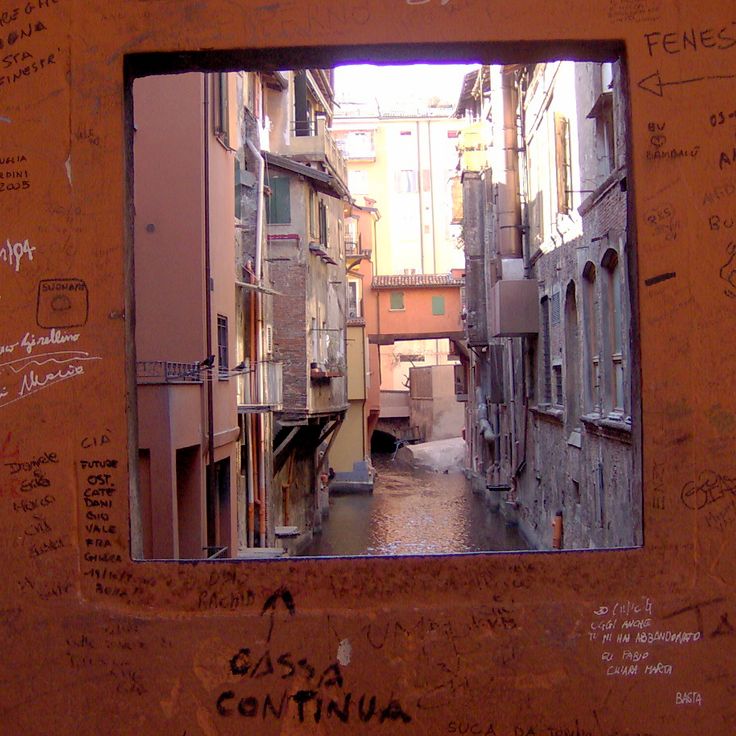
The university district shows buildings from medieval and Renaissance periods, including the Archiginnasio with its anatomical theater. The botanical garden provides a quiet green space, and parks like Giardini Margherita and Montagnola Park offer places to rest. Smaller discoveries like the window on Via Piella give views of the Moline canal. Palaces, libraries, and museums complete the photographic range of this city that has kept its historic character.
Bologna offers many photography subjects, from medieval towers to Renaissance palaces. The covered arcades stretch for miles, connecting squares, churches, and historic buildings. The Neptune Fountain stands beside Piazza Maggiore, the heart of the city. The Two Towers rise above the streets and have been landmarks for centuries. Santo Stefano Basilica consists of several connected churches, while the Sanctuary of the Madonna of San Luca sits on a hill, reached by one of the longest porticoes in the world.
The university district shows buildings from medieval and Renaissance periods, including the Archiginnasio with its anatomical theater. The botanical garden provides a quiet green space, and parks like Giardini Margherita and Montagnola Park offer places to rest. Smaller discoveries like the window on Via Piella give views of the Moline canal. Palaces, libraries, and museums complete the photographic range of this city that has kept its historic character.
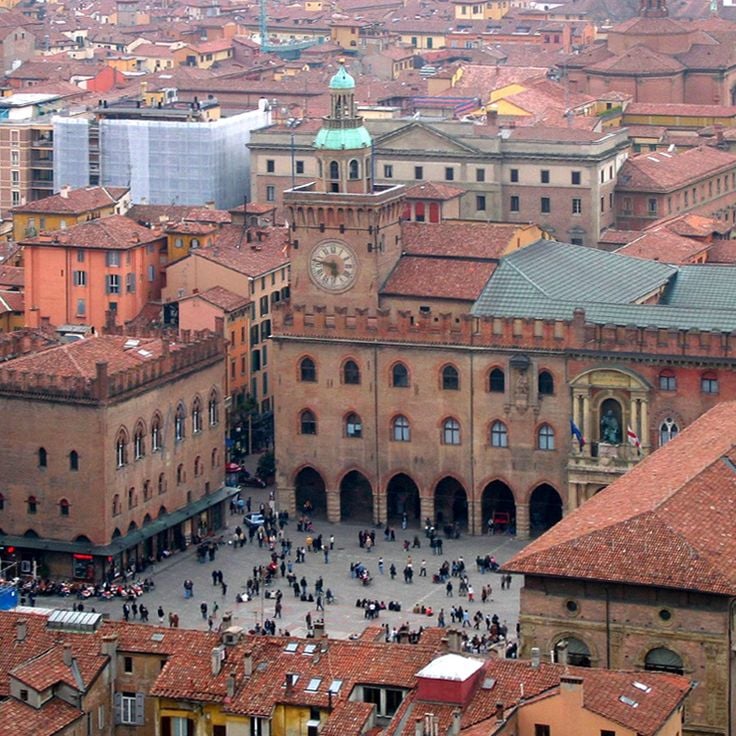
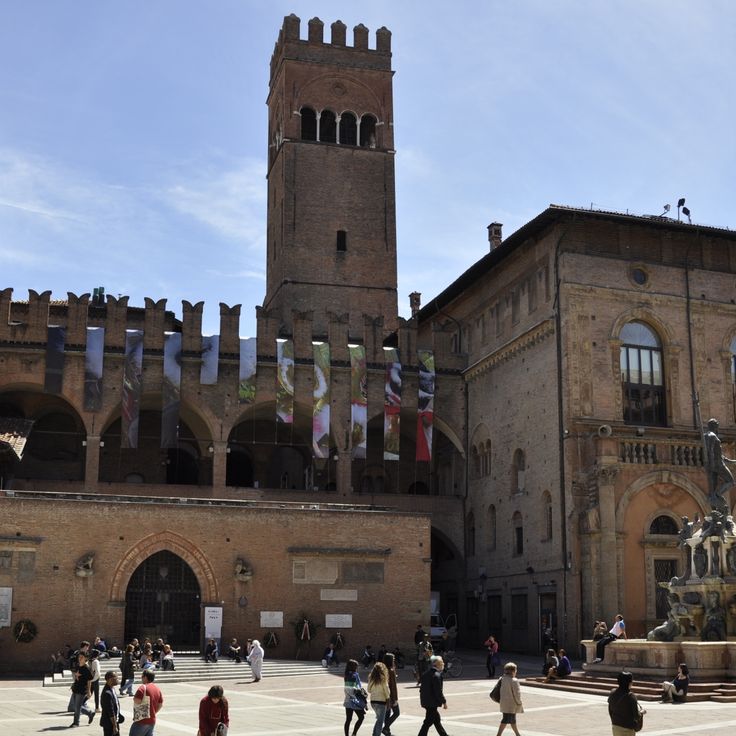
This square forms the heart of the city and gathers locals and travelers daily under open skies. The Basilica of San Petronio rises on one side with its unfinished facade of red brick and white marble. Medieval palaces surround the paved expanse, where people meet for conversation or rest on the steps. For photographers, Piazza Maggiore offers perspectives on historic buildings, arcades, and urban life among the old walls.
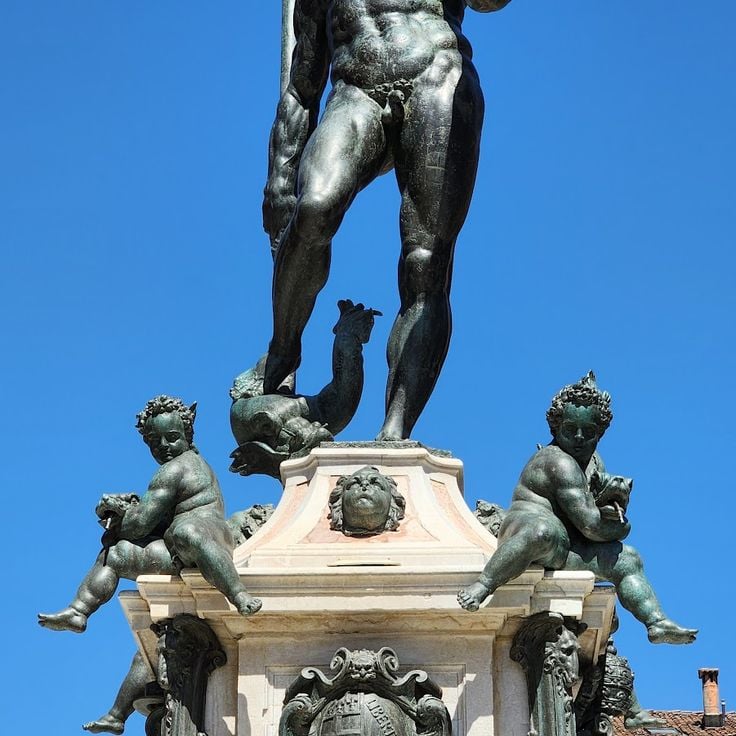
This Renaissance fountain from 1566 features a bronze Neptune figure standing on a pedestal, surrounded by water-spouting dolphins. The composition offers a historical backdrop for photography in Bologna's city center, where architecture and public squares provide opportunities for visual documentation.
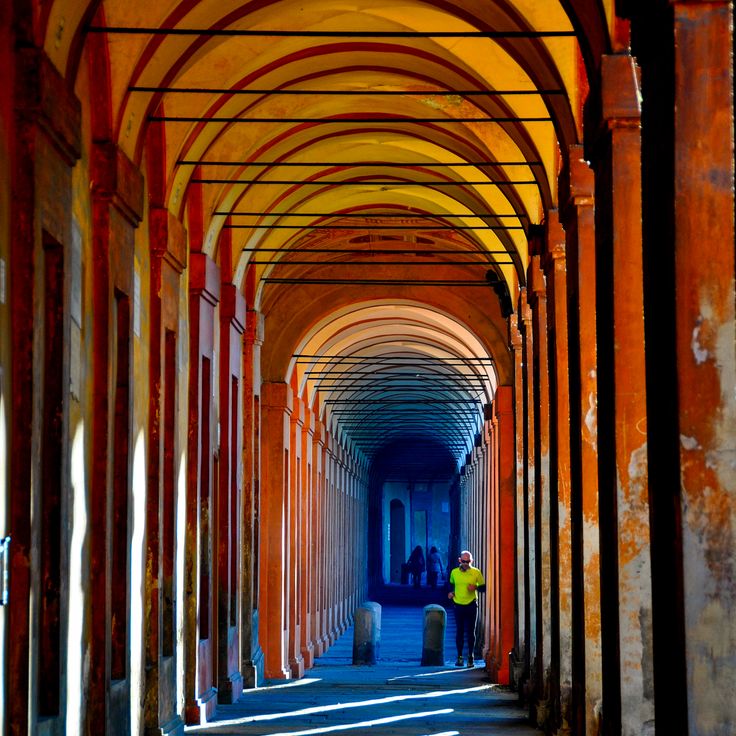
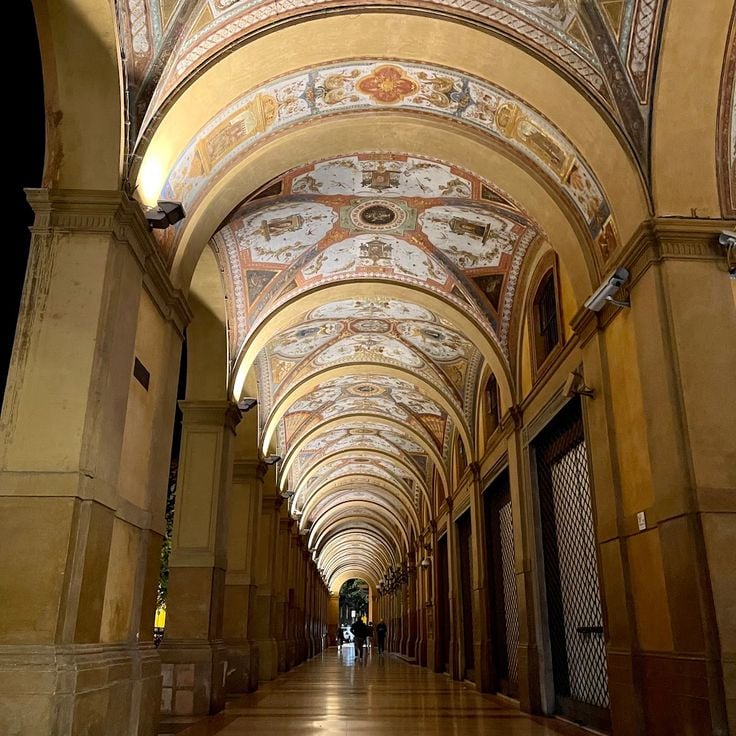
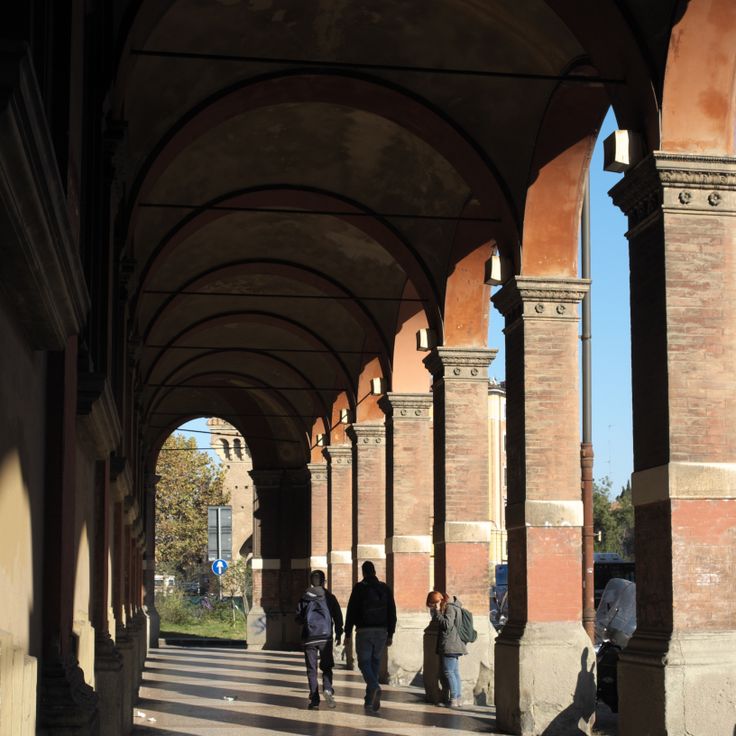
This covered walkway extends for several kilometers from the city center to San Luca basilica on a hilltop, offering a perspective on Bologna. The arches form a sheltered path that winds through streets, parks, and vineyards. Locals use the portico for jogging, walking, or making pilgrimages to the church. The structure was built over several centuries and shows different architectural styles. On sunny days, light filters through the arches and creates patterns on the pavement. The climb is long but never steep, and views gradually open over the city and surrounding hills.
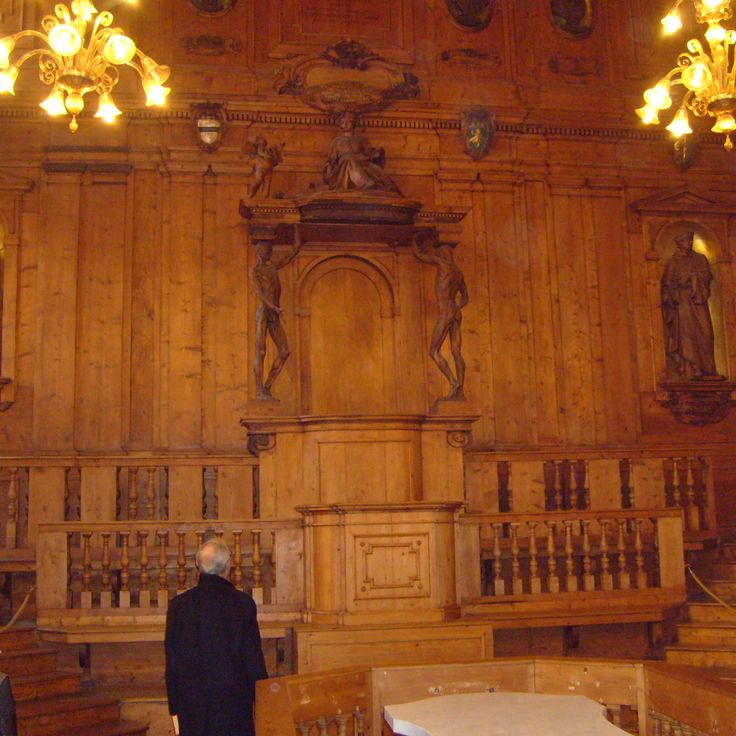
This 16th century palace houses an anatomical theater with carved wooden details, a library decorated with Renaissance frescoes, and walls covered with over 35,000 coats of arms of former students. The halls display portraits, sculptures, and ornamental elements that reflect Bologna's academic history. The courtyard and staircases connect different levels of the building. The theater was used for medical lectures, while the library served as the center of university life for centuries. The architecture combines function with artistic design, offering photographers insight into the city's historical education tradition.
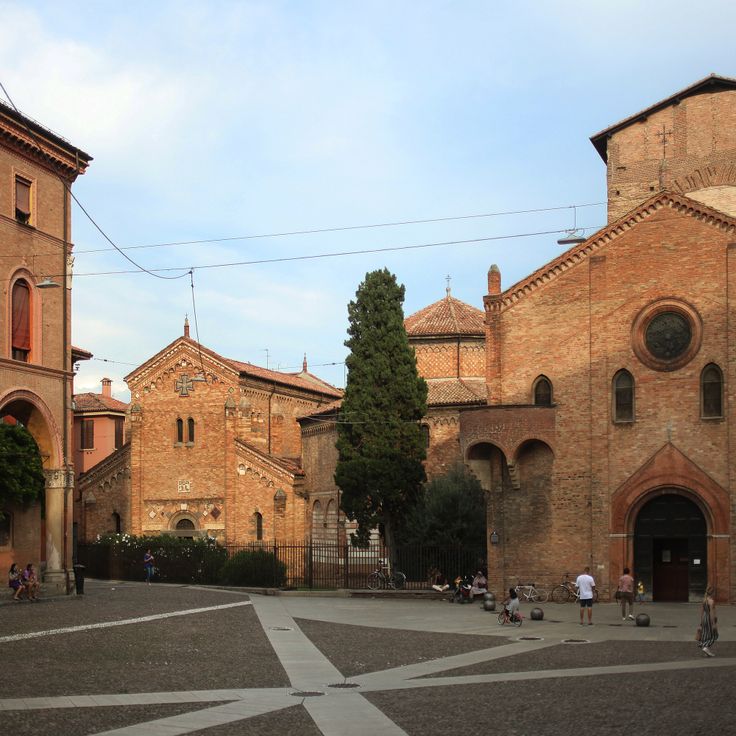
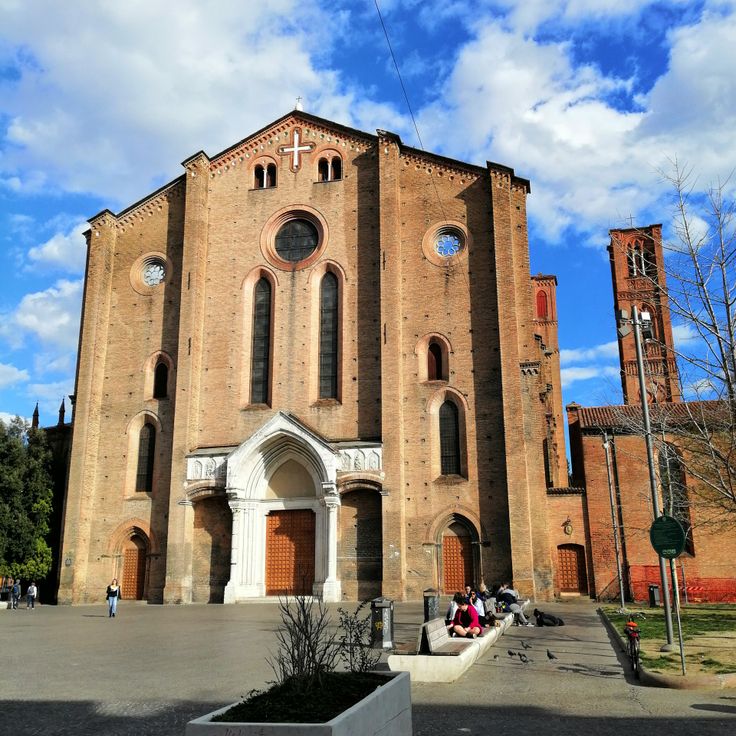
This basilica is a medieval compound of four interconnected churches built between the 8th and 13th centuries. The buildings show Romanesque architecture with thick stone walls, rounded arches, and quiet courtyards. Inside, you find old relics, mosaics, and burial sites. Light comes through small windows and creates soft shadows on the columns. Visitors walk through the different chapels and notice how each room has its own mood. The compound sits on an open square in the historic center and offers photographers subjects with old stone, arches, and views through the connected church spaces.
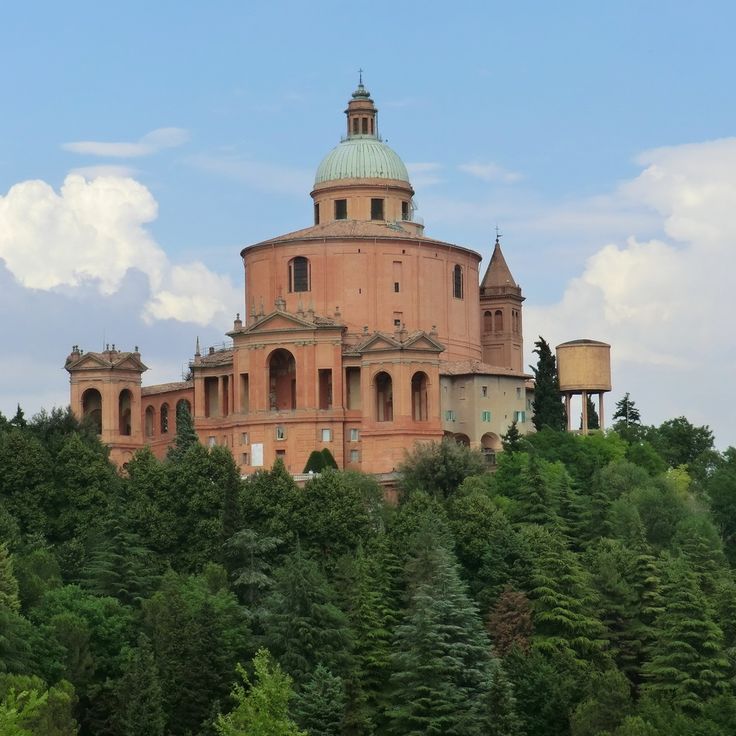
This sanctuary stands on a wooded hill outside the city and is connected to the center by a covered walkway nearly four kilometers long. The church dates from the 18th century and houses a revered image of the Madonna. From its terrace, you can see Bologna and the surrounding plain spread out below. The long arcade passes through fields and vineyards before climbing the slope. Pilgrims and visitors walk this route on foot, and the ascent often becomes a chance to pause for conversation or rest. The church itself shows baroque forms with a large dome, and services are held regularly inside. On Sundays and holidays, families from the city come to make the walk and enjoy the quiet of the surroundings. This place is a popular destination for photographers who want to capture the interplay of landscape, architecture, and the long sheltered path.
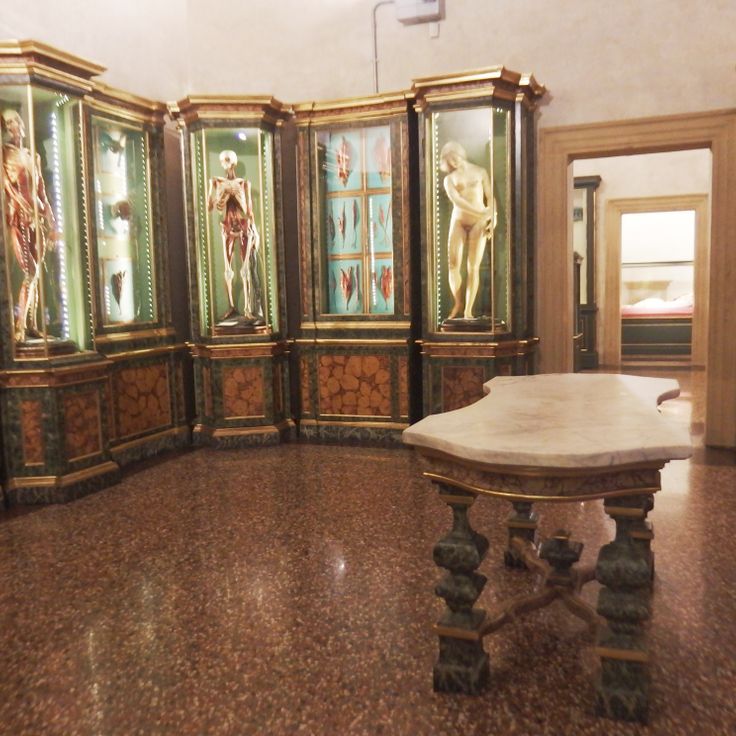
This historic palace presents scientific instruments, anatomical models, and natural history specimens from the 16th to 18th centuries. The collections provide background for photographs that show the city's scientific heritage, and fit into the university's historic architecture that offers many photo subjects in the old town center.
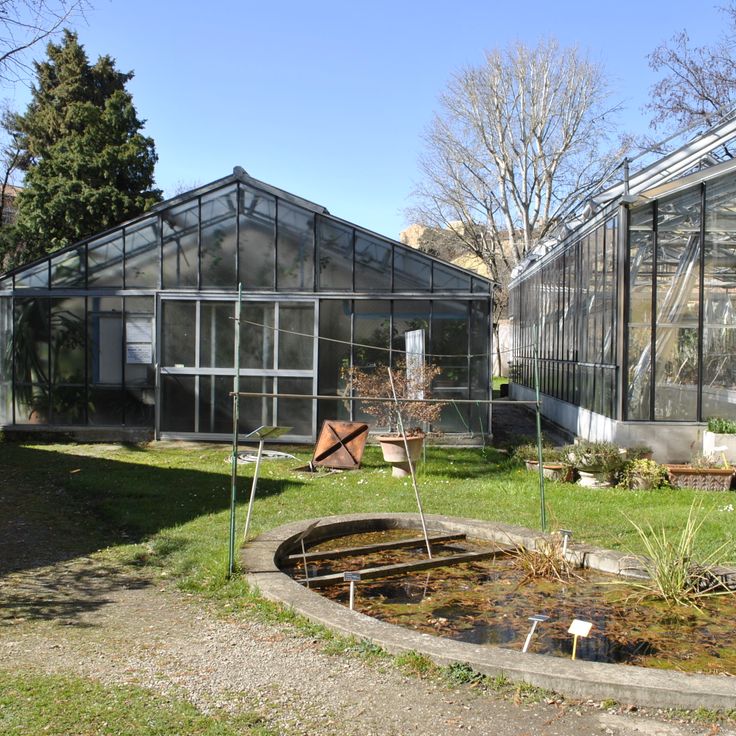
This garden was established in 1568 and contains more than 5000 plant species, including medicinal herbs, tropical specimens and native Italian flora. The grounds sit in the historic center, enclosed by old brick walls. You will find various beds with carefully labeled plants, greenhouses holding exotic species, and shaded paths between the collections. The atmosphere is quiet, with students sometimes sitting on benches to study. The Botanical Garden of the University of Bologna offers a green retreat in the middle of the city and demonstrates the university's botanical tradition.
This church in central Bologna displays baroque architecture and houses a collection of terracotta sculptures from the 15th century. The interior offers a quiet space for viewing altar paintings and religious artwork. The building stands near the central streets and provides an opportunity to photograph baroque details and historical art pieces.
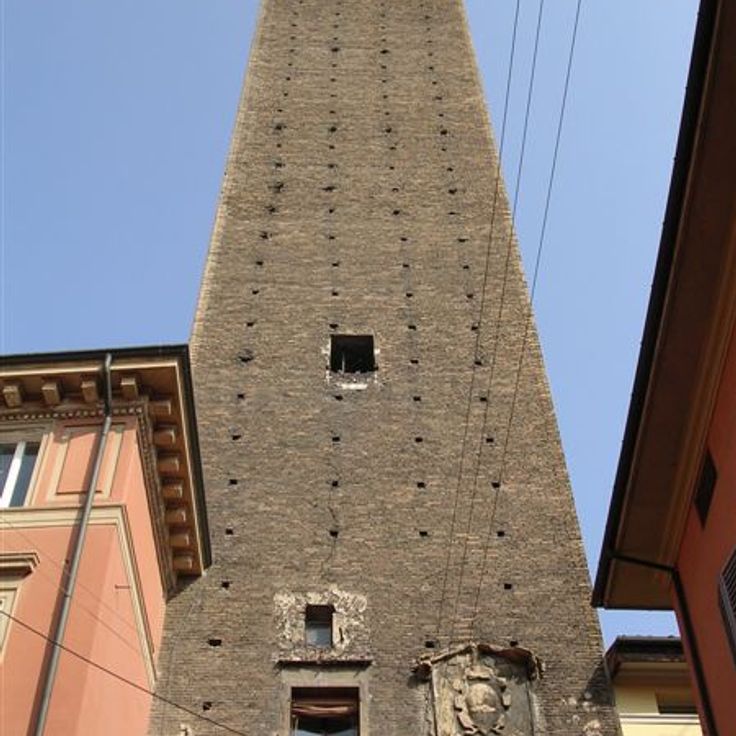
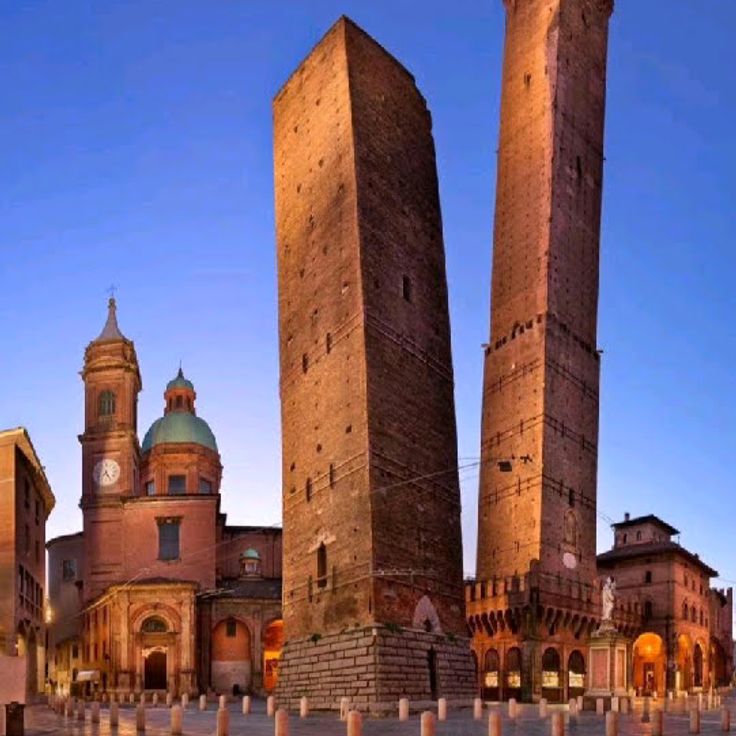
These towers from the 12th century stand at the center of the city and offer a particular angle for photographs of the old town. The Asinelli tower reaches about 318 feet (97 meters) in height, while the Garisenda stands beside it at about 157 feet (48 meters). Both lean slightly to one side, giving them an unusual profile. From here you see the red roofs, the narrow streets, and the structures that define Bologna.
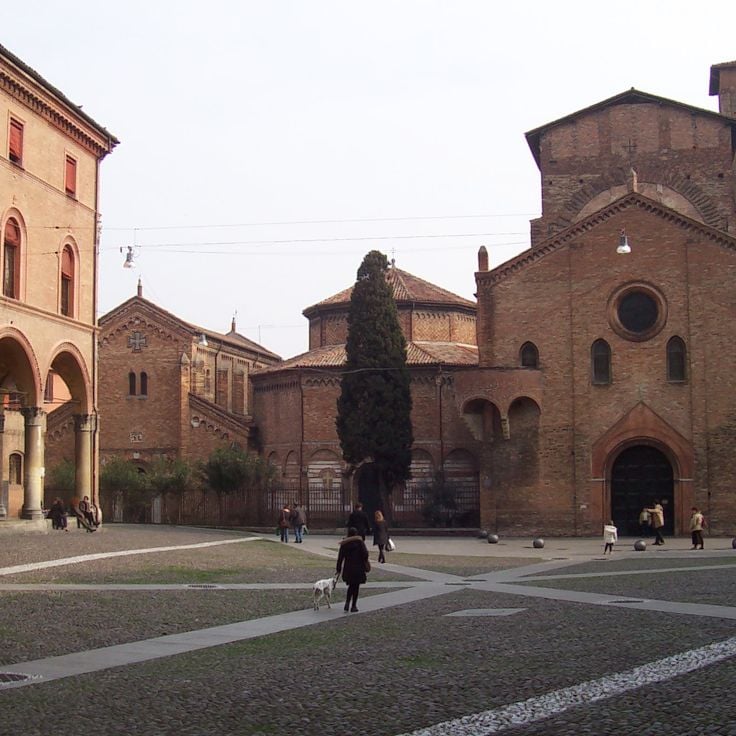
This medieval square sits in central Bologna and offers a quiet setting for photographs. The Santo Stefano Basilica consists of several connected churches that show different periods and building styles. Historic palaces frame the square, and covered walkways provide shade and architectural detail. The square is less crowded than other central spots and allows photography without large groups of people. The Romanesque facades, brick arches, and open layout create a feeling of past centuries. Early morning or late afternoon brings soft light across the old stones and columns.
This university is among the oldest in the world and opens its historical rooms to photographers. The lecture halls display frescoes from medieval times, the anatomical theater is built from wood, and the library preserves books that are centuries old. The architecture combines different periods, from Gothic arches to Renaissance facades. Students and visitors move through corridors once used by scholars and scientists of earlier centuries, creating lively subjects for images of Bologna's academic tradition.
This cathedral offers several photo opportunities in central Bologna. The baroque interior shows marble columns dividing the nave and painted vaulted ceilings above the altars. Side chapels contain paintings from the Renaissance period. Light enters through tall windows and illuminates the architectural details. The 17th-century facade stands on a busy street in the old town.
This palace dates from 1245 and carries the name of King Enzo of Sardinia, who was held here. The Gothic construction shows in the stone walls and arches. Photographers find shadows and angles that connect medieval architecture with the life of the square. The building stands beside the Palazzo del Podestà and forms part of the historical backdrop in the center.
This public garden was built in 1662 over the remains of old fortifications and still shows stone staircases winding through the grounds. Sculptures from the nineteenth century stand among mature trees, and the elevated position offers wide views across the city. Montagnola Park connects history with green space and works well for photographs that link Bologna's natural side with its architectural heritage.
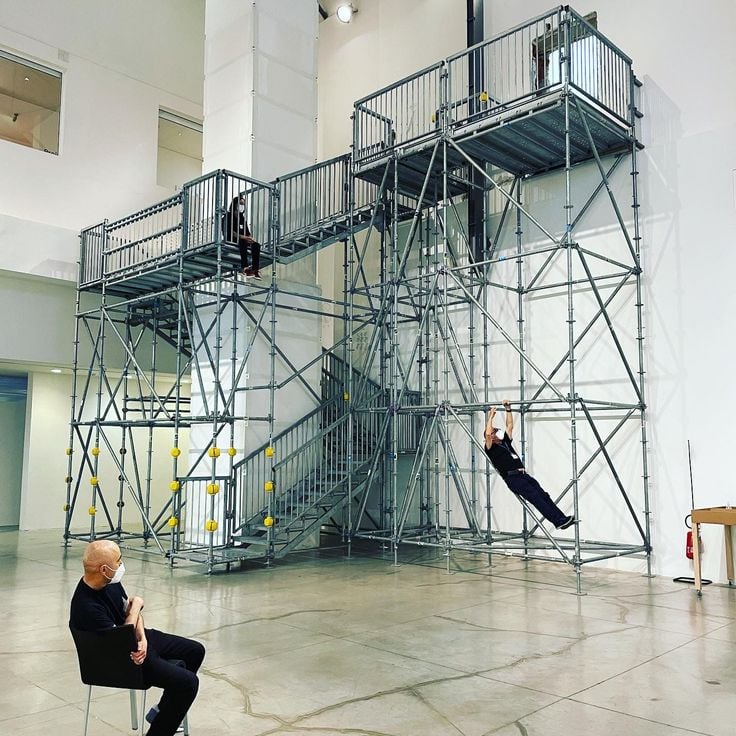
This museum shows Italian painting and sculpture from the 20th century to the present in a former bakery building. The collections focus on postwar art and contemporary experimental works. Temporary exhibitions present installations, video art, and new media. The building itself combines historical industrial architecture with modern exhibition spaces. As part of photo spots in central Bologna, this place offers clean lines, shadows, and open spaces for photographs with a modern character.
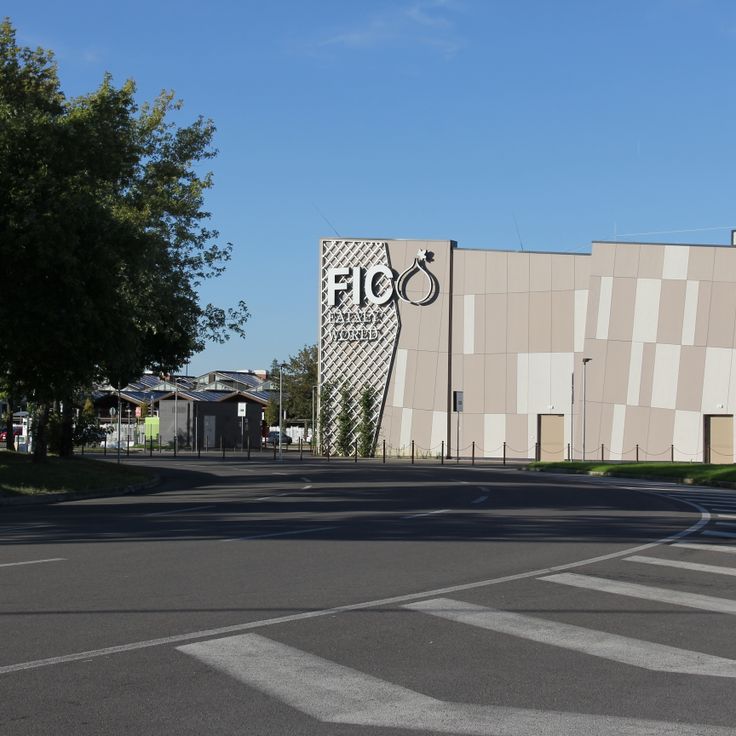
This food park covers a large area and brings together restaurants, markets, and learning spaces focused on Italian cuisine and farming. Located outside Bologna's medieval center, it offers a different kind of photography subject: traditional crafts, fresh produce, and culinary presentations. You can walk among market stalls, open kitchens, and themed sections representing different Italian regions. The mood is busy, with visitors exploring cheese, cured meats, bread, and wine. Modern architecture mixes with rural touches, and light falls through high ceilings onto the displays. For photographers, this place provides a chance to capture Italian food culture in a contemporary setting, far from the towers and arcades of historic Bologna.
This square sits in the city center and forms one of Bologna's green pauses between arcaded streets. Trees provide shade over benches, a fountain defines the central area. The surrounding buildings show historical facades that work well for daylight photography. People use the piazza for rest, children play on the paving stones. From early morning to late afternoon, light shifts across the stonework and leaves. The space serves as a meeting point and connects several routes through the medieval quarter.
This street runs through the historic university district and serves as the heart of student life in Bologna. Old buildings line both sides, many housing cafes, bookshops and university departments. The facades show different periods, from medieval palaces to Renaissance structures. Students move through the street throughout the day, creating a lively and informal atmosphere. Arcades provide shelter from rain and sun. Via Zamboni connects several important university buildings and offers a good starting point for photographing Bologna's central squares and towers.
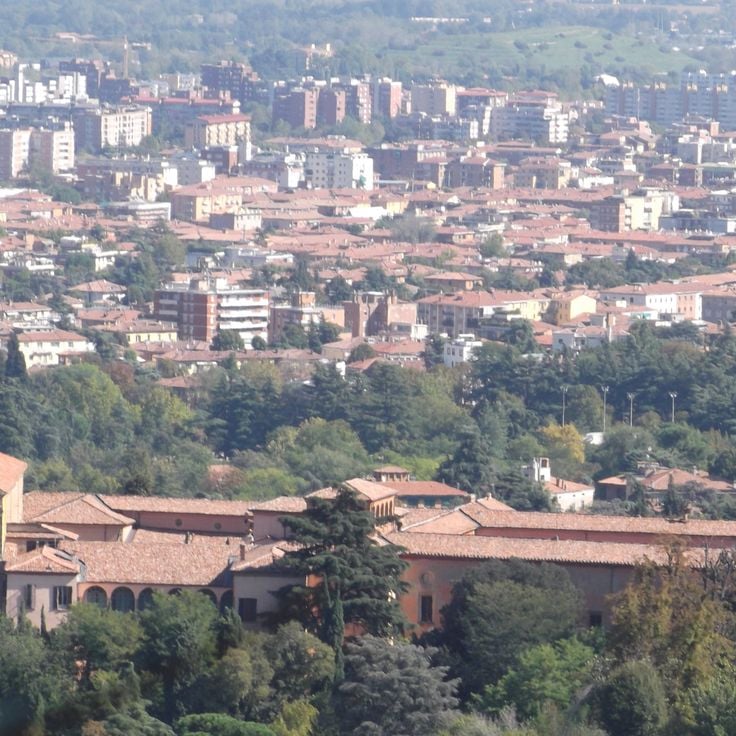
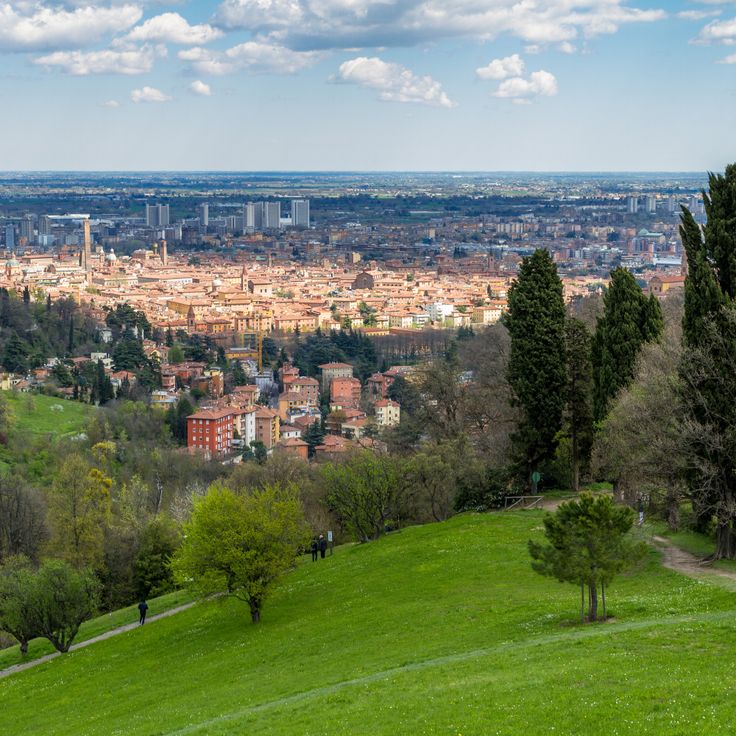
This former monastery sits on a hill outside the city center. From the grounds you can see the entire old town spread below. The red tile roofs, the towers, and the bell towers stand out against the horizon. On clear days the view reaches the hills beyond. The site now serves as a hospital, but the outer areas remain open to visitors. The climb rewards you especially in the late afternoon, when the light softens.
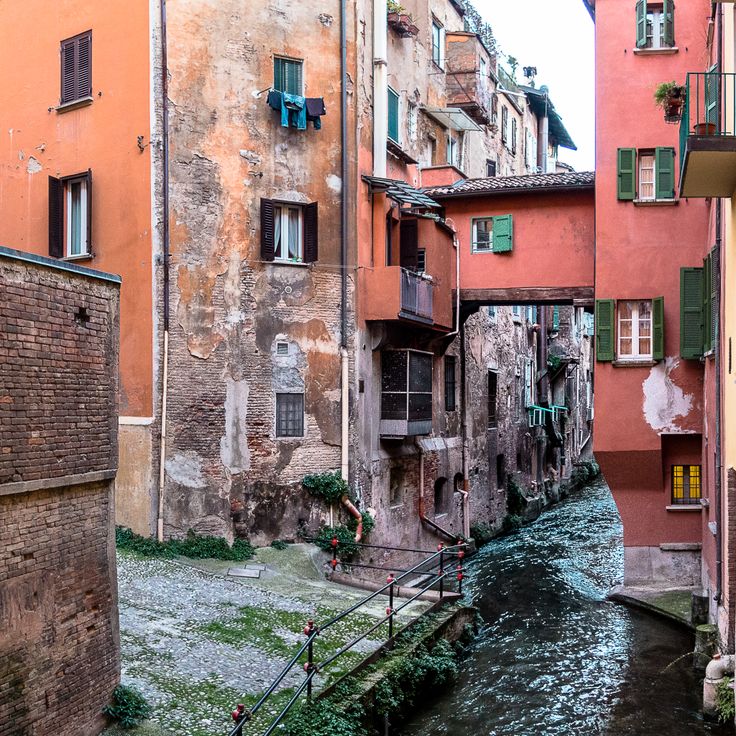
This medieval canal flows between buildings and reveals parts of the old water system in the city. The narrow passages and arches recall a time when mills and workshops relied on the water. Today some sections remain visible and offer views of the waterways that once powered the economy of Bologna. The proximity to the old town makes this canal a witness to history and a subject for photographers who search for hidden corners.
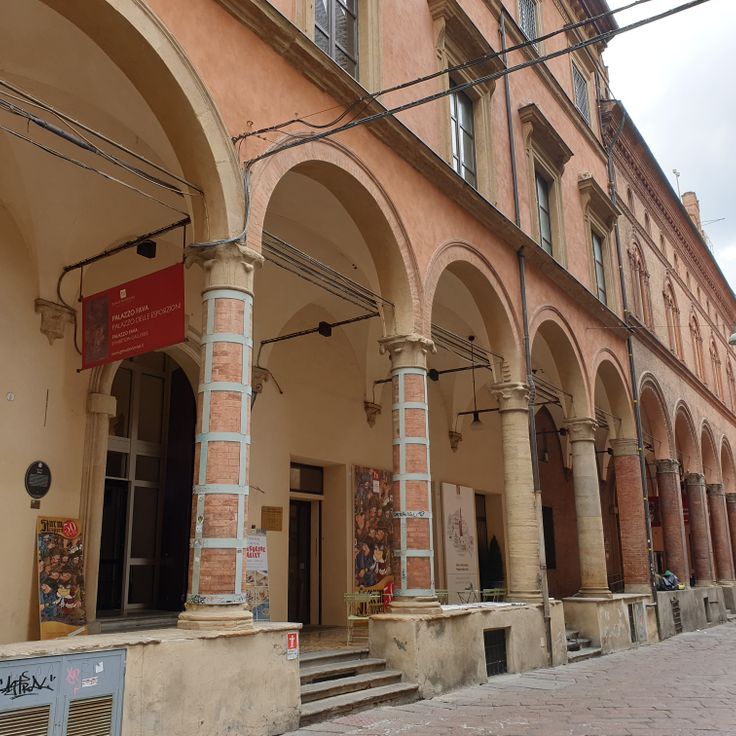
Palazzo Fava is a 16th century palace in central Bologna that serves as an exhibition space and provides a notable backdrop for photography. The interior rooms display frescoes by the Carracci brothers, depicting historical scenes and mythological themes. The halls combine Renaissance architecture with rotating art exhibitions, while the facade facing Via Manzoni shows the typical design of Bolognese noble palaces from that period.
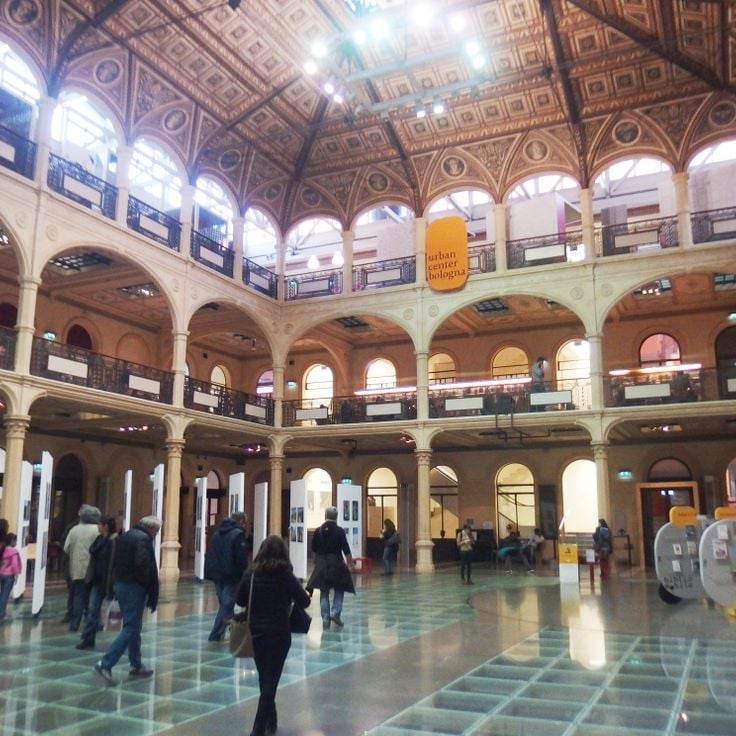
This library occupies a 16th-century building in the heart of the city. The glass floors reveal Roman excavations directly beneath the reading rooms. The combination of historical architecture and modern library facilities creates a particular setting for photographs where ancient ruins and contemporary life overlap.
This city park spreads across several hills and offers old trees, meadows and walking paths. The landscape shows gentle slopes and open areas that work well for photos with natural light. The paths lead through different sections with trees and clear views of the surroundings, creating opportunities for shots with greenery in the foreground.
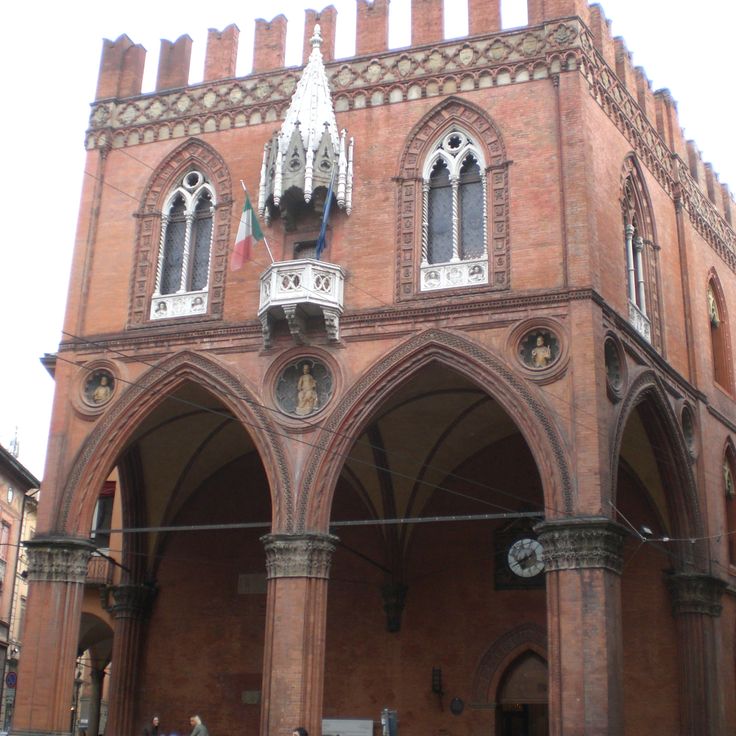
This Gothic commercial building from 1384 shows a facade with terracotta elements and stone ornaments on the exterior wall, typical of the medieval architecture that defines the city center and provides one of the notable backgrounds for photography in central Bologna, reflecting the commercial history of the area near the main squares and covered walkways.
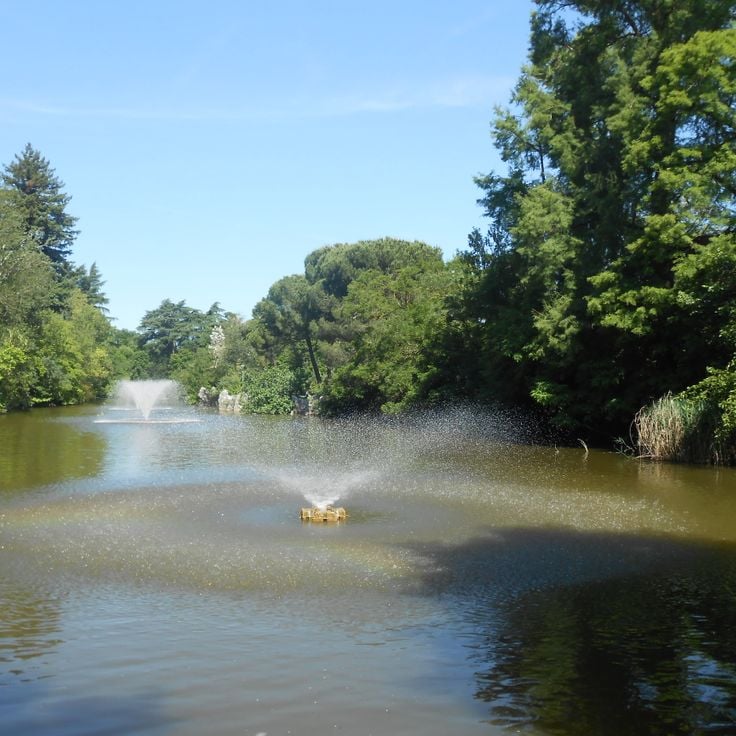
This public park dating from 1879 offers walking paths, ponds and shaded avenues beneath old trees. Locals come here to jog, picnic or simply rest on the lawns. On weekends the pathways fill with families, students and cyclists. The waterways attract ducks and other waterfowl. Small bridges connect different areas while the grass invites people to sit and linger. The park lies slightly beyond the dense center and feels quieter than the old town streets.
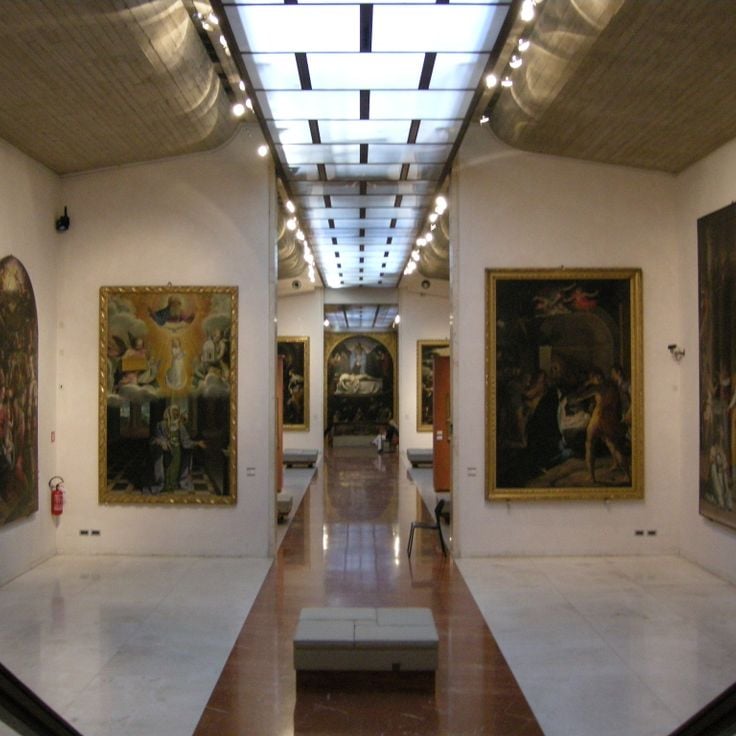
This gallery brings together Italian painting and sculpture from the 13th to the 18th centuries, showing how artistic styles developed across the centuries. The collection includes religious altarpieces, portraits, and decorative works from Emilia-Romagna and other regions. Visitors find examples of late medieval gold-ground panels alongside Renaissance compositions and Baroque canvases. The rooms follow a chronological order, making it possible to trace changes in technique and subject matter. For photographers, the halls offer interesting subjects with their historical frames and natural light from tall windows. The architecture of the building itself fits into the historic cityscape and adds to the photographic perspectives of central Bologna.
This small window in the wall of Via Piella offers a rare view of a medieval water canal that once flowed through Bologna, now a reminder of times when such canals crossed the city and served trade and craft workshops.
This 13th-century church shows Romanesque architecture with two levels of cloisters surrounding the inner courtyard. The crypt houses tombs of university professors and offers a quiet space beneath the church. The arches and columns of the cloisters create interesting photo subjects with light and shadow. The brick walls and open courtyard connect medieval construction with religious history.
This medieval tower rises 60 meters above the streets of Bologna and offers a rare chance to photograph the city from a height few other structures allow. The upper floors now serve as guest rooms, providing views over rooftops and surrounding towers. Long ago, the building functioned as a prison. Its stone walls and narrow windows recall the architecture of the 12th century. Visitors who photograph from here capture the density of the historic center and the layered skyline that defines Bologna.
This square forms the heart of the city and gathers locals and travelers daily under open skies. The Basilica of San Petronio rises on one side with its unfinished facade of red brick and white marble. Medieval palaces surround the paved expanse, where people meet for conversation or rest on the steps. For photographers, Piazza Maggiore offers perspectives on historic buildings, arcades, and urban life among the old walls.
This Renaissance fountain from 1566 features a bronze Neptune figure standing on a pedestal, surrounded by water-spouting dolphins. The composition offers a historical backdrop for photography in Bologna's city center, where architecture and public squares provide opportunities for visual documentation.
This covered walkway extends for several kilometers from the city center to San Luca basilica on a hilltop, offering a perspective on Bologna. The arches form a sheltered path that winds through streets, parks, and vineyards. Locals use the portico for jogging, walking, or making pilgrimages to the church. The structure was built over several centuries and shows different architectural styles. On sunny days, light filters through the arches and creates patterns on the pavement. The climb is long but never steep, and views gradually open over the city and surrounding hills.
This 16th century palace houses an anatomical theater with carved wooden details, a library decorated with Renaissance frescoes, and walls covered with over 35,000 coats of arms of former students. The halls display portraits, sculptures, and ornamental elements that reflect Bologna's academic history. The courtyard and staircases connect different levels of the building. The theater was used for medical lectures, while the library served as the center of university life for centuries. The architecture combines function with artistic design, offering photographers insight into the city's historical education tradition.
This basilica is a medieval compound of four interconnected churches built between the 8th and 13th centuries. The buildings show Romanesque architecture with thick stone walls, rounded arches, and quiet courtyards. Inside, you find old relics, mosaics, and burial sites. Light comes through small windows and creates soft shadows on the columns. Visitors walk through the different chapels and notice how each room has its own mood. The compound sits on an open square in the historic center and offers photographers subjects with old stone, arches, and views through the connected church spaces.
This sanctuary stands on a wooded hill outside the city and is connected to the center by a covered walkway nearly four kilometers long. The church dates from the 18th century and houses a revered image of the Madonna. From its terrace, you can see Bologna and the surrounding plain spread out below. The long arcade passes through fields and vineyards before climbing the slope. Pilgrims and visitors walk this route on foot, and the ascent often becomes a chance to pause for conversation or rest. The church itself shows baroque forms with a large dome, and services are held regularly inside. On Sundays and holidays, families from the city come to make the walk and enjoy the quiet of the surroundings. This place is a popular destination for photographers who want to capture the interplay of landscape, architecture, and the long sheltered path.
This historic palace presents scientific instruments, anatomical models, and natural history specimens from the 16th to 18th centuries. The collections provide background for photographs that show the city's scientific heritage, and fit into the university's historic architecture that offers many photo subjects in the old town center.
This garden was established in 1568 and contains more than 5000 plant species, including medicinal herbs, tropical specimens and native Italian flora. The grounds sit in the historic center, enclosed by old brick walls. You will find various beds with carefully labeled plants, greenhouses holding exotic species, and shaded paths between the collections. The atmosphere is quiet, with students sometimes sitting on benches to study. The Botanical Garden of the University of Bologna offers a green retreat in the middle of the city and demonstrates the university's botanical tradition.
This church in central Bologna displays baroque architecture and houses a collection of terracotta sculptures from the 15th century. The interior offers a quiet space for viewing altar paintings and religious artwork. The building stands near the central streets and provides an opportunity to photograph baroque details and historical art pieces.
These towers from the 12th century stand at the center of the city and offer a particular angle for photographs of the old town. The Asinelli tower reaches about 318 feet (97 meters) in height, while the Garisenda stands beside it at about 157 feet (48 meters). Both lean slightly to one side, giving them an unusual profile. From here you see the red roofs, the narrow streets, and the structures that define Bologna.
This medieval square sits in central Bologna and offers a quiet setting for photographs. The Santo Stefano Basilica consists of several connected churches that show different periods and building styles. Historic palaces frame the square, and covered walkways provide shade and architectural detail. The square is less crowded than other central spots and allows photography without large groups of people. The Romanesque facades, brick arches, and open layout create a feeling of past centuries. Early morning or late afternoon brings soft light across the old stones and columns.
This university is among the oldest in the world and opens its historical rooms to photographers. The lecture halls display frescoes from medieval times, the anatomical theater is built from wood, and the library preserves books that are centuries old. The architecture combines different periods, from Gothic arches to Renaissance facades. Students and visitors move through corridors once used by scholars and scientists of earlier centuries, creating lively subjects for images of Bologna's academic tradition.
This cathedral offers several photo opportunities in central Bologna. The baroque interior shows marble columns dividing the nave and painted vaulted ceilings above the altars. Side chapels contain paintings from the Renaissance period. Light enters through tall windows and illuminates the architectural details. The 17th-century facade stands on a busy street in the old town.
This palace dates from 1245 and carries the name of King Enzo of Sardinia, who was held here. The Gothic construction shows in the stone walls and arches. Photographers find shadows and angles that connect medieval architecture with the life of the square. The building stands beside the Palazzo del Podestà and forms part of the historical backdrop in the center.
This public garden was built in 1662 over the remains of old fortifications and still shows stone staircases winding through the grounds. Sculptures from the nineteenth century stand among mature trees, and the elevated position offers wide views across the city. Montagnola Park connects history with green space and works well for photographs that link Bologna's natural side with its architectural heritage.
This museum shows Italian painting and sculpture from the 20th century to the present in a former bakery building. The collections focus on postwar art and contemporary experimental works. Temporary exhibitions present installations, video art, and new media. The building itself combines historical industrial architecture with modern exhibition spaces. As part of photo spots in central Bologna, this place offers clean lines, shadows, and open spaces for photographs with a modern character.
This food park covers a large area and brings together restaurants, markets, and learning spaces focused on Italian cuisine and farming. Located outside Bologna's medieval center, it offers a different kind of photography subject: traditional crafts, fresh produce, and culinary presentations. You can walk among market stalls, open kitchens, and themed sections representing different Italian regions. The mood is busy, with visitors exploring cheese, cured meats, bread, and wine. Modern architecture mixes with rural touches, and light falls through high ceilings onto the displays. For photographers, this place provides a chance to capture Italian food culture in a contemporary setting, far from the towers and arcades of historic Bologna.
This square sits in the city center and forms one of Bologna's green pauses between arcaded streets. Trees provide shade over benches, a fountain defines the central area. The surrounding buildings show historical facades that work well for daylight photography. People use the piazza for rest, children play on the paving stones. From early morning to late afternoon, light shifts across the stonework and leaves. The space serves as a meeting point and connects several routes through the medieval quarter.
This street runs through the historic university district and serves as the heart of student life in Bologna. Old buildings line both sides, many housing cafes, bookshops and university departments. The facades show different periods, from medieval palaces to Renaissance structures. Students move through the street throughout the day, creating a lively and informal atmosphere. Arcades provide shelter from rain and sun. Via Zamboni connects several important university buildings and offers a good starting point for photographing Bologna's central squares and towers.
This former monastery sits on a hill outside the city center. From the grounds you can see the entire old town spread below. The red tile roofs, the towers, and the bell towers stand out against the horizon. On clear days the view reaches the hills beyond. The site now serves as a hospital, but the outer areas remain open to visitors. The climb rewards you especially in the late afternoon, when the light softens.
This medieval canal flows between buildings and reveals parts of the old water system in the city. The narrow passages and arches recall a time when mills and workshops relied on the water. Today some sections remain visible and offer views of the waterways that once powered the economy of Bologna. The proximity to the old town makes this canal a witness to history and a subject for photographers who search for hidden corners.
Palazzo Fava is a 16th century palace in central Bologna that serves as an exhibition space and provides a notable backdrop for photography. The interior rooms display frescoes by the Carracci brothers, depicting historical scenes and mythological themes. The halls combine Renaissance architecture with rotating art exhibitions, while the facade facing Via Manzoni shows the typical design of Bolognese noble palaces from that period.
This library occupies a 16th-century building in the heart of the city. The glass floors reveal Roman excavations directly beneath the reading rooms. The combination of historical architecture and modern library facilities creates a particular setting for photographs where ancient ruins and contemporary life overlap.
This city park spreads across several hills and offers old trees, meadows and walking paths. The landscape shows gentle slopes and open areas that work well for photos with natural light. The paths lead through different sections with trees and clear views of the surroundings, creating opportunities for shots with greenery in the foreground.
This Gothic commercial building from 1384 shows a facade with terracotta elements and stone ornaments on the exterior wall, typical of the medieval architecture that defines the city center and provides one of the notable backgrounds for photography in central Bologna, reflecting the commercial history of the area near the main squares and covered walkways.
This public park dating from 1879 offers walking paths, ponds and shaded avenues beneath old trees. Locals come here to jog, picnic or simply rest on the lawns. On weekends the pathways fill with families, students and cyclists. The waterways attract ducks and other waterfowl. Small bridges connect different areas while the grass invites people to sit and linger. The park lies slightly beyond the dense center and feels quieter than the old town streets.
This gallery brings together Italian painting and sculpture from the 13th to the 18th centuries, showing how artistic styles developed across the centuries. The collection includes religious altarpieces, portraits, and decorative works from Emilia-Romagna and other regions. Visitors find examples of late medieval gold-ground panels alongside Renaissance compositions and Baroque canvases. The rooms follow a chronological order, making it possible to trace changes in technique and subject matter. For photographers, the halls offer interesting subjects with their historical frames and natural light from tall windows. The architecture of the building itself fits into the historic cityscape and adds to the photographic perspectives of central Bologna.
This small window in the wall of Via Piella offers a rare view of a medieval water canal that once flowed through Bologna, now a reminder of times when such canals crossed the city and served trade and craft workshops.
This 13th-century church shows Romanesque architecture with two levels of cloisters surrounding the inner courtyard. The crypt houses tombs of university professors and offers a quiet space beneath the church. The arches and columns of the cloisters create interesting photo subjects with light and shadow. The brick walls and open courtyard connect medieval construction with religious history.
This medieval tower rises 60 meters above the streets of Bologna and offers a rare chance to photograph the city from a height few other structures allow. The upper floors now serve as guest rooms, providing views over rooftops and surrounding towers. Long ago, the building functioned as a prison. Its stone walls and narrow windows recall the architecture of the 12th century. Visitors who photograph from here capture the density of the historic center and the layered skyline that defines Bologna.
This square forms the heart of the city and gathers locals and travelers daily under open skies. The Basilica of San Petronio rises on one side with its unfinished facade of red brick and white marble. Medieval palaces surround the paved expanse, where people meet for conversation or rest on the steps. For photographers, Piazza Maggiore offers perspectives on historic buildings, arcades, and urban life among the old walls.
This Renaissance fountain from 1566 features a bronze Neptune figure standing on a pedestal, surrounded by water-spouting dolphins. The composition offers a historical backdrop for photography in Bologna's city center, where architecture and public squares provide opportunities for visual documentation.
This covered walkway extends for several kilometers from the city center to San Luca basilica on a hilltop, offering a perspective on Bologna. The arches form a sheltered path that winds through streets, parks, and vineyards. Locals use the portico for jogging, walking, or making pilgrimages to the church. The structure was built over several centuries and shows different architectural styles. On sunny days, light filters through the arches and creates patterns on the pavement. The climb is long but never steep, and views gradually open over the city and surrounding hills.
This 16th century palace houses an anatomical theater with carved wooden details, a library decorated with Renaissance frescoes, and walls covered with over 35,000 coats of arms of former students. The halls display portraits, sculptures, and ornamental elements that reflect Bologna's academic history. The courtyard and staircases connect different levels of the building. The theater was used for medical lectures, while the library served as the center of university life for centuries. The architecture combines function with artistic design, offering photographers insight into the city's historical education tradition.
This basilica is a medieval compound of four interconnected churches built between the 8th and 13th centuries. The buildings show Romanesque architecture with thick stone walls, rounded arches, and quiet courtyards. Inside, you find old relics, mosaics, and burial sites. Light comes through small windows and creates soft shadows on the columns. Visitors walk through the different chapels and notice how each room has its own mood. The compound sits on an open square in the historic center and offers photographers subjects with old stone, arches, and views through the connected church spaces.
This sanctuary stands on a wooded hill outside the city and is connected to the center by a covered walkway nearly four kilometers long. The church dates from the 18th century and houses a revered image of the Madonna. From its terrace, you can see Bologna and the surrounding plain spread out below. The long arcade passes through fields and vineyards before climbing the slope. Pilgrims and visitors walk this route on foot, and the ascent often becomes a chance to pause for conversation or rest. The church itself shows baroque forms with a large dome, and services are held regularly inside. On Sundays and holidays, families from the city come to make the walk and enjoy the quiet of the surroundings. This place is a popular destination for photographers who want to capture the interplay of landscape, architecture, and the long sheltered path.
This historic palace presents scientific instruments, anatomical models, and natural history specimens from the 16th to 18th centuries. The collections provide background for photographs that show the city's scientific heritage, and fit into the university's historic architecture that offers many photo subjects in the old town center.
This garden was established in 1568 and contains more than 5000 plant species, including medicinal herbs, tropical specimens and native Italian flora. The grounds sit in the historic center, enclosed by old brick walls. You will find various beds with carefully labeled plants, greenhouses holding exotic species, and shaded paths between the collections. The atmosphere is quiet, with students sometimes sitting on benches to study. The Botanical Garden of the University of Bologna offers a green retreat in the middle of the city and demonstrates the university's botanical tradition.
This church in central Bologna displays baroque architecture and houses a collection of terracotta sculptures from the 15th century. The interior offers a quiet space for viewing altar paintings and religious artwork. The building stands near the central streets and provides an opportunity to photograph baroque details and historical art pieces.
These towers from the 12th century stand at the center of the city and offer a particular angle for photographs of the old town. The Asinelli tower reaches about 318 feet (97 meters) in height, while the Garisenda stands beside it at about 157 feet (48 meters). Both lean slightly to one side, giving them an unusual profile. From here you see the red roofs, the narrow streets, and the structures that define Bologna.
This medieval square sits in central Bologna and offers a quiet setting for photographs. The Santo Stefano Basilica consists of several connected churches that show different periods and building styles. Historic palaces frame the square, and covered walkways provide shade and architectural detail. The square is less crowded than other central spots and allows photography without large groups of people. The Romanesque facades, brick arches, and open layout create a feeling of past centuries. Early morning or late afternoon brings soft light across the old stones and columns.
This university is among the oldest in the world and opens its historical rooms to photographers. The lecture halls display frescoes from medieval times, the anatomical theater is built from wood, and the library preserves books that are centuries old. The architecture combines different periods, from Gothic arches to Renaissance facades. Students and visitors move through corridors once used by scholars and scientists of earlier centuries, creating lively subjects for images of Bologna's academic tradition.
This cathedral offers several photo opportunities in central Bologna. The baroque interior shows marble columns dividing the nave and painted vaulted ceilings above the altars. Side chapels contain paintings from the Renaissance period. Light enters through tall windows and illuminates the architectural details. The 17th-century facade stands on a busy street in the old town.
This palace dates from 1245 and carries the name of King Enzo of Sardinia, who was held here. The Gothic construction shows in the stone walls and arches. Photographers find shadows and angles that connect medieval architecture with the life of the square. The building stands beside the Palazzo del Podestà and forms part of the historical backdrop in the center.
This public garden was built in 1662 over the remains of old fortifications and still shows stone staircases winding through the grounds. Sculptures from the nineteenth century stand among mature trees, and the elevated position offers wide views across the city. Montagnola Park connects history with green space and works well for photographs that link Bologna's natural side with its architectural heritage.
This museum shows Italian painting and sculpture from the 20th century to the present in a former bakery building. The collections focus on postwar art and contemporary experimental works. Temporary exhibitions present installations, video art, and new media. The building itself combines historical industrial architecture with modern exhibition spaces. As part of photo spots in central Bologna, this place offers clean lines, shadows, and open spaces for photographs with a modern character.
This food park covers a large area and brings together restaurants, markets, and learning spaces focused on Italian cuisine and farming. Located outside Bologna's medieval center, it offers a different kind of photography subject: traditional crafts, fresh produce, and culinary presentations. You can walk among market stalls, open kitchens, and themed sections representing different Italian regions. The mood is busy, with visitors exploring cheese, cured meats, bread, and wine. Modern architecture mixes with rural touches, and light falls through high ceilings onto the displays. For photographers, this place provides a chance to capture Italian food culture in a contemporary setting, far from the towers and arcades of historic Bologna.
This square sits in the city center and forms one of Bologna's green pauses between arcaded streets. Trees provide shade over benches, a fountain defines the central area. The surrounding buildings show historical facades that work well for daylight photography. People use the piazza for rest, children play on the paving stones. From early morning to late afternoon, light shifts across the stonework and leaves. The space serves as a meeting point and connects several routes through the medieval quarter.
This street runs through the historic university district and serves as the heart of student life in Bologna. Old buildings line both sides, many housing cafes, bookshops and university departments. The facades show different periods, from medieval palaces to Renaissance structures. Students move through the street throughout the day, creating a lively and informal atmosphere. Arcades provide shelter from rain and sun. Via Zamboni connects several important university buildings and offers a good starting point for photographing Bologna's central squares and towers.
This former monastery sits on a hill outside the city center. From the grounds you can see the entire old town spread below. The red tile roofs, the towers, and the bell towers stand out against the horizon. On clear days the view reaches the hills beyond. The site now serves as a hospital, but the outer areas remain open to visitors. The climb rewards you especially in the late afternoon, when the light softens.
This medieval canal flows between buildings and reveals parts of the old water system in the city. The narrow passages and arches recall a time when mills and workshops relied on the water. Today some sections remain visible and offer views of the waterways that once powered the economy of Bologna. The proximity to the old town makes this canal a witness to history and a subject for photographers who search for hidden corners.
Palazzo Fava is a 16th century palace in central Bologna that serves as an exhibition space and provides a notable backdrop for photography. The interior rooms display frescoes by the Carracci brothers, depicting historical scenes and mythological themes. The halls combine Renaissance architecture with rotating art exhibitions, while the facade facing Via Manzoni shows the typical design of Bolognese noble palaces from that period.
This library occupies a 16th-century building in the heart of the city. The glass floors reveal Roman excavations directly beneath the reading rooms. The combination of historical architecture and modern library facilities creates a particular setting for photographs where ancient ruins and contemporary life overlap.
This city park spreads across several hills and offers old trees, meadows and walking paths. The landscape shows gentle slopes and open areas that work well for photos with natural light. The paths lead through different sections with trees and clear views of the surroundings, creating opportunities for shots with greenery in the foreground.
This Gothic commercial building from 1384 shows a facade with terracotta elements and stone ornaments on the exterior wall, typical of the medieval architecture that defines the city center and provides one of the notable backgrounds for photography in central Bologna, reflecting the commercial history of the area near the main squares and covered walkways.
This public park dating from 1879 offers walking paths, ponds and shaded avenues beneath old trees. Locals come here to jog, picnic or simply rest on the lawns. On weekends the pathways fill with families, students and cyclists. The waterways attract ducks and other waterfowl. Small bridges connect different areas while the grass invites people to sit and linger. The park lies slightly beyond the dense center and feels quieter than the old town streets.
This gallery brings together Italian painting and sculpture from the 13th to the 18th centuries, showing how artistic styles developed across the centuries. The collection includes religious altarpieces, portraits, and decorative works from Emilia-Romagna and other regions. Visitors find examples of late medieval gold-ground panels alongside Renaissance compositions and Baroque canvases. The rooms follow a chronological order, making it possible to trace changes in technique and subject matter. For photographers, the halls offer interesting subjects with their historical frames and natural light from tall windows. The architecture of the building itself fits into the historic cityscape and adds to the photographic perspectives of central Bologna.
This small window in the wall of Via Piella offers a rare view of a medieval water canal that once flowed through Bologna, now a reminder of times when such canals crossed the city and served trade and craft workshops.
This 13th-century church shows Romanesque architecture with two levels of cloisters surrounding the inner courtyard. The crypt houses tombs of university professors and offers a quiet space beneath the church. The arches and columns of the cloisters create interesting photo subjects with light and shadow. The brick walls and open courtyard connect medieval construction with religious history.
This medieval tower rises 60 meters above the streets of Bologna and offers a rare chance to photograph the city from a height few other structures allow. The upper floors now serve as guest rooms, providing views over rooftops and surrounding towers. Long ago, the building functioned as a prison. Its stone walls and narrow windows recall the architecture of the 12th century. Visitors who photograph from here capture the density of the historic center and the layered skyline that defines Bologna.