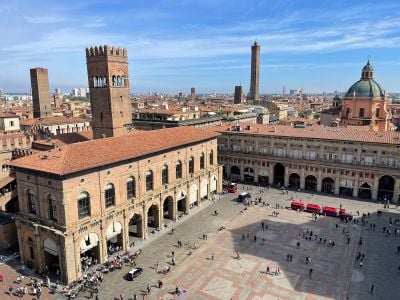
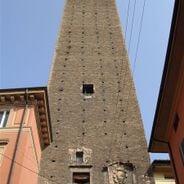
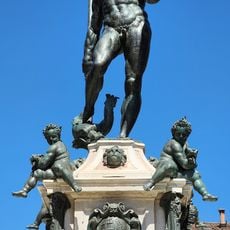
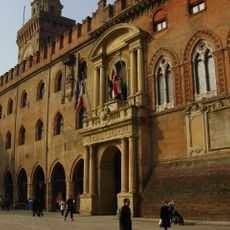
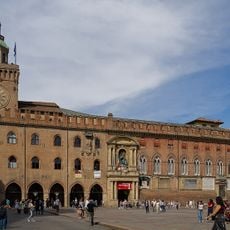
Piazza Maggiore, Main square in Bologna, Italy
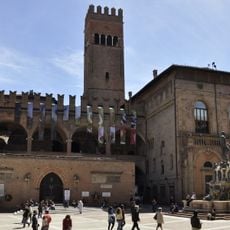
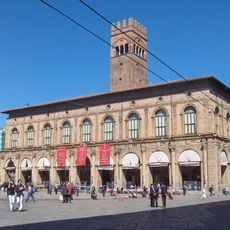
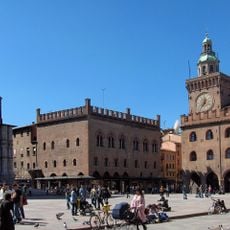
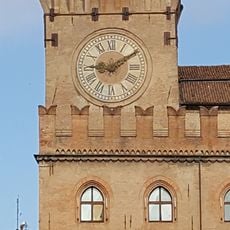
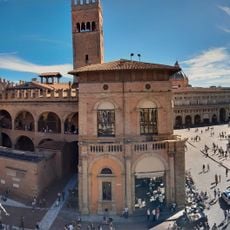
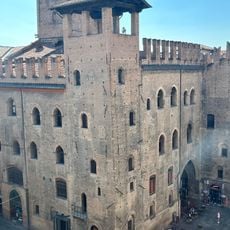
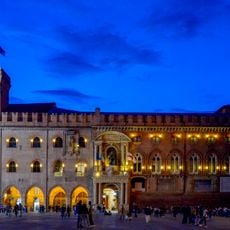
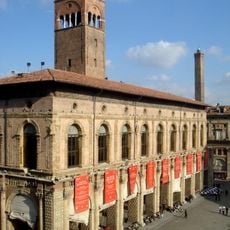
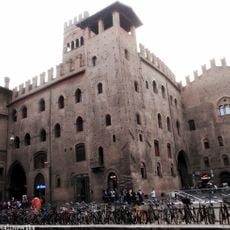
Piazza Maggiore is a 115-metre-long and 60-metre-wide square in Bologna, bordered by the Palazzo del Podestà to the north, the Palazzo Comunale to the west, the unfinished brick facade of the Basilica di San Petronio to the south, and the Palazzo dei Banchi to the east. Its centre holds a raised granite platform, the crescentone, built in 1934.
Piazza Maggiore was laid out from 1200, when Bologna's commune bought and demolished the houses and towers on the site to create a market square. It is among the first squares built in Italy after the fall of the Roman Empire. The present shape dates to the 15th century, and in the 16th century Cardinal Legate Carlo Borromeo had the area reordered, with Piazza del Nettuno and the Archiginnasio added. Named after Vittorio Emanuele II in 1860, it became Piazza della Repubblica in 1943 and took its current name in June 1945.
Locals gather on its pavement for street performances, student meetings, and evening walks that animate the space year-round. The name comes from the Latin maior, indicating that this has been the city's most important public space for centuries.
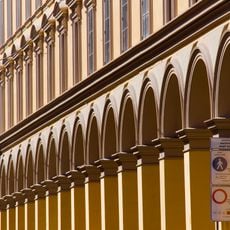
Several bus lines stop nearby and connect the square with other parts of the city. Cafés and restaurants under the arcades offer places to rest and watch the activity.
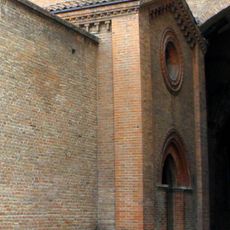
The facade of the basilica was originally planned to be clad in marble, but work stopped in the 16th century and never resumed. The exposed brick has since defined the appearance of the entire southern side of the square.
The community of curious travelers
AroundUs brings together thousands of curated places, local tips, and hidden gems, enriched daily by 93,623 contributors worldwide.