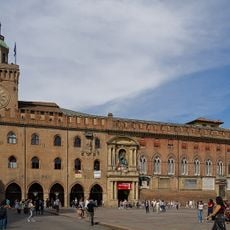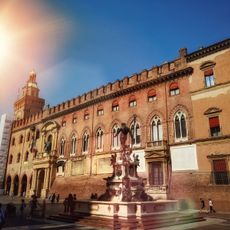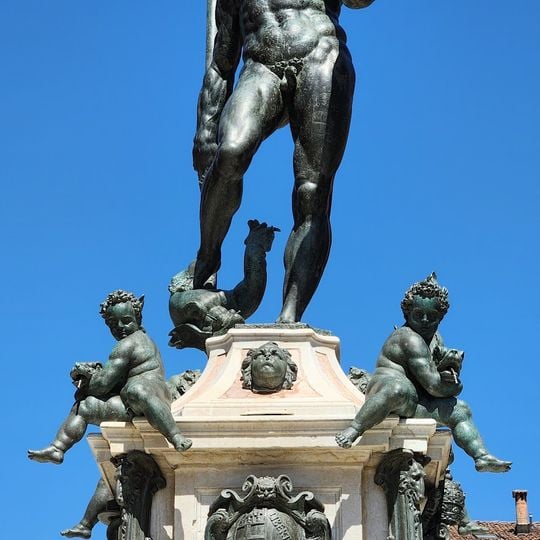
Fountain of Neptune, Bologna, Renaissance fountain in Piazza del Nettuno, Bologna, Italy
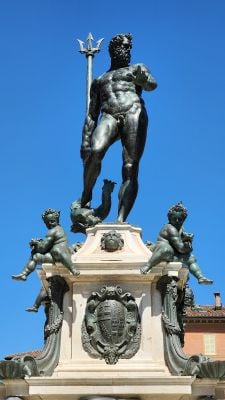
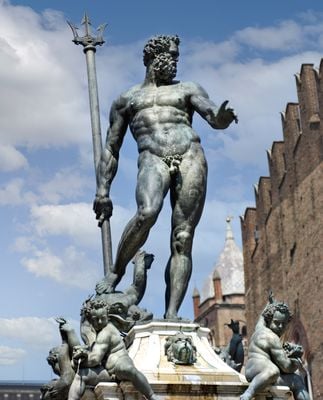
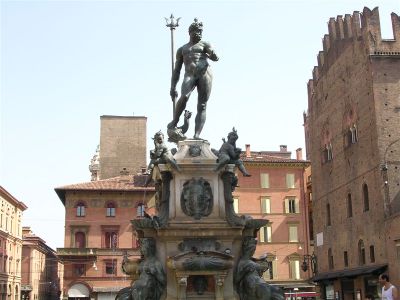
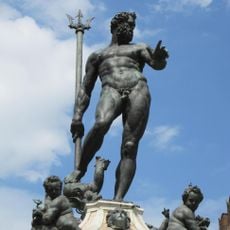
The Fountain of Neptune stands on Piazza del Nettuno and displays a large bronze statue of the sea god rising from a marble base. Surrounding the main figure are four female water-spouting figures and several cherubs holding dolphins that create additional water features.
The project was commissioned in 1563 by Cardinal Charles Borromeo to honor Pope Pius IV and required the demolition of existing structures on the plaza. The fountain later became an iconic symbol of Renaissance architecture in Bologna.
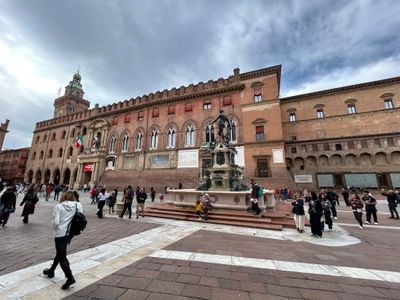
The name Neptune refers to the Roman sea god, whose powerful figure dominates the fountain and symbolizes Bologna's historical connection to water management and trade. Locals and visitors gather around the statue, making the plaza a vibrant social gathering space in the city center.
The fountain is easily accessible on the plaza and serves as a helpful orientation point when exploring the city center. Since the plaza is always busy, visiting early in the morning or late in the evening offers a quieter experience.
The trident symbol held by the sea god later inspired the logo of Maserati automobiles, creating a surprising link between this ancient statue and modern Italian industry. This connection shows how Renaissance artworks influenced Italian culture across centuries.
Location: Bologna
Inception: 16 century
Architects: Bartolomeo Ammannati
Creator: Giambologna
Accessibility: Wheelchair inaccessible
Address: Piazza del Nettuno - Bologna
Phone: +390516583111
Website: http://nettuno.comune.bologna.it
GPS coordinates: 44.49422,11.34265
Latest update: December 6, 2025 16:00
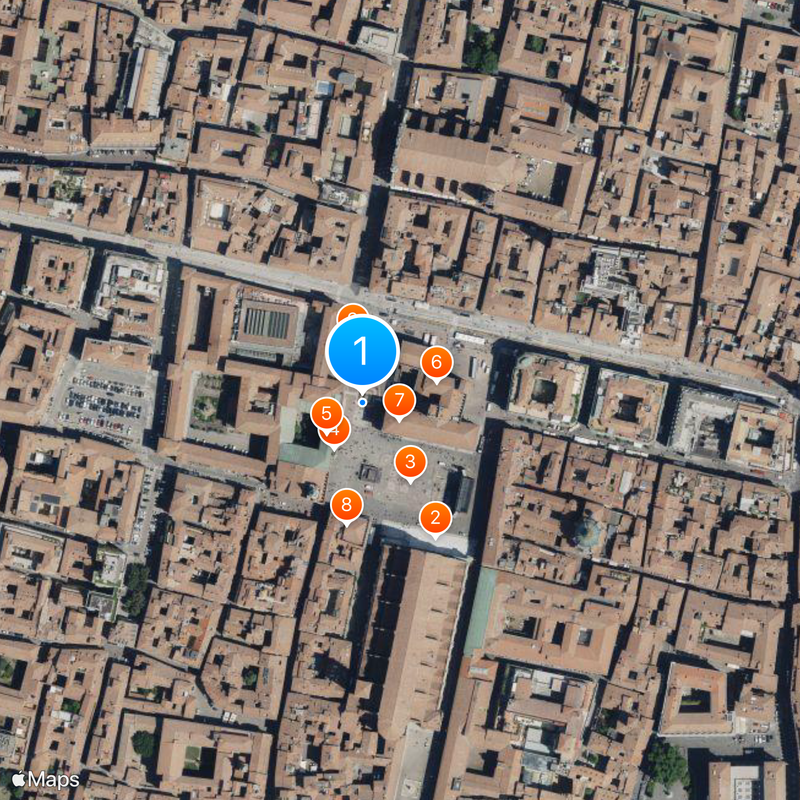
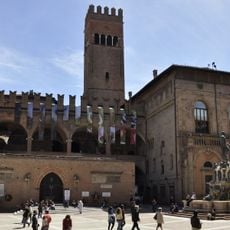
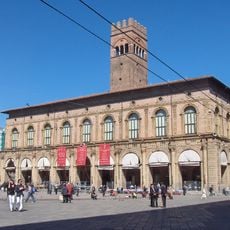
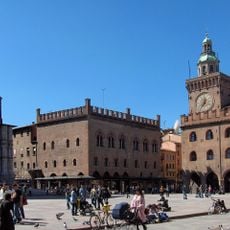
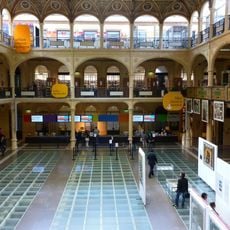
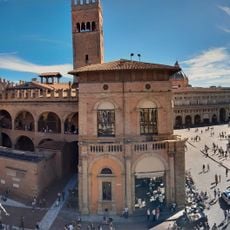
Bologna offers many photography subjects, from medieval towers to Renaissance palaces. The covered arcades stretch for miles, connecting squares, churches, and historic buildings. The Neptune Fountain stands beside Piazza Maggiore, the heart of the city. The Two Towers rise above the streets and have been landmarks for centuries. Santo Stefano Basilica consists of several connected churches, while the Sanctuary of the Madonna of San Luca sits on a hill, reached by one of the longest porticoes in the world. The university district shows buildings from medieval and Renaissance periods, including the Archiginnasio with its anatomical theater. The botanical garden provides a quiet green space, and parks like Giardini Margherita and Montagnola Park offer places to rest. Smaller discoveries like the window on Via Piella give views of the Moline canal. Palaces, libraries, and museums complete the photographic range of this city that has kept its historic character.
San Petronio Basilica
106 m
Piazza Maggiore
64 m
Palazzo d'Accursio
38 m
Palazzo Re Enzo
53 m
Palazzo del Podestà
28 m
Biblioteca Salaborsa
114 m
Palazzo dei Banchi
133 m
Porta Magna - San Petronio
112 m
Palazzo dei Notai
85 m
Sala Borsa
45 m
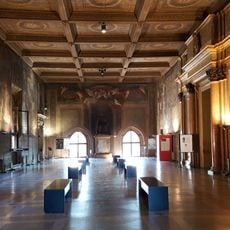
Farnese room
70 m
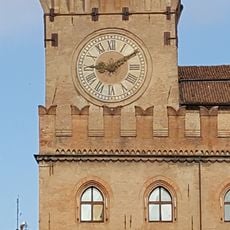
Torre dell'Orologio
76 m
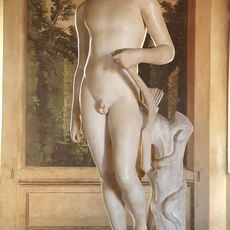
Apollino by Antonio Canova
74 m
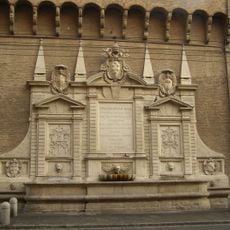
Fontana Vecchia
93 m
Bologna City Art Collections
48 m
Lambertini tower
72 m
Palazzo D' Accursio comunale
33 m
Palazzo Ronzani
126 m
Palazzina Majani, Bologna
120 m
Torre degli Scappi
104 m
Sala Urbana
74 m
Torre dell'Arengo
28 m
Torre dei Ramponi
101 m
Torre dei Lapi
135 m
Voltone del Podestà
49 m
Formelle del Portico del Podestà
35 m
Portici di via Indipendenza
87 m
Palazzo del Capitano del Popolo e Torre dei Lambertini
92 mReviews
Visited this place? Tap the stars to rate it and share your experience / photos with the community! Try now! You can cancel it anytime.
Discover hidden gems everywhere you go!
From secret cafés to breathtaking viewpoints, skip the crowded tourist spots and find places that match your style. Our app makes it easy with voice search, smart filtering, route optimization, and insider tips from travelers worldwide. Download now for the complete mobile experience.
A unique approach to discovering new places❞
— Le Figaro
All the places worth exploring❞
— France Info
A tailor-made excursion in just a few clicks❞
— 20 Minutes