Donizetti Museum, Music museum in Bergamo, Italy
The Donizetti Museum displays original scores, letters, portraits, and personal belongings that document the life of the famous composer Gaetano Donizetti. The collection includes furniture from his final years, handwritten manuscripts, and a portrait from 1848 that captures his likeness.
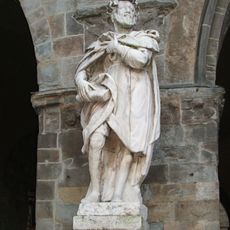
The idea of a permanent Donizetti exhibition arose from the 1897 centenary of his birth, marked in Bergamo by an exhibition at the Palazzo delle Scuole and the unveiling of his monument in Piazza Cavour. In 1902 Giovanna Ginevra Rota Basoni, widow of Giovanmaria Scotti, donated the composer's belongings, including the furnishings of the room where he died, to the Congregation of Charity. The museum opened in September 1906; Guido Zavadini directed it from 1909 and published its catalogue in 1936.
The museum honors one of the greatest Italian composers of the 19th century, whose operas are still performed in theaters around the world. Visitors can see how his family protected his works after his death and eventually shared them with the public.
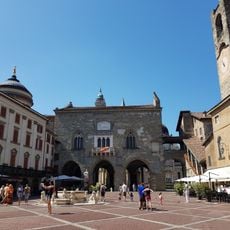
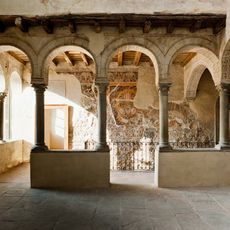
The museum occupies the first floor of the Domus Magna on Via Arena in Bergamo's Città Alta, in the hall that served as the council room of the Congregazione della Misericordia Maggiore. It is part of the Museo delle Storie di Bergamo circuit, so its ticket and access are handled within that network. The route runs in sections from Donizetti's birth to his death.
The museum occupies the former council hall of the Congregazione della Misericordia Maggiore in the Domus Magna on Via Arena, once the seat of the Istituto musicale Gaetano Donizetti. Its first catalogue was compiled by director Guido Zavadini in 1936, and the museum is part of Bergamo's Museo delle Storie network.
The community of curious travelers
AroundUs brings together thousands of curated places, local tips, and hidden gems, enriched daily by 92,897 contributors worldwide.