Museo e villaggio africano, Ethnographic museum in Urgnano, Italy.
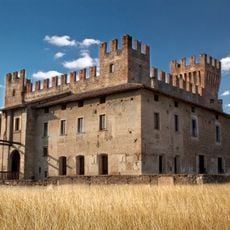
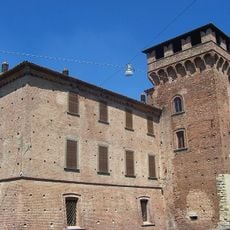
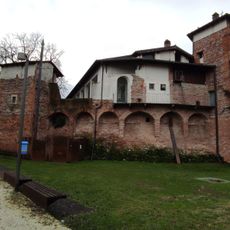
The Museo e villaggio africano occupies a 15th-century building and displays African artifacts, sculptures, and masks across three floors. An outdoor section features traditional housing structures from different African regions, showing how people adapted building methods to their environments.
The museum was founded in 1984 and began with collections gathered by missionaries working in Kenya and Tanzania during the 1960s and 1980s. These materials were later relocated to Urgnano and now form the core of the permanent exhibition.
The collection displays works from West and Central Africa, including wooden sculptures from Dogon and Lobi peoples. These pieces reflect the artistic traditions that communities developed and refined through generations.
The museum building is easily accessible and offers parking areas, cloakroom facilities, and wireless internet for visitors. Allow time to explore both the indoor exhibition spaces and the outdoor area with traditional housing structures.
The open-air village opened in spring 1989, five years after the museum itself, and gathers house types from both West and East Africa. Father Fulgenzio Cortesi wanted visitors to see the environment that gave rise to African art and culture, not only the objects kept indoors.
The community of curious travelers
AroundUs brings together thousands of curated places, local tips, and hidden gems, enriched daily by 93,134 contributors worldwide.