Necropolis of Manduria, Ancient archaeological site in Manduria, Italy.
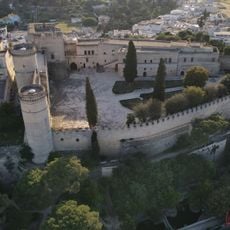
The Parco archeologico delle Mura messapiche covers 150,000 m² northeast of Manduria. It preserves stretches of the triple Messapian wall circuit: the inner ring (5th–4th century BCE) has a perimeter of 2,187 m and a 4 m deep ditch; the outer ring (3rd century BCE), built in opus quadratum, measures 3,382 m in perimeter, 5 m in height and thickness, and is fronted by a ditch 6.5 m wide and 5 m deep.
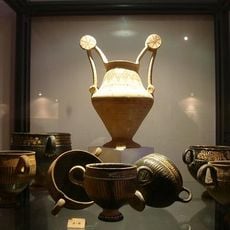
Quintino Quagliati, superintendent of Apulian antiquities, identified the necropolis in 1932. Excavations uncovered about 2,500 tombs dating from the 7th to the 2nd century BCE, mostly rectangular pit graves arranged in groups by social class, some plastered and painted. The walls were built between the 5th and 3rd centuries BCE; after Quintus Fabius Maximus attacked the city, they were never rebuilt.
The Plinian Fountain, described by Pliny the Elder, sits in a natural cave and served as a sacred place for Messapian religious ceremonies. The site reveals how ancient people wove water and nature into their spiritual practices.
The park covers 150,000 m² northeast of Manduria, with dirt paths linking the three wall circuits, the necropolis and the Plinian Fountain. The fountain is reached by descending 20 steps cut into the rock, and the church of San Pietro Mandurino lies within the grounds. Wear sturdy shoes and allow time to walk between the sectors.
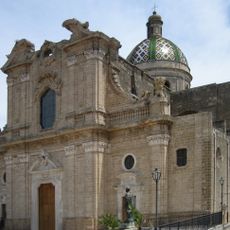
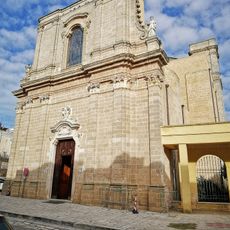
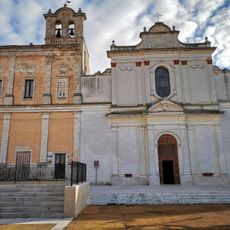
The Church of San Pietro Mandurino sits within the grounds, featuring an underground 8th century crypt decorated with frescoes of hermit saints. This later Christian structure shows how the location was incorporated into religious practices of a different faith.
The community of curious travelers
AroundUs brings together thousands of curated places, local tips, and hidden gems, enriched daily by 94,395 contributors worldwide.