Porticoes of Bologna, Covered walkways in Bologna, Italy
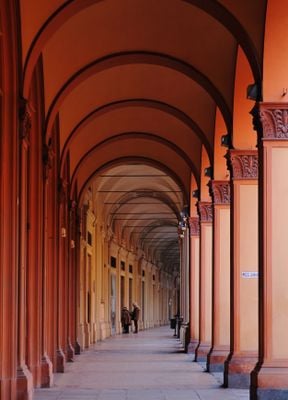
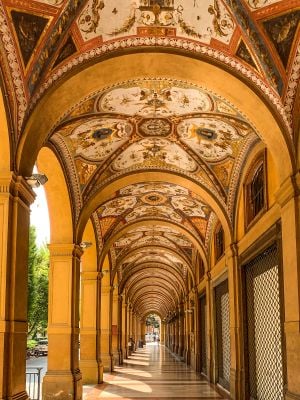
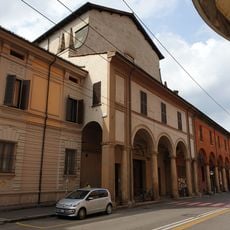
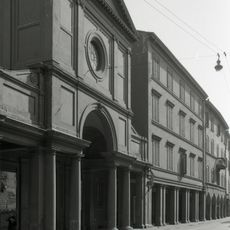
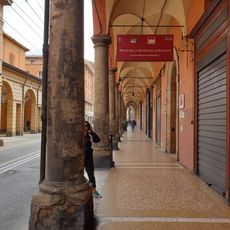
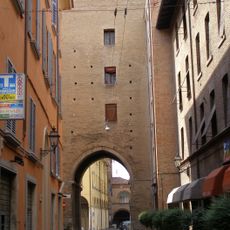
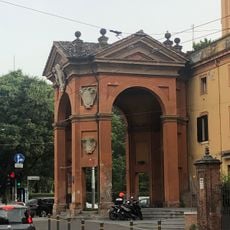
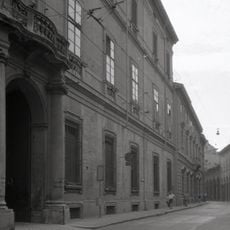
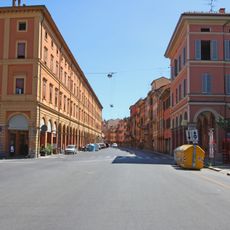
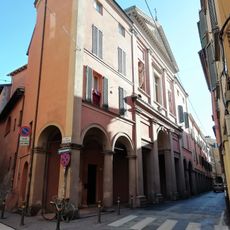
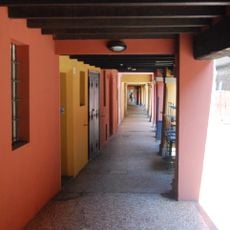
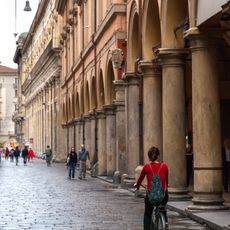
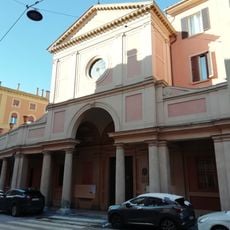
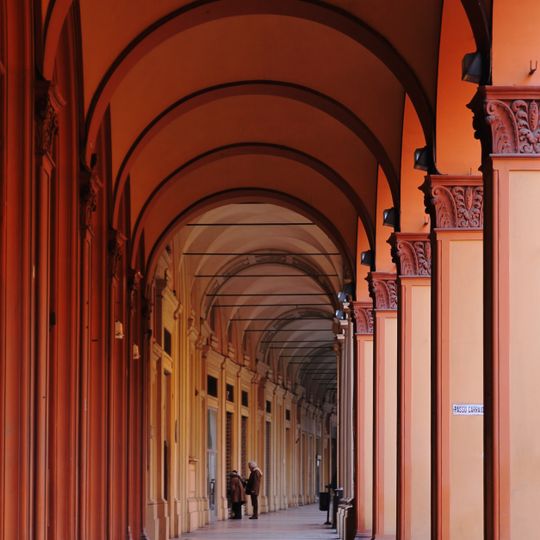
The porticoes of Bologna form an intricate system of covered passages that wind through the historic center, supported by stone columns and arches that vary in style and age. The passages connect streets, squares, and buildings into one unified network, creating continuous protected walkways that define the city's architectural character.
The first portico appeared in 1041 as a private house extension, and by 1288 Bologna enacted a law requiring new buildings to include them. This regulation transformed the structures from individual additions into a planned urban feature that developed over centuries.
The covered passages are woven into the daily rhythm of Bologna, where residents and visitors gather beneath the arches to socialize, shop, and shelter together. This public life under the columns has become so central to the city's character that locals often meet and linger in these spaces as naturally as in any piazza.
The passages are accessible year-round and provide shelter from rain, snow, and intense sun throughout your visit. You can walk long distances through the city without exposure to the elements, making them especially useful during rainy seasons or hot summer days.
The Portico of San Luca stands out for its uniform series of identical arches that extend over a remarkable distance, making it one of the most notable sections of the entire system. This particular passage is often considered the most striking example of the architectural network.
The community of curious travelers
AroundUs brings together thousands of curated places, local tips, and hidden gems, enriched daily by 92,635 contributors worldwide.