Riserva naturale Torbiere del Sebino, Regional nature reserve in Corte Franca, Italy
Riserva naturale Torbiere del Sebino is a regional nature reserve covering the wetland south of Lake Iseo at 185 m above sea level, in the municipalities of Iseo, Provaglio d'Iseo and Corte Franca. It consists of reed beds, wet meadows and open water, and is the largest wetland in the province of Brescia. The Cluniac monastery of San Pietro in Lamosa stands at its edge in Provaglio d'Iseo.
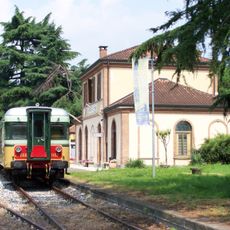
Peat formed over millennia from marsh vegetation, and from the late 1700s dried peat was dug as fuel for the silk mills of Iseo and for homes. In 1862 the Turin consortium Società Italiana Torbe bought most of the bog, and peat also fed Brescia-Iseo-Edolo trains until World War I. Extraction was abandoned around 1950, when clay was dug for bricks until the 1970s, when environmental protection began.
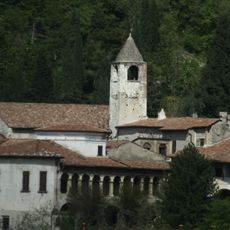
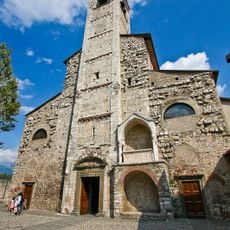
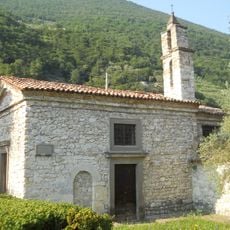
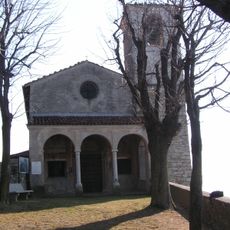
The Cluniac monastery of San Pietro in Lamosa stands in Provaglio d'Iseo, on the rise beside the reserve's southern edge. Its Romanesque church and monastic buildings overlook the reed beds that the monks once drained and worked. The complex is the main historic landmark visitors see from the paths around the wetland.
The reserve lies at 185 m above sea level south of Lake Iseo, split among Iseo, Provaglio d'Iseo and Corte Franca, and is managed by a consortium of the province, the Sebino mountain community and those municipalities. Paths and birdwatching points are reached from the built-up edges of these three towns; the Polish note about dawn visits conflicts with the daylight advice given elsewhere. Bring footwear for wet ground after rain.
The site holds international recognition under the Ramsar Convention for its importance as a wetland habitat. This status reflects its role as a crucial stopover and permanent home for migratory birds traveling across continents.
The community of curious travelers
AroundUs brings together thousands of curated places, local tips, and hidden gems, enriched daily by 92,938 contributors worldwide.