Riserva naturale dell'Orrido di Foresto, Regional nature reserve in Val di Susa, Italy
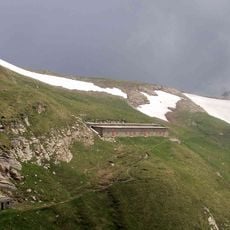
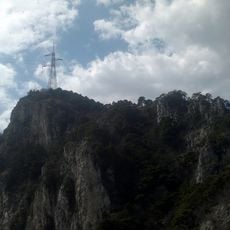
The Riserva naturale dell'Orrido di Foresto covers about 180 hectares on the south-facing slope of the Val di Susa, between 450 and 950 m, in the municipalities of Bussoleno and Susa. The Rocciamelone stream has cut a gorge with overhanging walls into the limestone just above the valley floor; the gorge is closed to the east by the rock mass of Truc San Martino (872 m). Around the gorge lie limestone cliffs and dry low-altitude pastures.
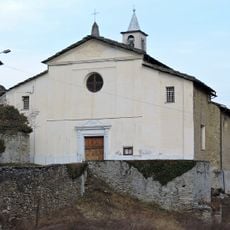
The area was frequented since prehistory, as finds in the rock shelters upstream of the gorge show. A fragment of a marble frieze, perhaps from a temple, and some inscriptions date to the Roman period and were found during excavations of the old church of Foresto. In more recent centuries the area was known for its marble quarries, used in many buildings in Turin, and for its wines. Inside the gorge, buildings of a lazzaretto remain, used until the 18th century to isolate people with contagious diseases such as cholera.
Limestone cliffs have been quarried since ancient times, and the slopes once supported vineyards and livestock grazing. This long history of land use has shaped the landscape you see today and shows how people have worked with this terrain for centuries.
The area is crossed by a good network of marked hiking trails suited to different skill levels. The sunny exposure and limestone ground make visits comfortable even during colder months.
The prickly juniper here, Juniperus oxycedrus subsp. macrocarpa, reached Foresto 5,000 to 7,000 years ago when a warmer climate pushed Mediterranean vegetation up the Alps; later cooling trapped it in this dry, frost-poor pocket. Several dozen shrubs cluster in the limestone basin north of the hamlet of Crotte.
The community of curious travelers
AroundUs brings together thousands of curated places, local tips, and hidden gems, enriched daily by 94,130 contributors worldwide.