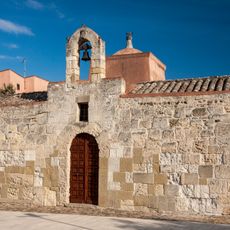
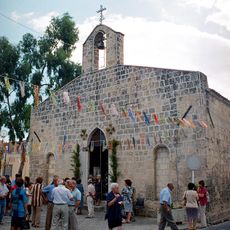
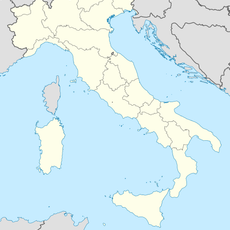
Hypogeum of Sant'Iroxi, Archaeological burial site in Decimoputzu, Italy.
The Hypogeum of Sant'Iroxi is a domus de janas, a rock-cut tomb carved into sandstone, consisting of a corridor and two cells. Excavations revealed the remains of more than 200 individuals in 13 chronological strata, along with a military kit of 19 arsenical copper swords and daggers dated to c. 1650–1600 BC.
The burial site originated around 3000 BC during the Neolithic period and remained in use for over a thousand years until abandonment around 1600 BC. Its layers document shifts in burial customs and cultural contact across early Mediterranean societies.
The burial practice here reveals a society that placed the dead in underground chambers with weapons and personal objects, suggesting beliefs about the afterlife and social divisions among those interred.
The site itself is not open to visitors, but the recovered artifacts are displayed at the National Archaeological Museum in Cagliari. Plan ahead to check museum hours, as exhibitions may change seasonally or be rearranged.
The underground chambers contain 13 distinct layers of burials, each marking a separate period of use across more than a millennium. The metalwork recovered suggests this community maintained contact with distant Mediterranean cultures.
The community of curious travelers
AroundUs brings together thousands of curated places, local tips, and hidden gems, enriched daily by 94,407 contributors worldwide.