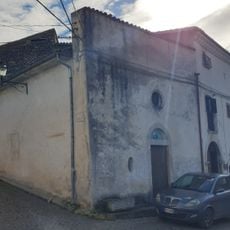
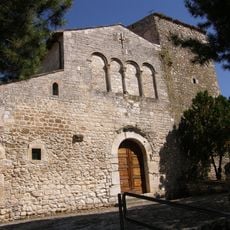
Valle Subequana, Mountain valley in Province of L'Aquila, Italy
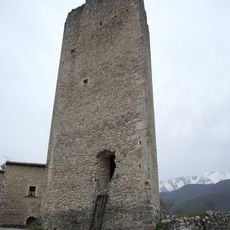
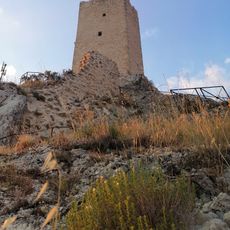
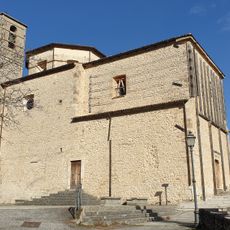
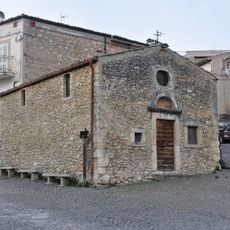
Valle Subequana is a mountain valley in the Province of L'Aquila that sits at an average elevation of 600 meters (1,970 feet) between the Sirente mountain range and the Aterno river. The area lies within the Sirente-Velino Regional Nature Park and contains six municipalities connected by rural landscapes and sloping terrain.
The valley has been inhabited since the Upper Paleolithic period, as shown by archaeological finds now displayed in the National Museum of Abruzzo in L'Aquila. Later, during Roman times, an important municipal settlement called Superaequum stood in this territory.
The name derives from the Latin Ruris super æquor, "lands beyond the plain", from Pliny the Elder; archaeologist Antonio De Nino instead linked it to the Equi people. The valley lay in Peligni territory, and Ovid, a native of Sulmo, described the Peligni land as divided into three parts. Transhumance shaped settlement here, as studied at the Le Castagne necropolis near Forca Caruso.
The area is reachable via the SS5 Via Tiburtina Valeria highway, which connects Rome to Pescara and passes through the valley as a main route. Exploring this broad valley with its scattered municipalities requires time and personal transportation.
Superaequum's exact site has been debated since the 16th century: it is conventionally placed on the slopes below Castelvecchio Subequo, but some scholars argue for the territory of Secinaro. The name itself comes from the Latin Ruris super æquor, "lands beyond the plain", while archaeologist Antonio De Nino read it as "lands beyond the Equi".
The community of curious travelers
AroundUs brings together thousands of curated places, local tips, and hidden gems, enriched daily by 92,849 contributors worldwide.