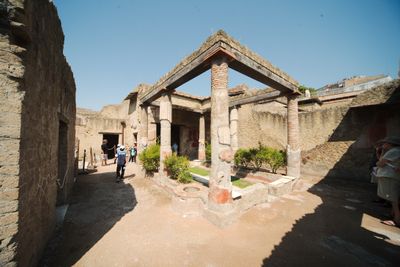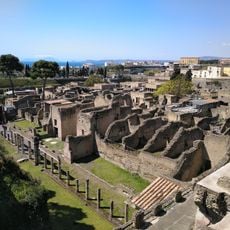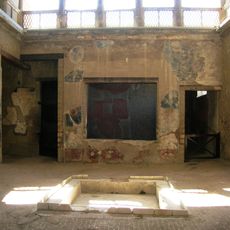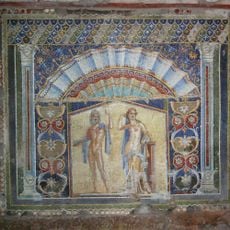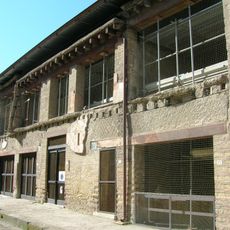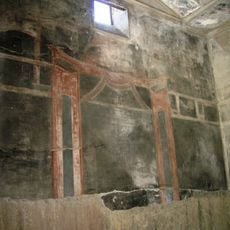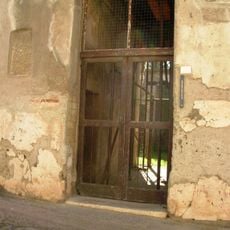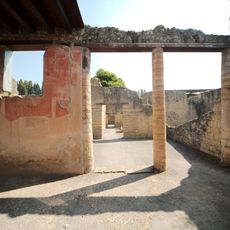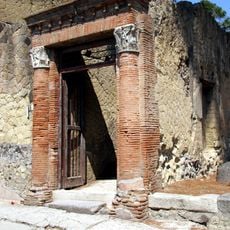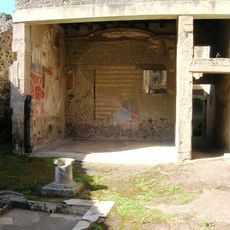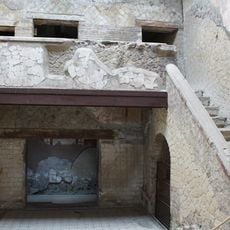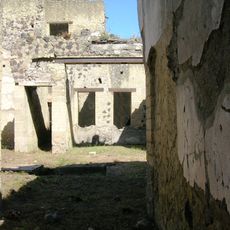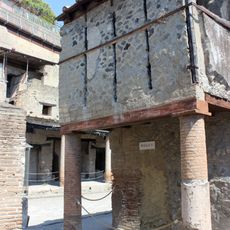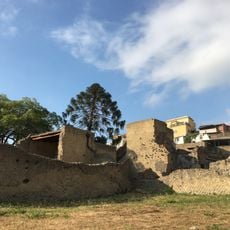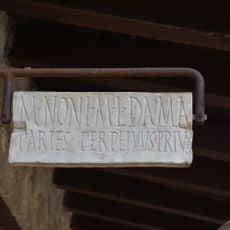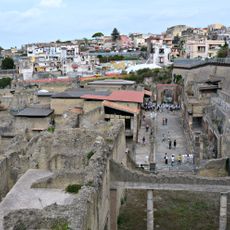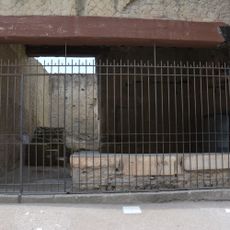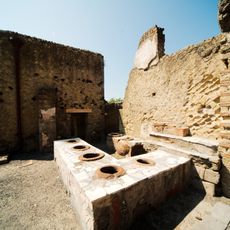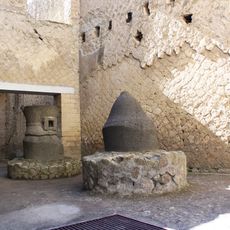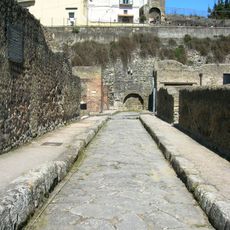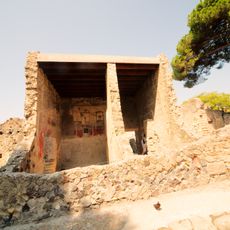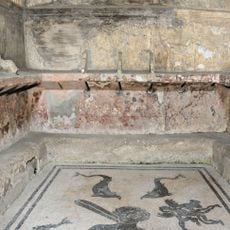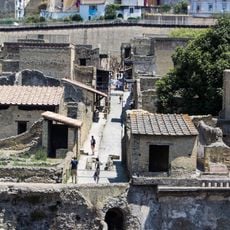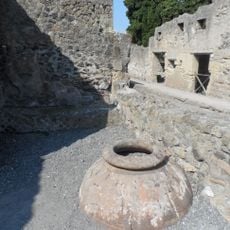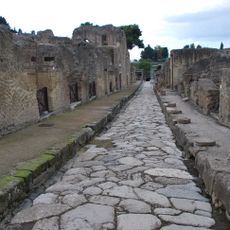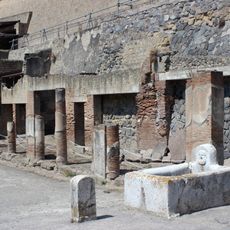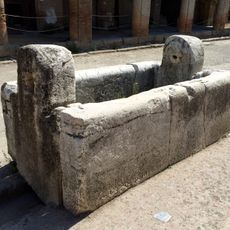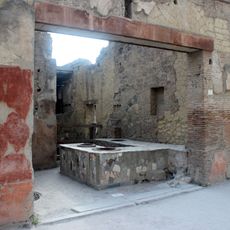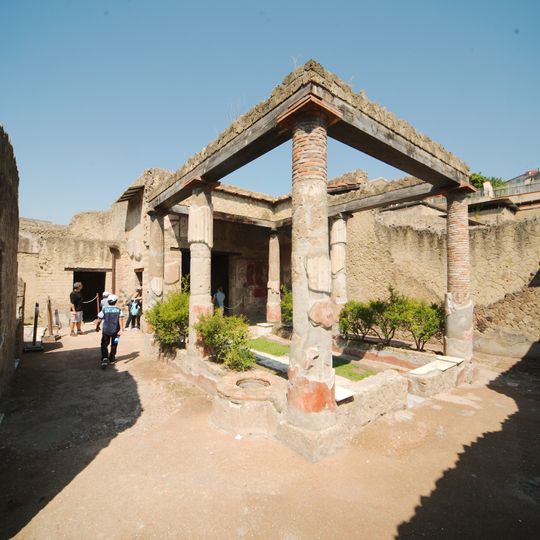
House of the Corinthian atrium, Ancient Roman domus in Ercolano, Italy.
The House of the Corinthian Atrium is a Roman residence in Ercolano featuring a central courtyard with a large opening in its ceiling. Below this opening sits a basin that collected rainwater and directed it into underground storage tanks.
This residence was buried under volcanic material when Mount Vesuvius erupted in 79 CE, preserving it in remarkable condition. The eruption affected the entire ancient town of Herculaneum, trapping structures and artifacts in ash and pumice.
The atrium functioned as the heart of the home where family members and visitors gathered for social occasions and ceremonies. Walking through this central space today, you can sense how the household's daily life revolved around this opening.
Access to this site is only through the archaeological park, so wear suitable footwear and stay on marked pathways. Underground chambers can be dimly lit and floors uneven, so take your time moving through the rooms and watch your step.
Excavations here uncovered everyday household items that reveal how inhabitants and servants actually used the rooms in their daily routines. These personal objects offer a direct window into the real lives of the people who lived here.
The community of curious travelers
AroundUs brings together thousands of curated places, local tips, and hidden gems, enriched daily by 92,137 contributors worldwide.