Temple of Isis, Roman temple in Campus Martius, Italy
The Temple of Isis was a Roman sanctuary in the Campus Martius area that combined Egyptian and Mediterranean architectural styles. The complex included several structures, with the Serapeum positioned across an open plaza, featuring red granite obelisks, columns with lotus-shaped capitals, and reliefs displaying Egyptian imagery.
The Senate authorized construction of the temple in 43 BCE during the Second Triumvirate era, though worship of Egyptian deities faced initial restrictions. Only under Emperor Caligula did the cult gain official approval and the temple become a major religious center.
The temple served as a gathering place where Romans could worship Egyptian deities, and visitors saw statues and reliefs depicting Egyptian priests and the goddess herself. This blend of Roman and Egyptian elements showed how the city absorbed foreign religions into its own spiritual life.
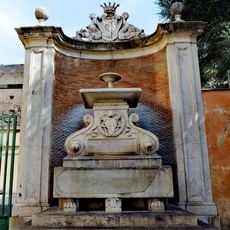
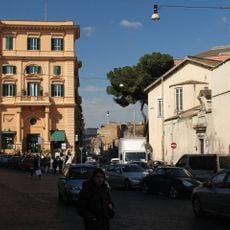
The temple was located in the heart of the ancient city and accessible to different visitors as part of a populated area. Today its remains are scattered throughout Rome, with archaeological finds visible in various museums and locations across the city center.
Many of the most important finds, including granite columns and reliefs showing Egyptian priests, were relocated to various sites across Rome after rediscovery. These scattered remains still tell the story of this unique place where Roman and Egyptian worlds met.
The community of curious travelers
AroundUs brings together thousands of curated places, local tips, and hidden gems, enriched daily by 60,000 contributors worldwide.