Palazzo Capodilista, Medieval palace in Padua, Italy
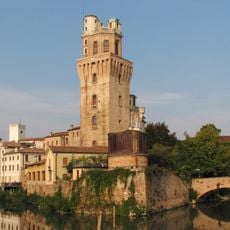
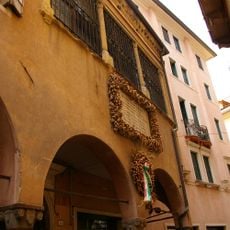
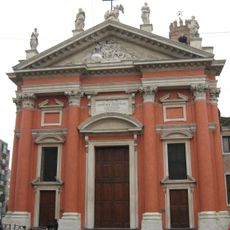
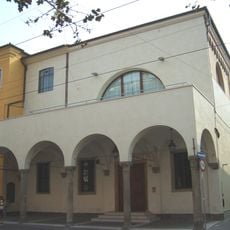
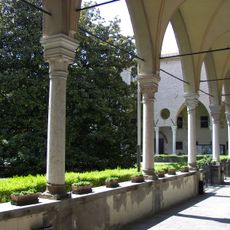
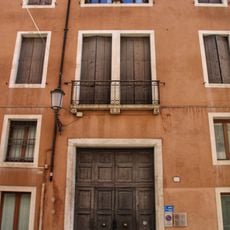
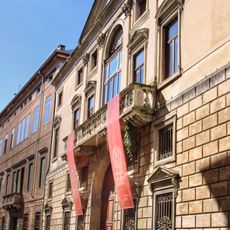
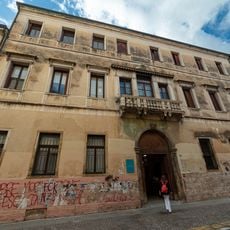
Palazzo Capodilista is a palace in Padua featuring six tall porticoes in local style, supported by substantial stone pillars and constructed with brick walls. The structure is crowned by a defensive tower that rises prominently above the rest of the building.
The palace was built in the early 13th century around a defensive tower from the 11th–12th centuries. Rolandino's Cronica VIII, 13 mentions a private fortified house (castellata domo lapidea) near the Porta delle Torricelle. The Capodilista family, later Emo Capodilista from 1785, owned it until the early 2000s.
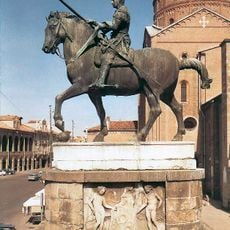
The family name comes from an ancestor nicknamed Capodilista, "head of the list" of a faction, as recorded in the Capodilista Codex written by Giovan Francesco Capodilista at Basel in 1434-1435. Annibale Capodilista commissioned a large headless wooden horse for tournaments held in Padua in 1466; kept in the palace for centuries, it was later given to the city, fitted with a head modelled on Gattamelata's mount and displayed in the Salone of the Palazzo della Ragione.
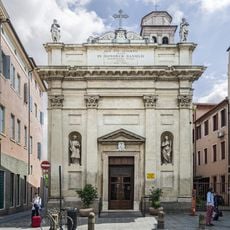
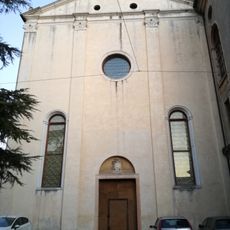
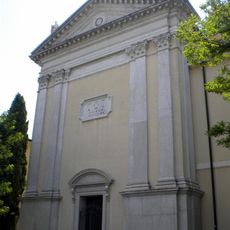
The palace is a private residence, not part of the Eremitani Civic Museums; only some works from the Emo Capodilista collection are shown there. It stands in via Umberto I, facing the church of San Daniele near Prato della Valle and the old Porta delle Torricelle. Look for the Guelph battlements added by Domenico Rupolo and the 1998 restoration by Loris Fontana.
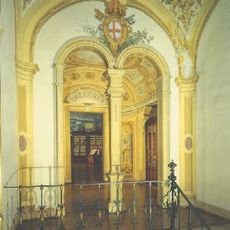
The vaulted ceilings of the porticoes display Gothic star patterns combined with pointed arch windows in the brick walls. These details show the decorative artistry applied to medieval architecture in Padua.
The community of curious travelers
AroundUs brings together thousands of curated places, local tips, and hidden gems, enriched daily by 94,410 contributors worldwide.