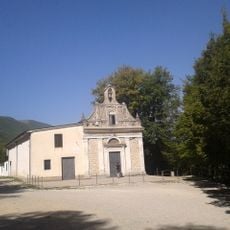
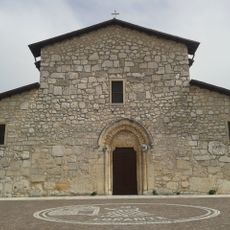
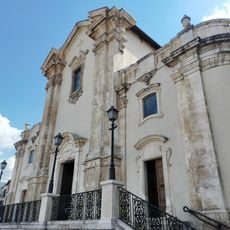
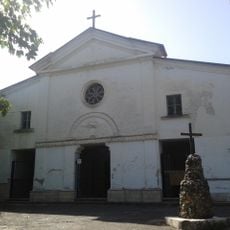
Basilica of Saints Cesidius and Rufinus, Minor basilica in Trasacco, L'Aquila province, Italy
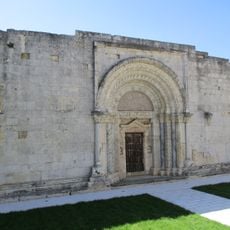
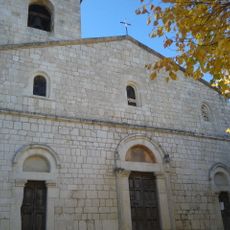
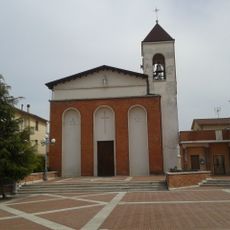
The Basilica of Saints Cesidius and Rufinus in Trasacco is a stone church building with characteristic features of Italian religious architecture. Inside, multiple altars and religious artworks reflect the long commitment of this site to worship and devotion.
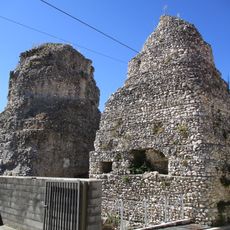
Tradition holds that Bishop Rufinus began the church around 237 on the remains of Emperor Claudius's palace, entrusting it to his son Cesidius, later martyred with Placidus and Eutychius. The original church was destroyed in a Hungarian raid in 936 and soon rebuilt. The present 13th-century building was mentioned in 12th-century papal bulls of Paschal II and Clement III, and in 1618 Abbot Cicero De Blasis added a fourth nave.
The basilica has two separate entrance doors, known as the men's door and the women's door, a feature that still marks how worshippers enter. The chapel of the saints of Trasacco keeps their relics, including the silver reliquary called the arm of Saint Cesidius, displayed for veneration.
The basilica stands in the centre of Trasacco, in the province of L'Aquila and the diocese of Avezzano. Two separate entrance doors, the "door of the men" and the "door of the women", lead inside; the men's portal of the 14th century, with twisted columns, two griffins and floral marble decoration, is on the left side next to the Oratory of the Conception. The relics in the chapel of the saints of Trasacco are kept visibly and can be seen during a visit.
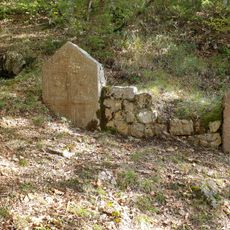
In the silver reliquary is kept the so-called "arm of Saint Cesidius"; all the relics are displayed visibly. In the oratory are the remains of the funerary monuments of the Titecii, the gens Titecia that led the administration of Supinum in imperial times: slabs decorated with friezes of weapons and military insignia.
The community of curious travelers
AroundUs brings together thousands of curated places, local tips, and hidden gems, enriched daily by 93,359 contributors worldwide.