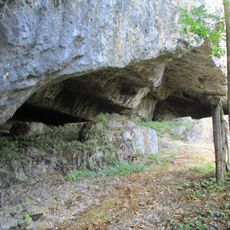
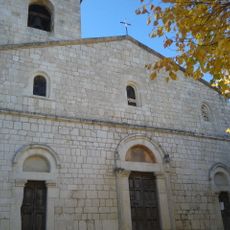
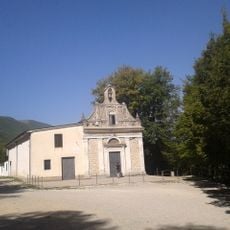
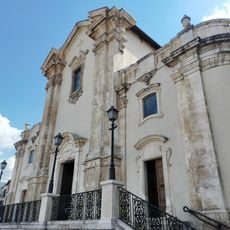
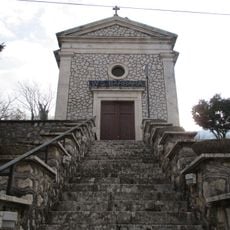
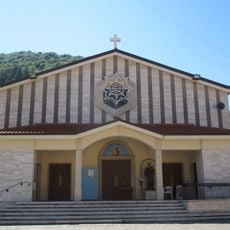
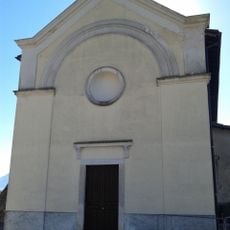
Lucus Angitiae, Archaeological site in Luco dei Marsi, Italy.
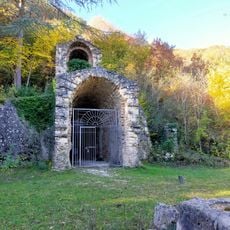
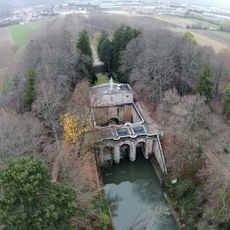
Lucus Angitiae is an archaeological site in Luco dei Marsi containing the remains of an ancient sanctuary dedicated to the goddess Angitia. The complex features temple ruins, polygonal stone walls, and multiple gates reflecting construction from various periods.
Archaeology traces the site to the Bronze Age; during the Iron Age a fortified area of over 14 hectares grew up, enclosed by polygonal walls with two gates. In the Samnite wars the acropolis on Mount Penna was joined to the sanctuary city below, whose walls covered about 30 hectares and had five gates. The sanctuary dates to the 3rd century BC and served as a municipium into the early Middle Ages.
The Marsi, who lived around Lake Fucino, were known as preparers of antidotes against snake venom and as connoisseurs of the herbs of the surrounding mountains; the legendary Umbro, killed by Aeneas in the Aeneid, belongs to this tradition. The sanctuary's name is tied to the Latin lucus, a clearing in the woods, and to the Marsic Anctia, which also named the Anxantini tribe.
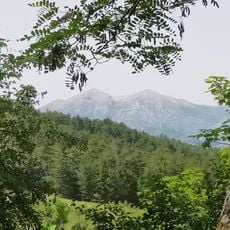
The sanctuary reopened to visitors in 2014 after safety works, and since 1998 the area has been protected within the San Leonardo nature park. The excavated temples, the terracing wall and the Iron Age gates lie below the acropolis of Monte Penna, so expect uneven ground and walking between separate areas.
Excavations uncovered remarkable statues including a terracotta figure of the goddess and marble sculptures created in Rhodian workshops. These artworks from the 2nd century BC demonstrate how this site maintained connections to distant centers of the ancient world.
The community of curious travelers
AroundUs brings together thousands of curated places, local tips, and hidden gems, enriched daily by 92,781 contributors worldwide.