Tunnels of Claudius, Hydraulic archaeological site in Capistrello, Italy
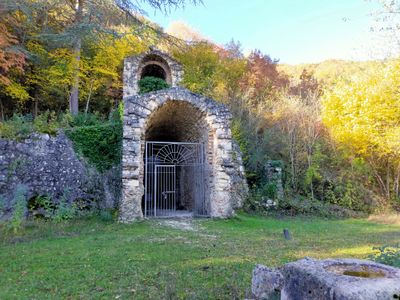
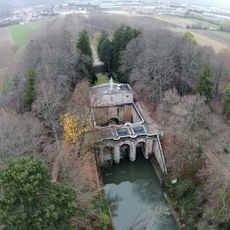
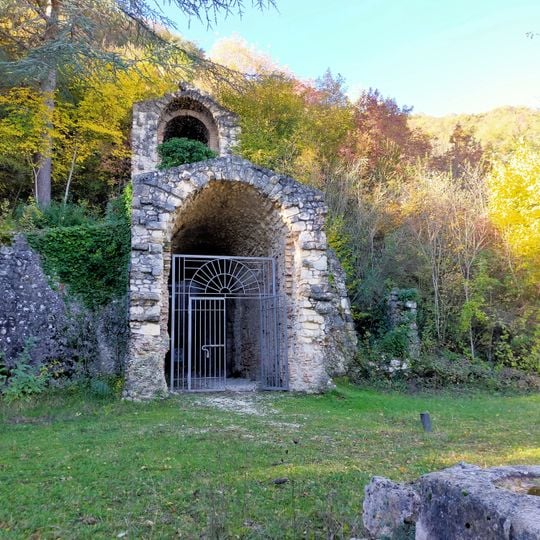
The Tunnels of Claudius are an underground water system near Avezzano made up of several parallel passages and vertical shafts running through solid rock. The installation was designed to move water from a lake to a river, and many sections remain accessible to visitors today.
Julius Caesar planned to drain the Fucine Lake but was killed before starting. Claudius resumed the project in 41 AD, and 30,000 workmen and slaves completed the 6 km tunnel by 52 AD. It was the longest tunnel ever built until the Fréjus Rail Tunnel opened in 1871. After the fall of Rome, lack of maintenance clogged the tunnel and the lake returned to its original level.
The tunnels reveal how Romans solved one of their biggest engineering challenges using only basic tools and human effort. Walking through them, you notice the marks left by ancient workers who carved these passages without any machinery.
The site lies near Avezzano and Capistrello, with the main tunnel running under Mount Salviano from the Incile del Fucino to the Liri River. The park opened in 1977 to protect the system; access to the underground passages is by guided tour, so check times before setting out. Wear sturdy shoes and warm clothing, as the tunnels are cool and the ground uneven.
The 6 km tunnel was the longest ever built until the Fréjus Rail Tunnel opened in 1871. To speed up the work, at least 40 vertical shafts were sunk, 29 on the west side of Monte Salviano and 11 on the east, ranging from 19 m to 122 m deep; their depth was set by a surveying method called cultellatio.
The community of curious travelers
AroundUs brings together thousands of curated places, local tips, and hidden gems, enriched daily by 93,388 contributors worldwide.