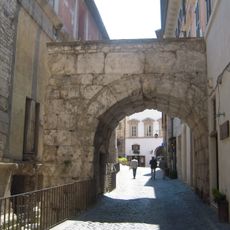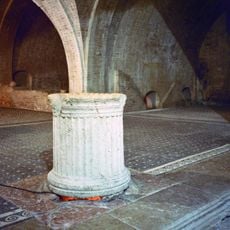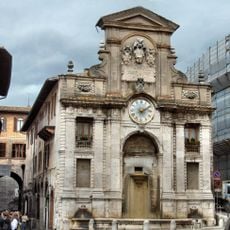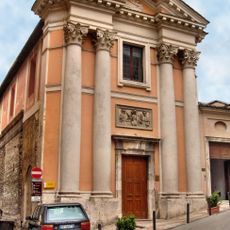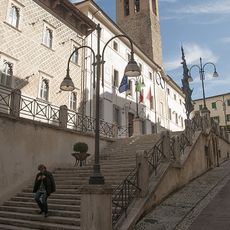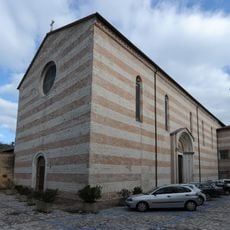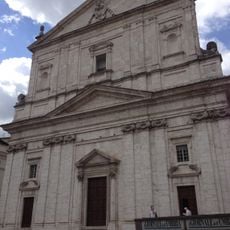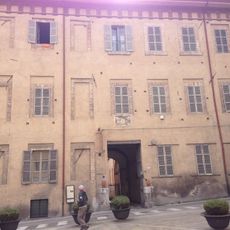
Sant'Agata, Archaeological museum in Spoleto, Italy
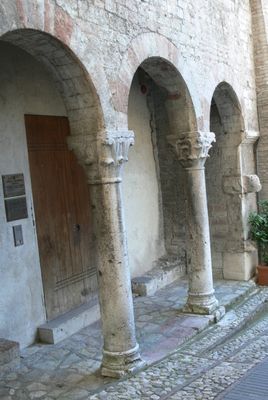
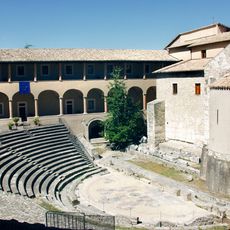
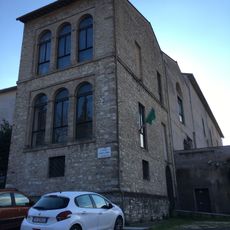
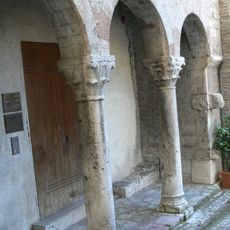
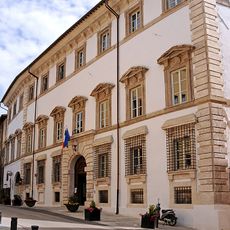
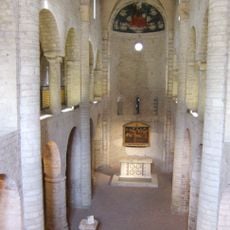
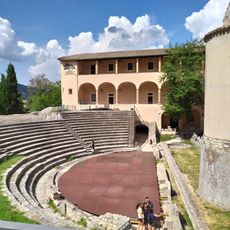
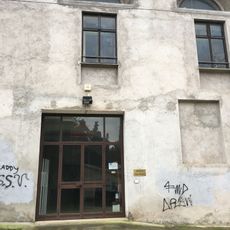
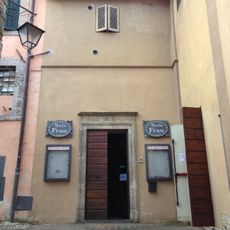
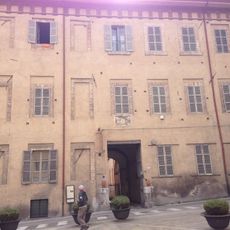
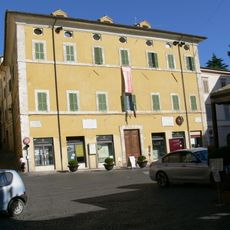
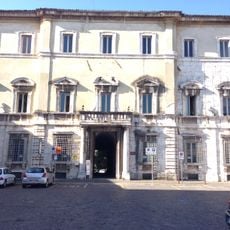
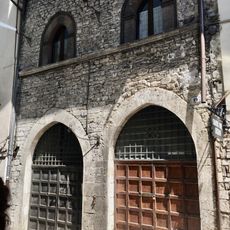
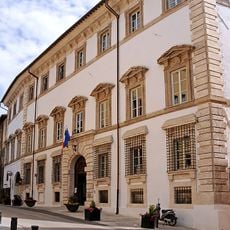
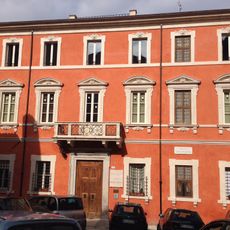
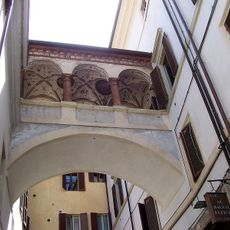
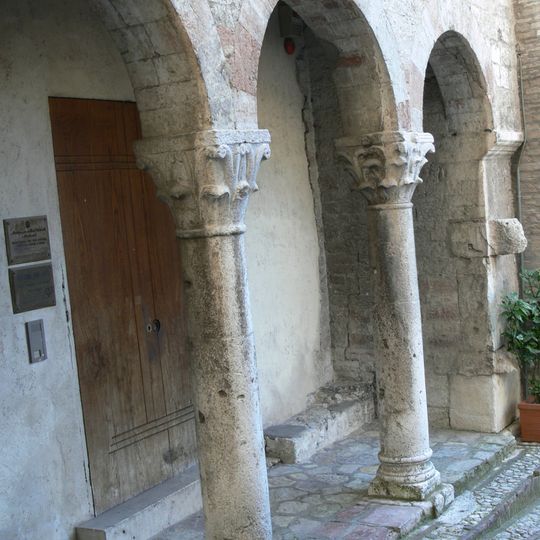
Sant'Agata is an archaeological museum in Spoleto housed in a former monastery building dating to the late 14th century, positioned above the remains of a Roman theater. The collection displays artifacts spanning from the Bronze Age through the pre-Roman period, documenting the settlement's development.
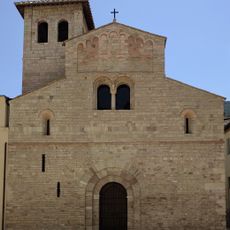
The monastery became home to a Benedictine community beginning in 1395, connecting the Corvis family residences with the parish church of Sant'Agata that was built upon the ancient theater stage. This link between religious purpose and ancient site shaped the building's development.
The collection reflects how local communities used this area across different periods, with finds showing the city's growth from ancient times through its pre-Roman phase as an Umbrian settlement. Walking through the rooms gives a sense of daily life and the settlement's importance over centuries.
The museum is located on Via Sant'Agata and opens Wednesday through Sunday with guided tours available upon request. The building spans multiple levels connected by stairs, so visitors should be prepared for climbing between exhibition areas.
The collection includes limestone blocks bearing the Lex Spoletina inscription, an archaic Latin text that records rules for cutting wood in Jupiter's sacred forest in the pre-Roman era. This find is rare evidence of written laws from that period.
The community of curious travelers
AroundUs brings together thousands of curated places, local tips, and hidden gems, enriched daily by 91,474 contributors worldwide.