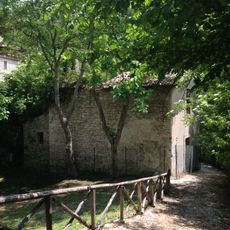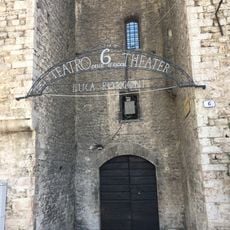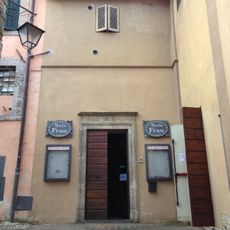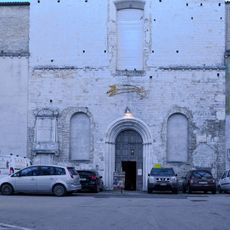
Casa Romana di Vespasia Polla, Roman archaeological site in Spoleto, Italy.
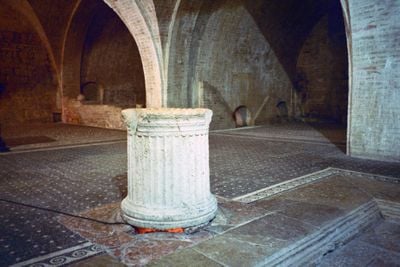
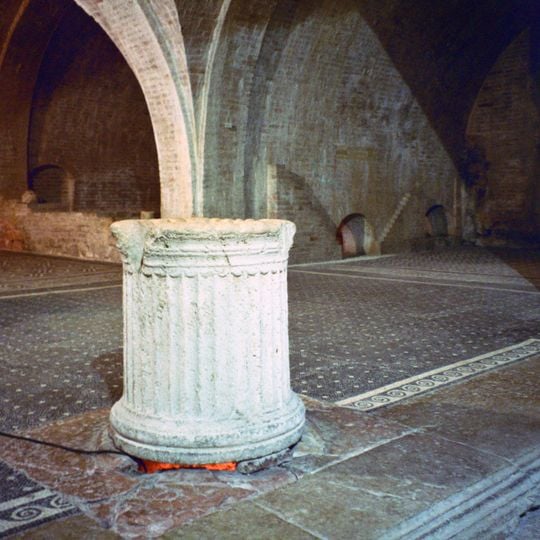
Casa Romana di Vespasia Polla is a first-century Roman residence featuring the traditional atrium layout with black and white mosaic floors throughout its rooms. The central water basin called the impluvium gathered rainwater and demonstrates the thoughtful engineering of the home's design.
The residence was discovered in 1885 by archaeologist Giuseppe Sordini and is believed to have belonged to the mother of Roman Emperor Vespasian. This finding revealed the direct connection between this household and Rome's imperial power.
The residence reflects the lifestyle of wealthy Roman families through its decorated floors and lead plumbing, showing the technical knowledge and comfort available to the upper classes. The room arrangement reveals how members of a patrician household moved through their daily routines.
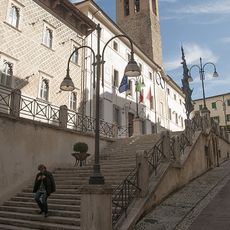
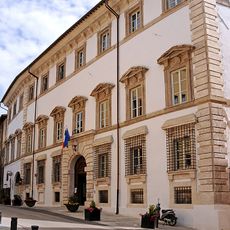
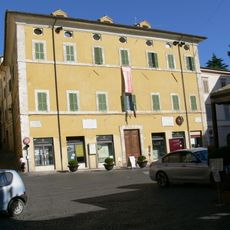
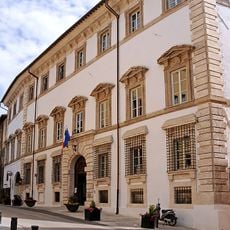
The site sits beneath the Palazzo Comunale in central Spoleto and is easy to find and access. Being located underground, the space stays cool, so bringing a light jacket makes sense even on warm days.
Excavations uncovered an inscription dedicated to Emperor Caligula by someone named Polla, suggesting closer ties to the imperial family than the house's name alone would imply. This personal dedication hints at family connections that extended throughout Rome's political circles.
The community of curious travelers
AroundUs brings together thousands of curated places, local tips, and hidden gems, enriched daily by 91,507 contributors worldwide.