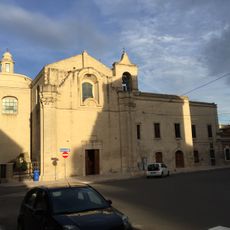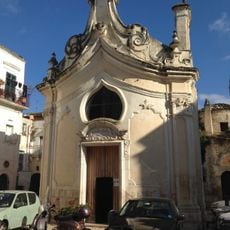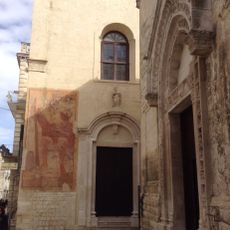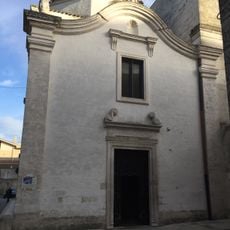
National Archaeological Museum of Altamura, Italian museum
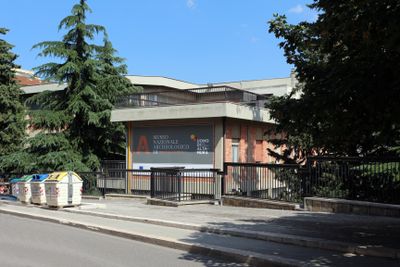
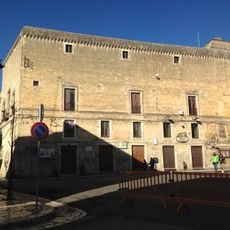
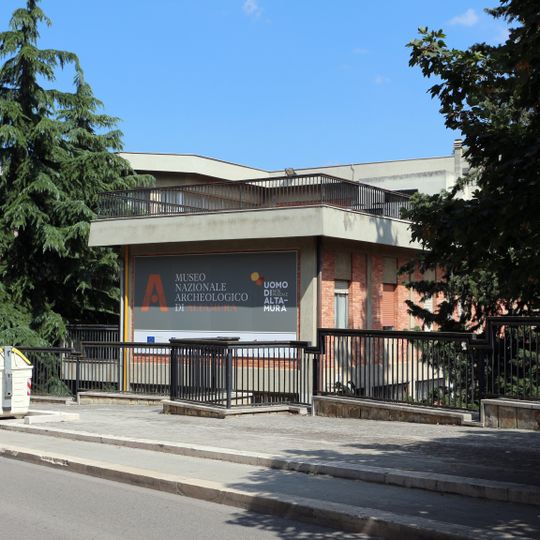
The National Archaeological Museum of Altamura stands near the historic centre in the La Croce area, an archaeological zone with finds from the Early Bronze Age to the advanced Hellenistic period. Its four sections—prehistoric, archaic, classical-Hellenistic and medieval—follow the itinerary "Il popolamento antico dell'alta murgia", opened in 1997 and covering the Lower Palaeolithic to the early Middle Ages.
The museum documents human settlement in the region spanning tens of thousands of years, with emphasis on finds from nearby prehistoric caves that rank among Europe's oldest known human remains. The collection has grown through ongoing local archaeological excavations that continue to reveal new information about early human societies.
The museum name reflects its role as a keeper of the region's ancient past, showing how early communities shaped daily life through their tools and crafts. Visitors can see pottery and ornaments that reveal the artistic skills and practical needs of people who once lived in this area.
The museum stands just outside Altamura's historic centre in the La Croce area, an archaeological zone with finds from the Early Bronze Age to the late Hellenistic period. The visit follows a single route titled "Il popolamento antico dell'alta murgia", divided into four sections: prehistoric, archaic, classical-Hellenistic and medieval. Allow time for all four in sequence.
The museum opened its permanent route "Il popolamento antico dell'alta murgia" in 1997, covering the Lower Palaeolithic to the early Middle Ages. It is housed in the La Croce area beside Altamura's historic centre, an archaeological zone with finds from the Early Bronze Age to the advanced Hellenistic period.
The community of curious travelers
AroundUs brings together thousands of curated places, local tips, and hidden gems, enriched daily by 94,669 contributors worldwide.