National museum of sea archaeology, Archaeological museum in Caorle, Italy
The National Museum of Sea Archaeology in Caorle showcases objects recovered from sunken ships in the Adriatic Sea, including ship remains, navigation tools, and everyday items found underwater. The collection reveals how people in this region were connected to maritime activities across different periods.
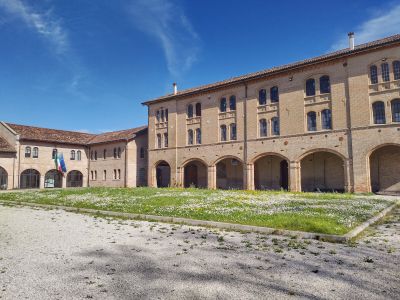
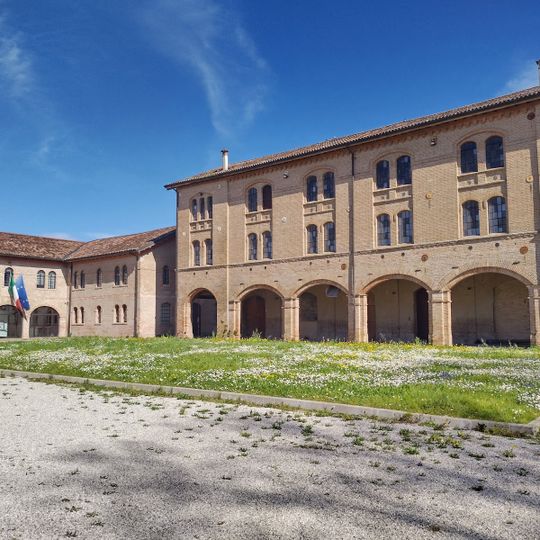
Four divers from Pordenone found the Roman wreck "Caorle 1", a ship of the 2nd century BC, off Caorle in 1992; the brig Mercurio, sunk at the Battle of Grado on 22 February 1812, was located in 1995. These finds led to a national museum, inaugurated on 8 August 2014 in the former Chiggiato farm buildings at Sansonessa, built at the start of the 20th century for Cavalier Ugo Trevisanato.
The ground floor tells the story of the brick Mercurio, a two-masted warship built in the Napoleonic era and handed by the French to the Italian fleet. Its crew list, kept in the State Archive of Venice, names commander Giovanni Palicucchia and records a woman aboard, the wife of the ship's only keeper. Two Venetian caulkers, Francesco Martinelli and Lodovico Garbisa, worked the hull.
The museum occupies the early-20th-century rural court of the former Chiggiato estate at Sansonessa, just outside Caorle's centre; the same complex houses the tourist promotion agency and the municipal police. The ground floor holds temporary exhibitions and the Mercurio section, while the permanent TerredAcque display is on the first floor. A tensile structure in the courtyard shelters a trabaccolo, a traditional Adriatic sailing boat.
Most of the objects displayed here come from underwater excavations where archaeologists systematically searched the seafloor. These diving operations have revealed much about the trade routes and ships that once traveled these waters.
The community of curious travelers
AroundUs brings together thousands of curated places, local tips, and hidden gems, enriched daily by 93,753 contributors worldwide.